










 %service-partner-advantages-list%
Tyre Wear, Microplastics, and the Future of Sustainable Tyre Technology
09/03/26
Date: March 16, 2025 | Author: Eiretyres Editorial Team | Reading time: 7 minutes
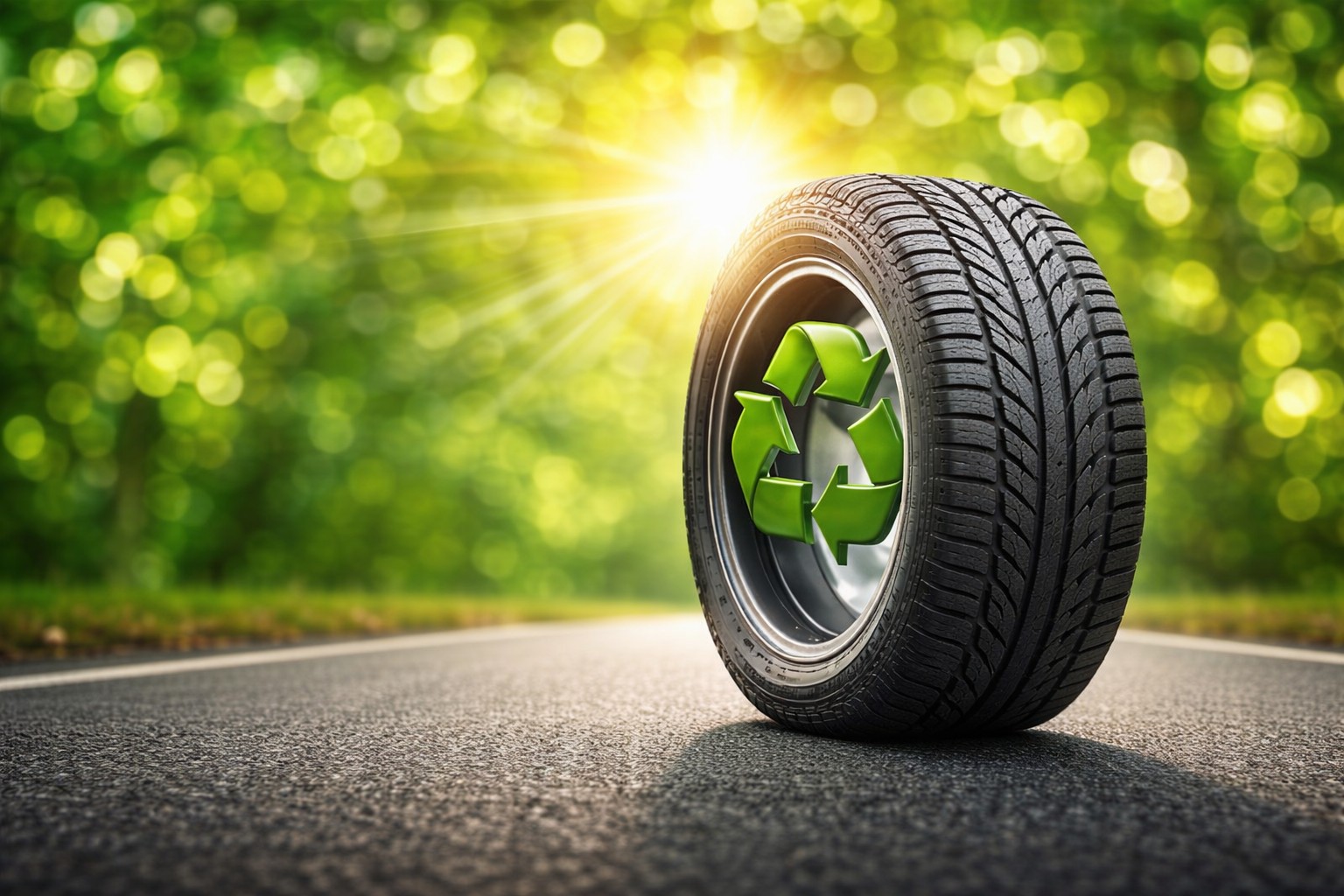
When drivers think about tyre performance, they usually focus on grip, durability, or comfort. But there’s another factor gaining attention worldwide: environmental impact. Every time a vehicle moves, tiny particles from the tyre surface wear away and disperse into the air, soil, and water. These particles are known as tyre wear particles, and they are increasingly studied as a form of microplastic pollution.
Understanding how tyres interact with the environment is becoming an important topic for manufacturers, regulators, and drivers alike. As technology evolves, the tyre industry is developing innovative materials and designs to reduce environmental impact while maintaining the safety and performance drivers expect. In this article, we explore the connection between tyre wear, microplastics, and the future of sustainable tyre technology.
What Are Tyre Wear Particles?
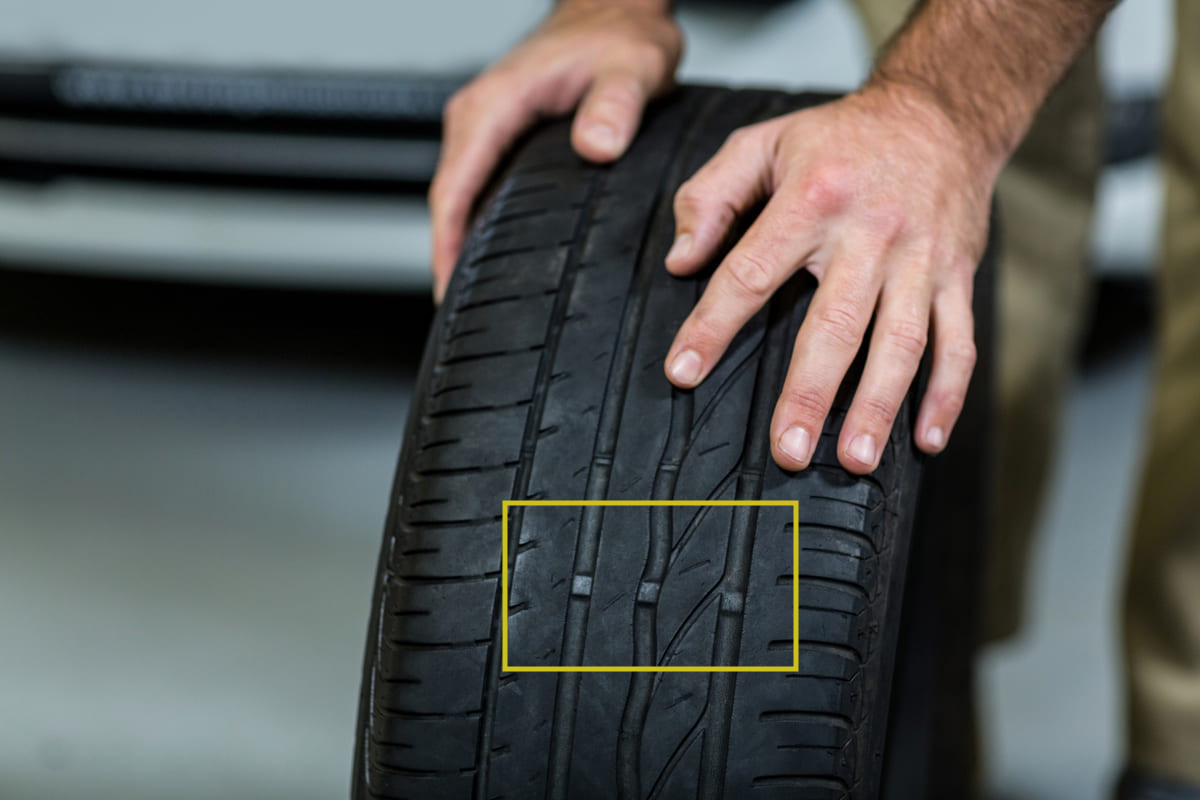
Tyre wear occurs naturally whenever a tyre makes contact with the road. Friction between the tyre and the asphalt gradually removes tiny fragments of rubber. These particles, often invisible to the naked eye, are released during braking, acceleration, and cornering.
Most tyres are made from a complex combination of materials, including:
- Natural rubber
- Synthetic rubber
- Silica and carbon black
- Steel and textile reinforcements
- Special additives that improve grip and durability
When tyres wear down, microscopic fragments from these materials can enter the environment. Scientists refer to them as tyre and road wear particles (TRWP). Because they contain synthetic materials, they are often classified as a form of microplastic pollution.
Why Microplastics From Tyres Matter
Microplastics have become a major environmental concern in recent years. While plastic packaging and textiles receive a lot of attention, tyre wear is now recognised as one of the largest contributors of microplastics in the environment.
These particles can spread through several pathways:
- Airborne dust generated by traffic
- Runoff water carrying particles into rivers and oceans
- Soil contamination near roads and highways
Although tyres are designed for durability and safety, their constant interaction with road surfaces means that some level of wear is unavoidable. The key challenge for the tyre industry is therefore not eliminating wear entirely, but reducing its environmental impact.
How Tyre Technology Is Becoming More Sustainable
Tyre manufacturers around the world are investing heavily in research and development to create more sustainable products. The goal is to reduce tyre wear particles while maintaining excellent grip, braking performance, and durability.
1. Advanced Rubber Compounds
New rubber blends combine natural and synthetic materials more efficiently. Modern compounds improve durability and reduce abrasion, which means tyres can last longer and generate fewer wear particles.
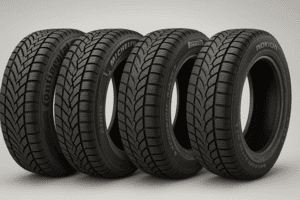
Many tyres available today already incorporate advanced compounds designed to optimise performance in different driving conditions. You can explore a wide range of modern tyre technologies in the Summer Tyres category.
2. Sustainable Raw Materials
The tyre industry is increasingly exploring renewable materials to replace traditional petroleum-based ingredients. Some innovative developments include:
- Natural rubber from alternative plant sources
- Recycled carbon black derived from used tyres
- Silica extracted from rice husk ash
- Bio-based oils replacing petroleum oils
These materials help reduce the carbon footprint of tyre production while maintaining strong performance characteristics.
3. Low Rolling Resistance Designs
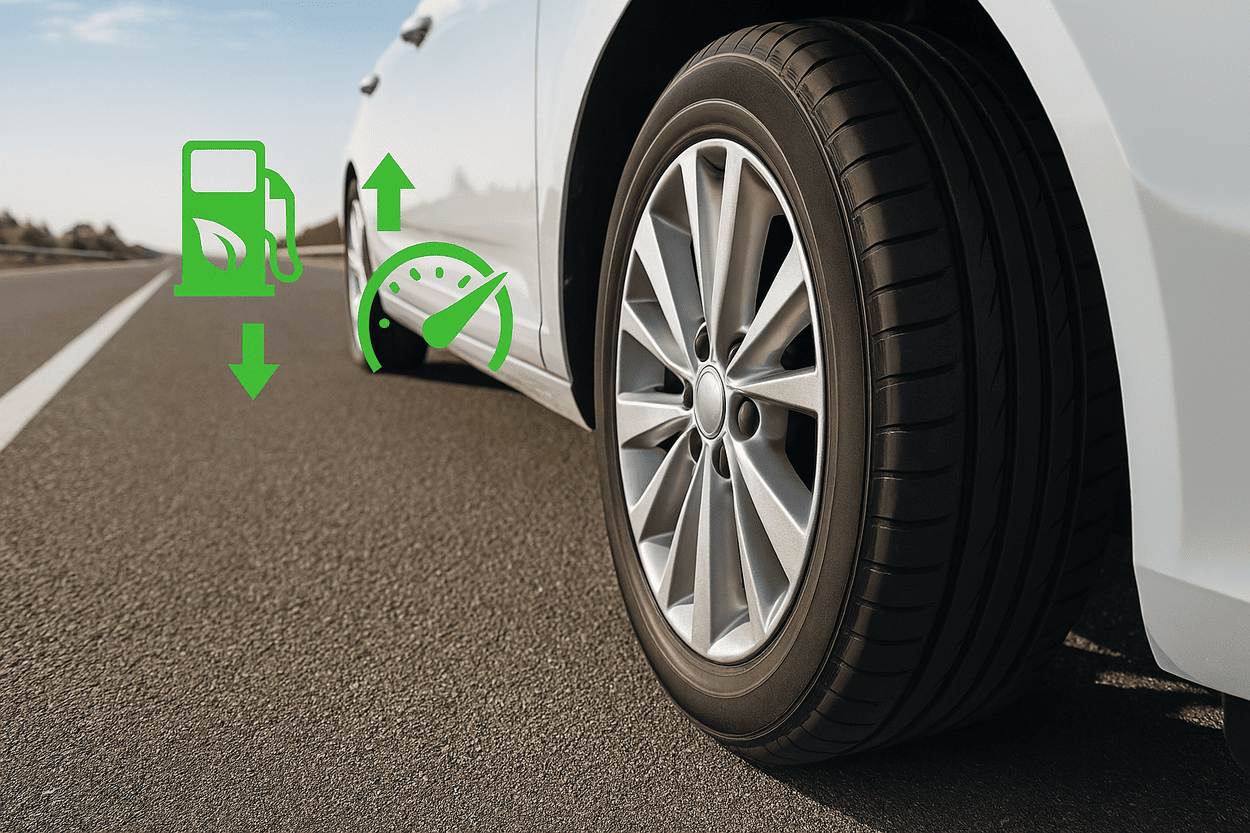
Tyres with lower rolling resistance require less energy to move, improving fuel efficiency and reducing emissions. Many modern tyre designs balance rolling resistance with grip and wear resistance.
Drivers looking for efficient everyday tyres often consider All-Season Tyres, which combine durability, performance, and efficiency in a single design.
4. Smart Tread Patterns
Innovative tread patterns can distribute pressure more evenly across the tyre surface. This helps reduce uneven wear and prolong tyre life. Longer-lasting tyres not only save money but also reduce environmental impact by lowering the total number of tyres produced and discarded.
The Role of Drivers in Reducing Tyre Wear
Technology alone cannot solve the problem of tyre wear particles. Driver behaviour also plays an important role in reducing environmental impact.
Simple driving habits can significantly reduce tyre wear:
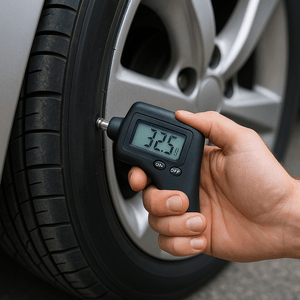
- Maintain the correct tyre pressure
- Avoid aggressive acceleration and braking
- Drive smoothly through corners
- Rotate tyres regularly
- Check wheel alignment periodically
Proper tyre maintenance improves safety, extends tyre life, and reduces the amount of particles released into the environment.
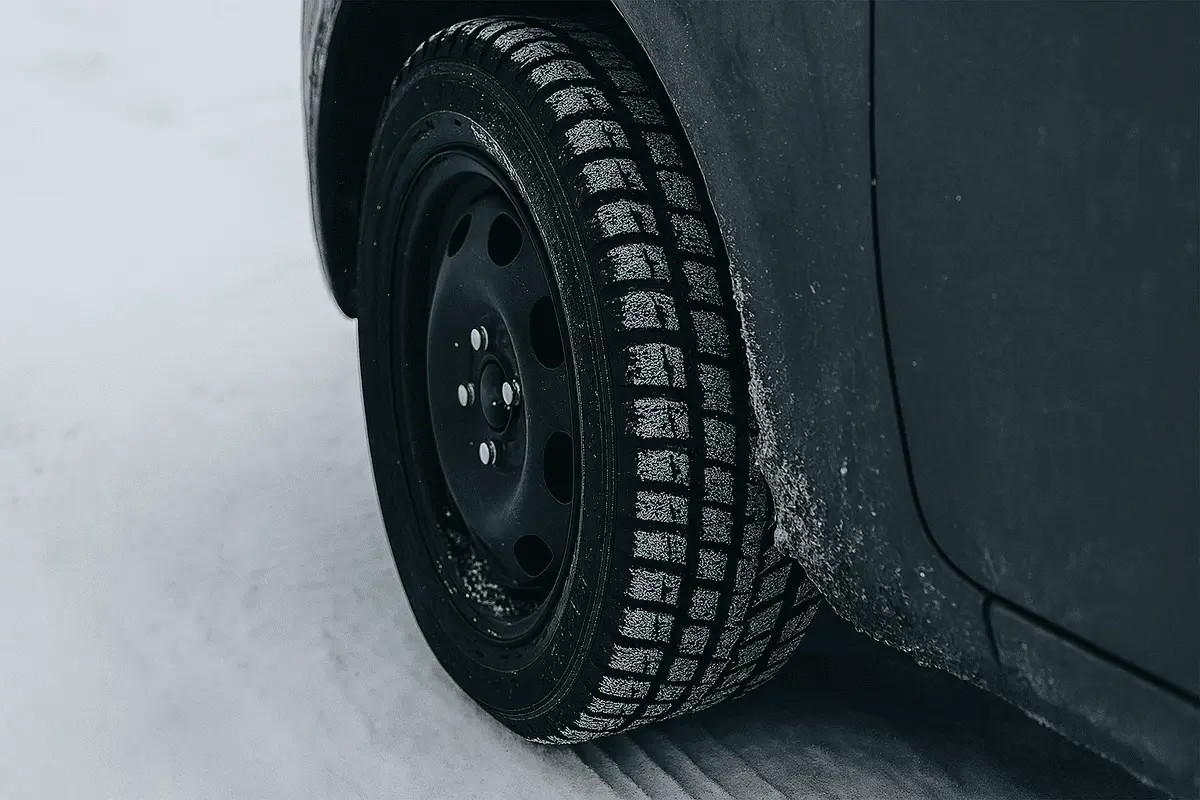
If you drive in colder climates, choosing the right seasonal tyres can also improve durability and safety. Dedicated Winter Tyres are designed to perform efficiently in low temperatures while maintaining strong grip on snow and ice.
The Future of Sustainable Tyre Technology
The next generation of tyres will likely combine multiple innovations to improve sustainability. Research in the tyre industry is currently focused on:
- Ultra-durable rubber compounds that reduce wear
- Fully recyclable tyre materials
- Tyres designed specifically for electric vehicles
- Digital monitoring systems that optimise tyre performance
Electric vehicles, for example, place unique demands on tyres due to their weight and instant torque. New tyre designs for EVs aim to reduce wear while maintaining quiet and efficient performance.
As environmental regulations become stricter and consumer awareness grows, sustainable tyre development will continue to accelerate.
Conclusion
Tyres are essential for safety, comfort, and mobility, but they also interact with the environment every time a vehicle is driven. Understanding the connection between tyre wear, microplastics, and sustainable tyre technology helps drivers make more informed choices.
The good news is that the tyre industry is evolving rapidly. New materials, smarter tread designs, and improved manufacturing processes are paving the way for more environmentally responsible tyres without compromising performance.
By choosing high-quality tyres, maintaining them properly, and driving responsibly, every driver can contribute to reducing tyre wear and supporting a more sustainable future for mobility.
14/05/26
Are Eco Tyres Really Better for the Environment?
Eco tyres can cut fuel use and CO₂ while keeping everyday performance. Read our guide to see if they’re right for your next tyre change.
Read more
Read more
28/04/26
What Is Wheel Balancing and Why It Matters for Your Tyres
Wheel balancing ensures an even weight distribution across your tyres, preventing vibrations, uneven wear, and reduced driving comfort. This article explains how imbalance occurs, the signs to watch for, and why regular balancing is essential for safety, efficiency, and long-term tyre performance.
Read more
Read more
14/04/26
What Causes Tyre Sidewall Damage and How to Prevent It
Read more
Tyre sidewall damage can result from kerbs, potholes, low pressure, or ageing. It often leads to serious safety risks and cannot be repaired. Regular checks, correct inflation, and careful driving help prevent damage and extend tyre life.
Read more

24/03/26
What to Consider When Buying Tyres Online
Read more
Buying tyres online can save money and time, but only if you know what to look for. From choosing the right size to avoiding hidden costs and unreliable sellers, a few key checks make all the difference. This guide highlights what to consider for a confident purchase.
Read more
09/03/26
Tyre Wear, Microplastics, and the Future of Sustainable Tyre Technology
Read more
Tyre wear releases tiny particles that can become microplastics in the environment. This article explains what tyre wear particles are, why they represent an environmental challenge, and how the tyre industry is developing more sustainable technologies, new materials, and designs that reduce environmental impact.
Read more
20 of 20 News