









 %service-partner-advantages-list%
What to Consider When Buying Tyres Online
24/03/26

Date: March 24, 2026 | Author: Eire Tyres Editorial Team | Reading time: 7 minutes
Buying tyres online has become one of the easiest ways to save money, compare brands, and get exactly what your vehicle needs without spending hours at a garage. Whether you’re a first‑time buyer or a seasoned car enthusiast, the online marketplace offers convenience and choice that traditional shops often can’t match. But with so many options, websites, and technical terms, it’s easy to feel overwhelmed. This guide walks you through the key things to consider so you can buy with confidence – wherever you are in Europe.
This article provides a clear, structured guide to help you make an informed, safe, and cost-effective tyre purchase online.
Know Your Tyre Size and Specifications
Before browsing any online catalogue, you need to know exactly what tyres your vehicle requires. The correct tyre size can be found in several places:
- On the tyre sidewall
- In the vehicle’s manual
- Inside the fuel cap or driver’s door frame
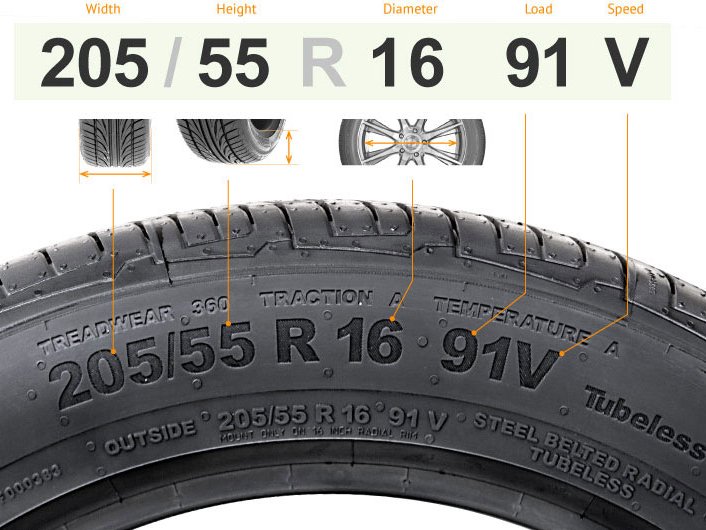
A typical tyre size looks like this: 205/55 R16 91V. Each part has a specific meaning:
- 205 – Tyre width in millimetres
- 55 – Aspect ratio (height as a percentage of width)
- R – Radial construction
- 16 – Rim diameter in inches
- 91 – Load index (maximum weight capacity)
- V – Speed rating (maximum safe speed)
The load index and speed rating are critical for safety. Using tyres with lower ratings than recommended can compromise vehicle performance and may even be illegal in some regions.
Always follow the manufacturer’s specifications. Deviating from them can affect braking, handling, fuel efficiency, and insurance coverage.
Understand the Type of Tyre You Need
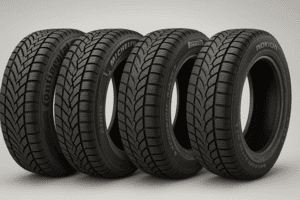
Choosing the correct tyre type depends on your driving habits, climate, and road conditions. The main categories include:
1. Summer tyres
Designed for temperatures above 7°C, these tyres offer optimal grip on dry and wet roads during warmer months. They provide precise handling and shorter braking distances in summer conditions.
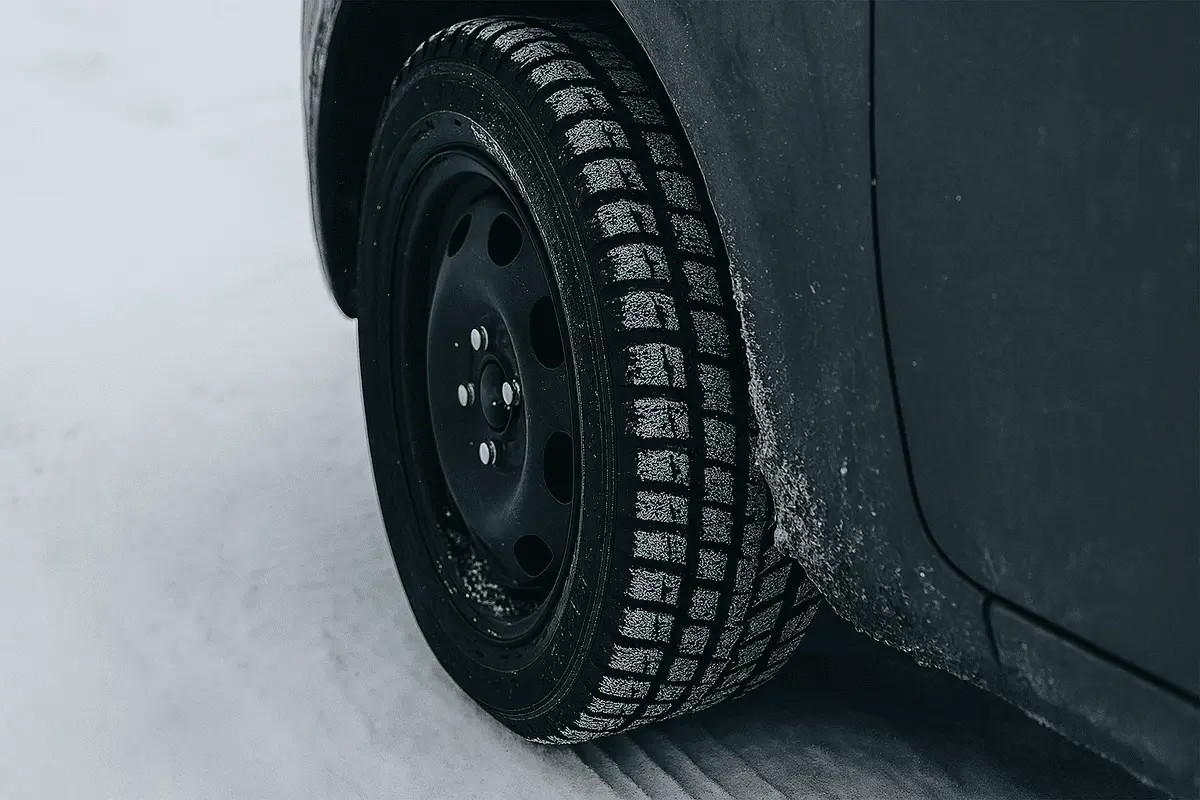
2. Winter tyres
Built for cold temperatures, snow, and ice, winter tyres use a softer rubber compound and deeper tread patterns to maintain traction. In many countries, they are mandatory during winter months.
3. All-season tyres
A compromise between summer and winter tyres, these are suitable for moderate climates. While convenient, they may not perform as well as dedicated seasonal tyres in extreme conditions.
4. Performance tyres
Designed for high-speed stability and superior handling, these tyres are ideal for sports cars or drivers who prioritize dynamic driving.
5. 4x4/SUV tyres
Engineered for heavier vehicles, these tyres offer enhanced durability and may include off-road capabilities depending on the model.
Your final choice should reflect how and where you drive. A driver covering long motorway distances in mild weather may have very different needs from someone regularly facing snow, steep roads, or rural terrain. Urban driving, annual mileage, and vehicle type all play a role in selecting the most suitable tyre.
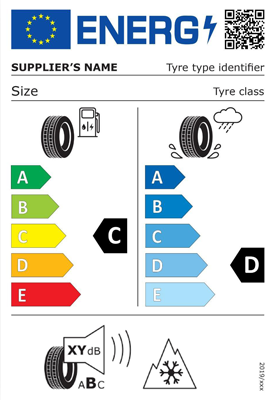
It is also worth checking the EU tyre label, which provides standardized ratings for:
- Fuel efficiency
- Wet grip
- Noise levels
These ratings make it easier to compare models objectively and can influence not only safety and comfort, but also long-term running costs.
Check the Tyre’s Age and Manufacturing Details
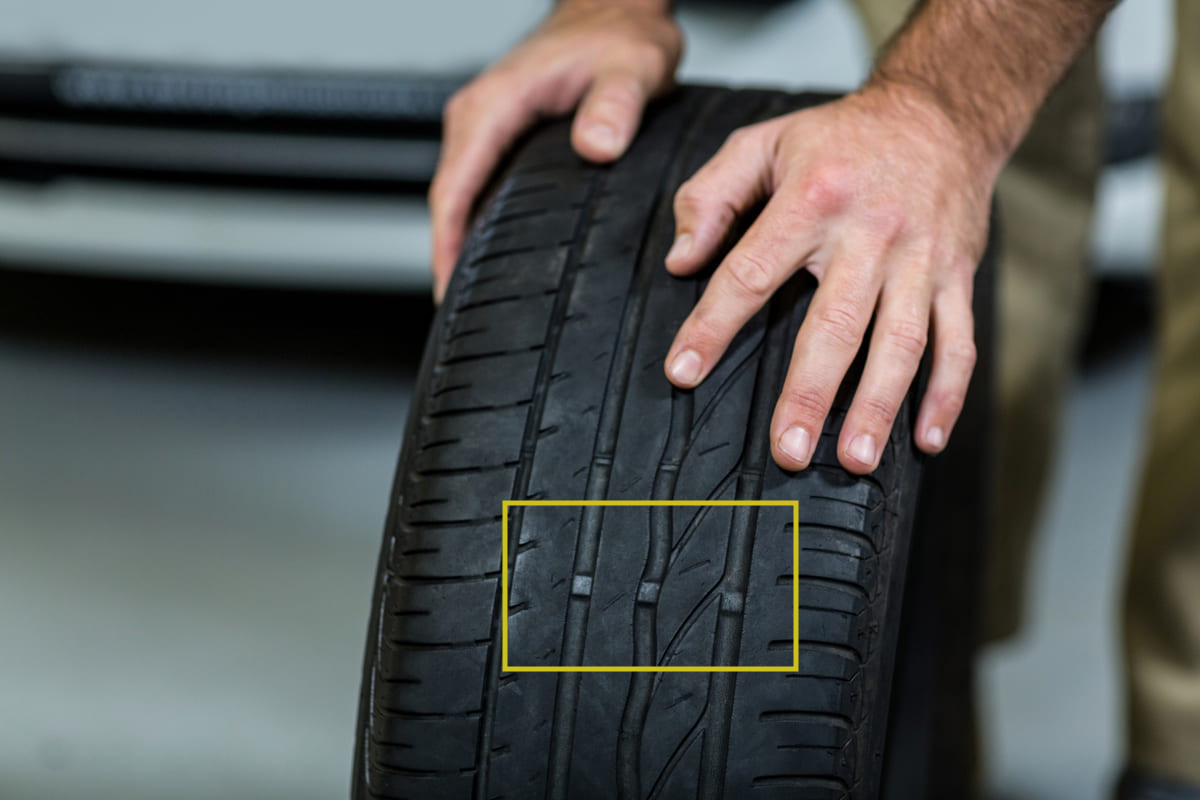
A tyre’s age is just as important as its specifications. Even unused tyres degrade over time due to environmental exposure, storage conditions, and the natural ageing of rubber compounds.
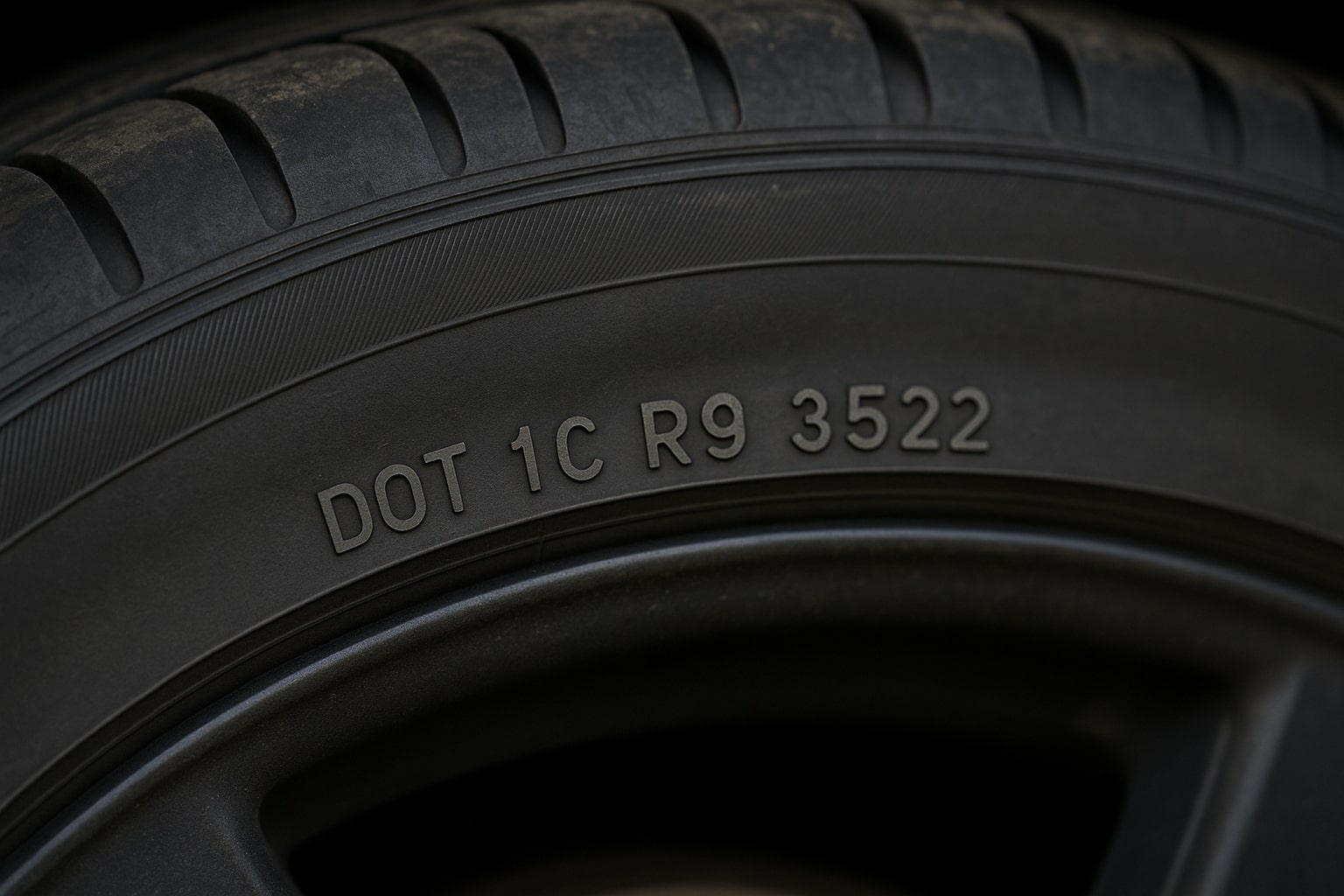
To determine the age, check the DOT code on the sidewall. The last four digits indicate the production week and year. For example:
- DOT XXXX 3522 = produced in week 35 of 2022
As a general rule, tyres older than 5–6 years may no longer perform optimally, even if they have never been fitted. Over time, rubber can harden, which may reduce grip, flexibility, and braking performance.
When buying online, check whether the retailer lists the production year or offers a freshness guarantee. If the information is missing, it is worth asking before placing the order. A reputable seller should be transparent about manufacturing details.
Compare Prices — But Look Beyond the Price Tag
Price comparison is one of the biggest advantages of buying tyres online. Still, the cheapest offer is not always the best value.
Several factors influence tyre pricing, including:
- Brand reputation
- Performance characteristics
- Durability and lifespan
- Warranty coverage
Budget tyres can look appealing at first glance, but they may wear faster, offer less comfort, or provide weaker wet-weather performance. Premium tyres often cost more initially, yet they may deliver better mileage, improved safety, and a quieter driving experience.
You should also account for additional costs that are not always visible on the product page:
- Delivery fees
- Fitting and balancing charges
- Disposal fees for old tyres
To make a meaningful comparison, calculate the total cost rather than looking only at the advertised price per tyre. A slightly more expensive tyre from a trusted brand may be the better purchase overall.
Evaluate the Seller’s Reputation
The reliability of the seller is just as important as the quality of the tyres. Buying from a trusted retailer reduces the risk of receiving old stock, incorrect products, or poor customer support.
Before ordering, check for the following:
- Verified customer reviews on independent platforms
- Clear return and refund policies
- Transparent warranty information
- Secure payment options
Good retailers usually provide detailed product descriptions, realistic delivery times, and clear contact details. They also make it easy to understand what happens if you need to return or exchange the tyres.
There are also some obvious warning signs. Be cautious if the website has no contact information, offers prices that seem far below market level, or appears poorly maintained. Missing legal information, vague terms, or broken pages can all indicate an unreliable seller.
Check Delivery and Installation Options
Online tyre retailers typically offer several delivery methods, and choosing the right one can make the purchase much easier.
1. Home delivery
The tyres are sent directly to your address, and you arrange fitting separately with a local garage. This can work well if you already have a trusted fitter nearby.
2. Direct-to-garage delivery
The tyres are shipped straight to a partner workshop, where they are fitted once they arrive. This is often the most convenient option because it reduces the need to transport the tyres yourself.
3. Mobile fitting services
Some sellers work with mobile fitting providers who install the tyres at your home or workplace. This can be especially useful for busy drivers who want to save time.
When placing an order, pay attention to estimated delivery times, available fitting partners, and how appointment scheduling works. If the tyres arrive damaged, incorrect, or incomplete, contact the seller immediately and document the issue with photos. Prompt reporting makes it easier to resolve the problem quickly.
Understand Return, Refund, and Warranty Policies
Clear return and warranty policies are essential when buying tyres online. Since you cannot inspect the product before purchase, you need to know what protections apply if something goes wrong.
Check the following before ordering:
- How long the return window lasts
- Whether tyres must be unused and unmounted
- Who pays the return shipping costs
- What defects are covered by warranty
Warranty protection usually applies to manufacturing defects or structural faults, but not to normal wear, improper storage, incorrect fitting, or damage caused by road hazards.
Reading the fine print is important. A generous-looking policy may still include conditions that affect your rights. Understanding the details in advance can prevent unnecessary costs and frustration later.
Sustainability and Disposal Considerations
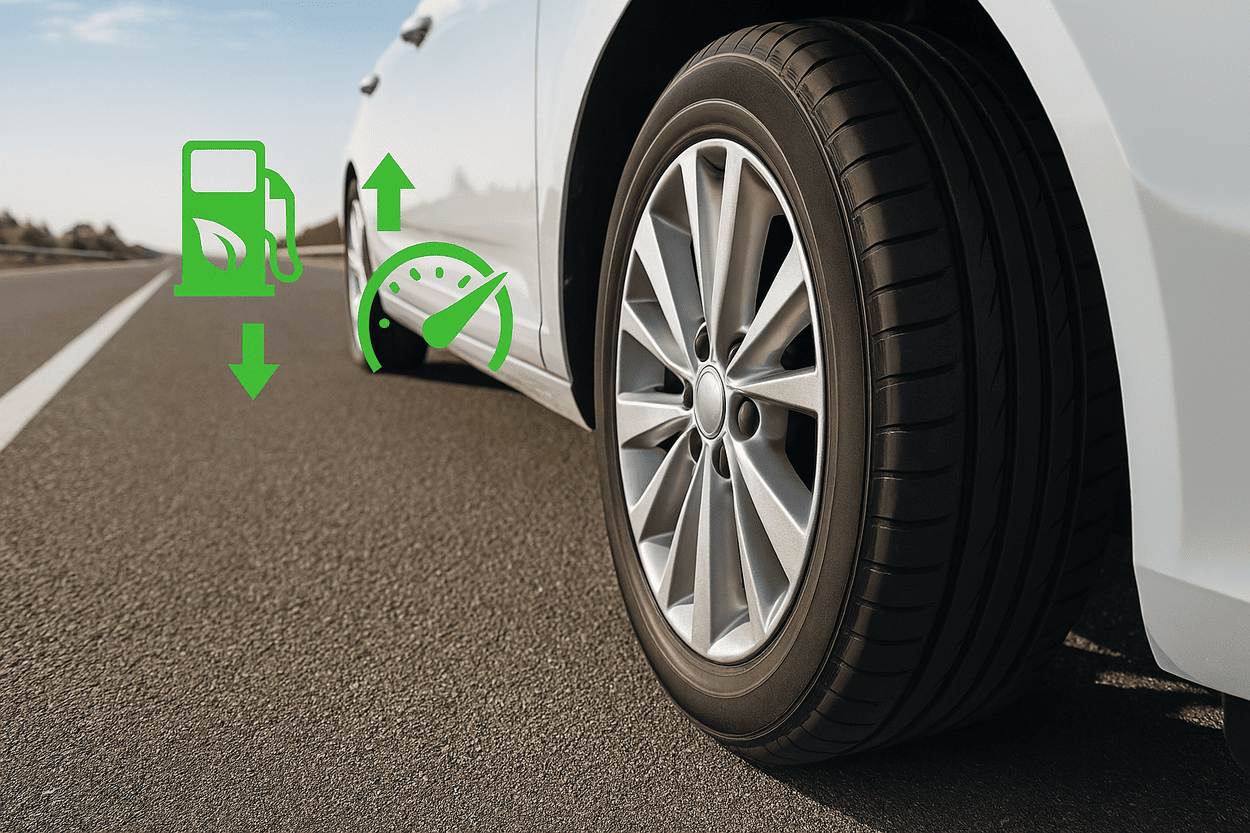
Sustainability is becoming more important in the tyre market. Many manufacturers now offer tyres designed to reduce rolling resistance, improve fuel efficiency, and lower environmental impact during production and use.
For buyers who value eco-conscious products, it may be worth looking at options that emphasize reduced emissions, longer lifespan, or innovative materials.
Proper disposal of old tyres is equally important. Used tyres should never be discarded improperly, as they can cause serious environmental harm. Many online retailers, fitting partners, and garages offer tyre recycling or disposal services, sometimes included in the fitting fee.
Checking this in advance can save time and ensure that your old tyres are handled responsibly.
Key Things to Remember Before You Buy
Buying tyres online can be convenient, safe, and cost-effective when approached with the right information. The most important steps are to confirm your tyre size and specifications, choose the right tyre type for your driving conditions, and buy only from reputable sellers. It also pays to compare the total cost, review delivery and fitting options, and read return and warranty terms carefully. With proper research, you can shop online with confidence and make a choice that supports both safety and value.
#TyreBuying #BuyTyresOnline #CarMaintenance #TyreGuide #SafeDriving #AutoTips #TyreSafety #OnlineShopping #CarCare #VehicleSafety
14/05/26
Are Eco Tyres Really Better for the Environment?
Eco tyres can cut fuel use and CO₂ while keeping everyday performance. Read our guide to see if they’re right for your next tyre change.
Read more
Read more
28/04/26
What Is Wheel Balancing and Why It Matters for Your Tyres
Wheel balancing ensures an even weight distribution across your tyres, preventing vibrations, uneven wear, and reduced driving comfort. This article explains how imbalance occurs, the signs to watch for, and why regular balancing is essential for safety, efficiency, and long-term tyre performance.
Read more
Read more
14/04/26
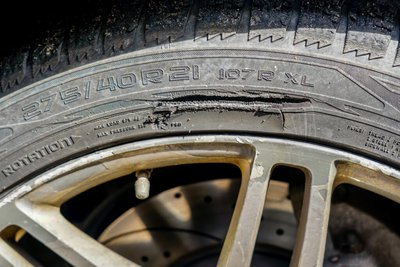
What Causes Tyre Sidewall Damage and How to Prevent It
Read more
Tyre sidewall damage can result from kerbs, potholes, low pressure, or ageing. It often leads to serious safety risks and cannot be repaired. Regular checks, correct inflation, and careful driving help prevent damage and extend tyre life.
Read more
24/03/26
What to Consider When Buying Tyres Online
Read more
Buying tyres online can save money and time, but only if you know what to look for. From choosing the right size to avoiding hidden costs and unreliable sellers, a few key checks make all the difference. This guide highlights what to consider for a confident purchase.
Read more
09/03/26
Tyre Wear, Microplastics, and the Future of Sustainable Tyre Technology
Read more
Tyre wear releases tiny particles that can become microplastics in the environment. This article explains what tyre wear particles are, why they represent an environmental challenge, and how the tyre industry is developing more sustainable technologies, new materials, and designs that reduce environmental impact.
Read more
20 of 20 News