










 %service-partner-advantages-list%
How to Choose the Right Rims for Your Winter Tyres
20/10/25
Published on: October 20, 2025
Author: Eiretyres Team
Reading Time: 5 minutes
Quick answer: steel rims with a dedicated winter tyre set are usually the most practical, durable, and cost-effective choice. Keep your alloys for summer.
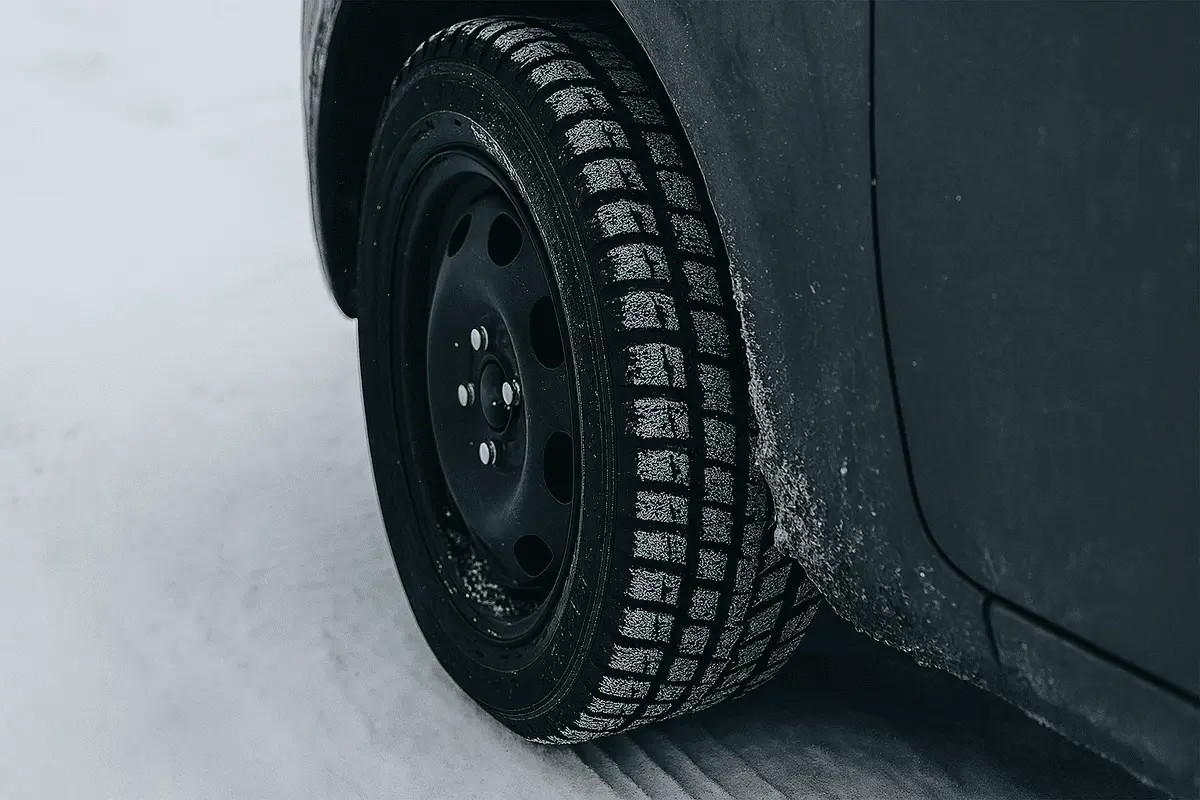
As winter approaches and tyres get swapped, the next question is which rims make the most sense for cold weather. This matters especially if you run two wheel sets with different tyre types. Below we outline which rims suit winter best - steel, cast, or forged, in smaller or larger diameters - and the practical pros and cons of each choice.
What types of rims can you choose from?
✔ Steel rims: stamped and welded, heavy, highly durable, inexpensive, easy to repair. Finishes are painted or powder-coated and need salt protection in winter.
✔ Cast aluminum alloy rims: lighter than steel for better handling and economy; allow complex designs; can suffer curb rash and corrosion if coatings fail.
✔ Forged alloy rims: metal compressed under high pressure; stronger and lighter than cast; premium performance at a higher cost.
✔ Flow-formed and multi-piece rims: a compromise between cast and forged; stronger than basic cast at lower cost than fully forged; flexible fitment and aesthetics.
✔ Reinforced or winter‑rated alloys: alloys with thick powder coating or clear ceramic coatings can be acceptable if corrosion protection is robust.
✔ Specialty materials: carbon fiber or chromed finishes are very light or very showy, but costly and rarely sensible for winter due to fragility or finish wear.
What are the practical winter fitment options?
1) Replace only tyres, keep the same rims
You have one set of wheels, alloy or steel, it does not matter. You simply change the tyres each season.
| Pros | Cons |
|---|---|
|
|
2) Buy steel winter rims and mount winter tyres
Your summer tyres are on alloy wheels, and for winter you buy a second set of steel wheels.
| Pros | Cons |
|---|---|
|
|
3) Using alloy rims with large wheels because steel rims are hard to find
Practical approaches: use winter-rated alloy rims with salt-resistant finishes; source custom steel wheels from specialists; consider certified adapters only when approved for your vehicle.
| Pros | Cons |
|---|---|
|
|
Why are steel rims usually the best winter choice?
Steel rims balance cost, strength, and practicality. They shrug off potholes and salt, and minor scrapes are inexpensive to fix. A second complete wheel set eliminates seasonal demounting, reducing mounting/balancing fees and wear on tyres, valves, and TPMS. Narrower winter rims also allow slightly taller tyres for better snow flotation and ride comfort—often improving real-world traction over low-profile summer setups.
🧊 Which rim brands make sense for winter?
Steel Rim Brands (Best for harsh winter conditions)
These are ideal for snowy roads, salt exposure, and pothole resistance.
| KFZ | German-made steel rims, widely used across Europe, TÜV-certified. |
| Alcar | Offers steel wheels under brands like KFZ and AEZ; good EU coverage. |
| Ronal | Known for both alloy and steel; their steel rims are OEM-grade. |
| Magnetto | Italian manufacturer; supplies steel wheels for many carmakers. |
| Südrad | OEM supplier in Germany; robust steel wheels with solid approvals. |
Alloy Rim Brands with winter-rated finishes
If steel rims aren’t available in your size, these alloy brands offer corrosion-resistant coatings suitable for winter.
| Dezent | Offers “Dezent Winter” line with salt-resistant coatings. |
| AEZ | Premium finish alloys with TÜV approval; some models winter-rated. |
| Borbet | German brand with winter-capable alloys and wide fitment options. |
| MSW by OZ | Budget-friendly line from OZ Racing; some models rated for winter. |
| Dotz | Sportier designs, some with winter coating options. |
Tip: Look for powder-coated or clear-coated finishes and confirm winter suitability in product specs.
What final tips should you follow?
- Verify size, offset (ET), load rating, and TPMS compatibility before buying.
- Maintenance: Regular cleaning and protection extend the life of both steel and alloy rims. Rinse winter wheels often to remove salt; add a wax or sealant each season.
- Avoid polished finishes: they corrode faster and scratch easily.
- Steel rims can be repainted to prevent rust.
- Alloy rims require gentle cleaning products, thorough drying, and protective coatings to maintain their appearance.
14/05/26
Are Eco Tyres Really Better for the Environment?
Eco tyres can cut fuel use and CO₂ while keeping everyday performance. Read our guide to see if they’re right for your next tyre change.
Read more
Read more
28/04/26
What Is Wheel Balancing and Why It Matters for Your Tyres
Wheel balancing ensures an even weight distribution across your tyres, preventing vibrations, uneven wear, and reduced driving comfort. This article explains how imbalance occurs, the signs to watch for, and why regular balancing is essential for safety, efficiency, and long-term tyre performance.
Read more
Read more
14/04/26
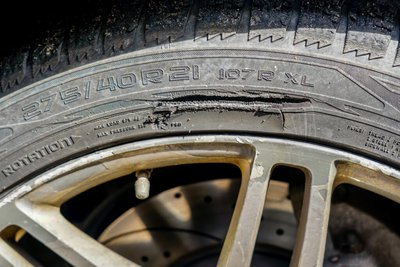
What Causes Tyre Sidewall Damage and How to Prevent It
Read more
Tyre sidewall damage can result from kerbs, potholes, low pressure, or ageing. It often leads to serious safety risks and cannot be repaired. Regular checks, correct inflation, and careful driving help prevent damage and extend tyre life.
Read more

24/03/26
What to Consider When Buying Tyres Online
Read more
Buying tyres online can save money and time, but only if you know what to look for. From choosing the right size to avoiding hidden costs and unreliable sellers, a few key checks make all the difference. This guide highlights what to consider for a confident purchase.
Read more
09/03/26
Tyre Wear, Microplastics, and the Future of Sustainable Tyre Technology
Read more
Tyre wear releases tiny particles that can become microplastics in the environment. This article explains what tyre wear particles are, why they represent an environmental challenge, and how the tyre industry is developing more sustainable technologies, new materials, and designs that reduce environmental impact.
Read more
20 of 20 News