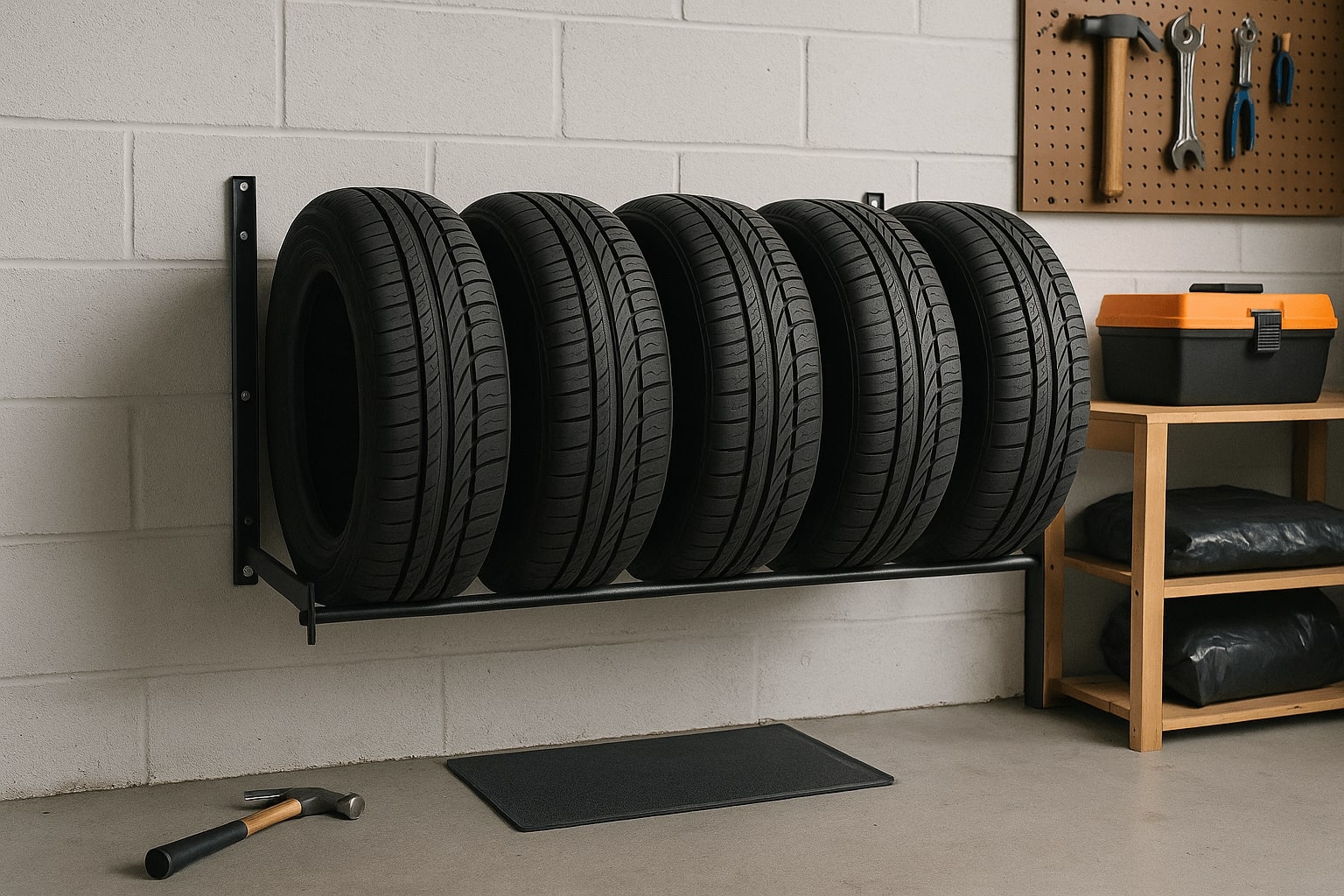
When the driving season ends, your tyres deserve more than a spare corner in the garage. How you store them directly affects their safety, lifespan, and performance when it’s time to fit them again. The right approach prevents cracking, flat spots, and rubber hardening—issues that can reduce grip and comfort on the road.
Many drivers switch between summer tyres and winter tyres, while others rely on all-season tyres. Whatever you use, the principles below will help you store your tyres properly when they’re not in use.
Clean and Dry Before Storage
Wash away dirt, brake dust, and road salt with mild soap, water, and a soft brush. Avoid harsh or petroleum-based cleaners that can degrade the sidewalls. Let tyres dry completely—trapped moisture promotes corrosion on rims and encourages mould if stored for long periods. Clean, dry tyres age more slowly and are less prone to surface cracking.
Choose a Cool, Dry, and Dark Location
Heat, sunlight, and ozone accelerate rubber ageing. Store tyres indoors in a cool, dry, well-ventilated area away from windows, radiators, water heaters, and electric motors. If indoor space is limited, shield tyres with an opaque, breathable cover; avoid airtight plastic that traps condensation. Consistent temperatures help preserve elasticity.
Position Tyres Correctly
Tyres on rims: stack horizontally (no more than four high) and rotate the stack every couple of months to share the load. Hanging is also acceptable when mounted on rims.
Tyres without rims: store vertically (standing upright) and roll them a quarter turn periodically to prevent flat spotting. Do not hang unmounted tyres—this stresses the carcass and can deform the bead.
Keep tyres off bare concrete where possible; use a pallet, shelf, or protective mat to reduce contact with moisture.
Keep Clear of Chemicals
Separate tyres from fuels, oils, lubricants, cleaning solvents, and paints. Even fumes can be absorbed by rubber and weaken it over time. Store household chemicals in a different cabinet or area to avoid vapour exposure.
Inspect During Storage
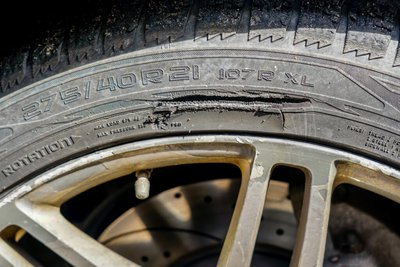
Every few months, check for cracks, bulges, or pressure loss (if mounted). Reposition stacks or rotate upright tyres slightly to distribute weight evenly. For more details about how tyre choice affects safety, see our article on how driving with the wrong tyres for the season affects your safety.
Conclusion
Proper storage is a quick, low-cost way to protect your tyres and ensure dependable performance next season. Clean and dry them, choose a cool and dark space, position them correctly, keep them away from chemicals, and inspect them periodically. These simple habits preserve tread integrity, comfort, and safety—so your next drive starts with confidence.















 %service-partner-advantages-list%