







 %service-partner-advantages-list%
How Your Driving Style Impacts Tyre Lifespan
15/12/25

Published on: December 15, 2025
Author: Eiretyres Team
Reading Time: 5 minutes
Tyres are one of the most important components of any vehicle. They influence braking distance, fuel efficiency, ride comfort, and - above all - safety. Replacing them is not cheap, and manufacturing new tyres consumes significant resources, making tyre longevity equally a financial and environmental concern.
Your tyres don’t just wear out with time - they wear out with how you drive.
The way a driver brakes, accelerates, corners, and responds to traffic has a direct and measurable impact on tyre lifespan. By understanding how specific behaviours affect tyre wear, drivers can extend tyre life, save money, and reduce their vehicle’s environmental footprint.
The Science Behind Tyre Wear
Tyre wear is the natural result of friction, heat, and road contact. When the rubber meets the road surface, microscopic pieces of the tread are scraped away. Over thousands of kilometres, these tiny losses add up and reduce tread depth.
Friction and heat are the main forces at play. Hard braking and rapid acceleration generate additional heat, causing rubber to soften and wear more quickly. High-speed driving increases friction and heat build-up, further accelerating degradation.
Tread depth determines how effectively a tyre grips the road. Deeper treads disperse water, maintain traction, and help tyres operate at safe temperatures. As tread depth decreases, tyres become more vulnerable to heat, hydroplaning, and structural stress.
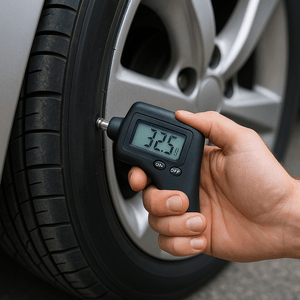
Tyre pressure is equally critical. Underinflated tyres flex excessively, generating heat and wearing the outer edges faster. Overinflated tyres concentrate pressure in the centre of the tread, reducing grip and leading to uneven wear. Maintaining the manufacturer-recommended pressure is one of the simplest and most effective ways to prolong tyre life.
Aggressive Driving Habits That Shorten Lifespan
Certain driving behaviours dramatically increase the rate at which tyres wear out. These habits may seem harmless in the moment but can reduce tyre life by thousands of kilometres.
Hard braking and rapid acceleration
Sudden braking sends enormous frictional force through the tyre’s contact patch. The rubber is literally scraped off the road in an instant. Rapid acceleration has the same effect in reverse, especially in powerful vehicles that can break traction easily. Over time, these behaviours cause flat spots, feathering, and uneven wear.
High-speed cornering
Taking corners aggressively forces tyres to bear heavy lateral loads. Instead of rolling smoothly, they slide slightly across the road surface, increasing abrasion and heat. Performance vehicles with stiff suspensions make this effect even more pronounced. Drivers who frequently take roundabouts or sharp turns at high speed can expect shorter tyre lifespans.
Stop-and-go traffic behaviour
In dense urban areas, drivers who constantly surge forward and brake abruptly put unnecessary stress on their tyres. Even at low speeds, these repeated load changes accelerate tread wear and heat build-up. Smooth, gradual stops and starts reduce this strain.
Gentle Driving Habits That Extend Lifespan
Good driving habits don’t just make journeys more pleasant - they help tyres last longer.
Smooth acceleration and braking
Gradual throttle inputs and controlled braking reduce the frictional shock to tyres. The rubber is allowed to grip the road naturally rather than being forced into abrupt changes. This not only extends tyre life but also improves fuel efficiency and passenger comfort.
Maintaining steady speeds
Keeping a consistent pace, especially on highways, reduces heat build-up and minimises friction fluctuations. Constant speed changes - accelerating, lifting off, and re-accelerating - cause unnecessary stress on the tyres.
Anticipating traffic flow
Drivers who look ahead and predict traffic behaviour can adjust speed smoothly instead of reacting suddenly. This includes maintaining adequate following distance, coasting when approaching red lights, and avoiding sharp manoeuvres. Anticipatory driving is one of the most effective ways to reduce tyre wear without sacrificing travel time.
| Driving Style | Typical Habits | Impact on Tyres | Lifespan Effect |
|---|---|---|---|
| Aggressive Driving | Hard braking & rapid acceleration | Generates excess heat and friction | Accelerated tread wear |
| High-speed cornering | Uneven wear on shoulders | Reduced stability over time | |
| Frequent stop-and-go traffic behavior | Repeated stress cycles | Shortened tyre lifespan | |
| Gentle Driving | Smooth acceleration & braking | Minimizes heat build-up | Extended tread life |
| Maintaining steady speeds | Reduces rolling resistance | Improved fuel efficiency & longevity | |
| Anticipating traffic flow | Fewer sudden maneuvers | Consistent wear, longer lifespan |
Impact of Road Conditions and Environment
Even with perfect driving habits, environmental factors can shorten tyre lifespan.
Potholes, uneven surfaces, and gravel roads
Striking potholes or driving frequently on rough roads damages the tyre structure and accelerates wear. Gravel and dirt roads grind the tread surface, while uneven pavement causes cupping - irregular, scalloped wear on the tread blocks.
Weather extremes
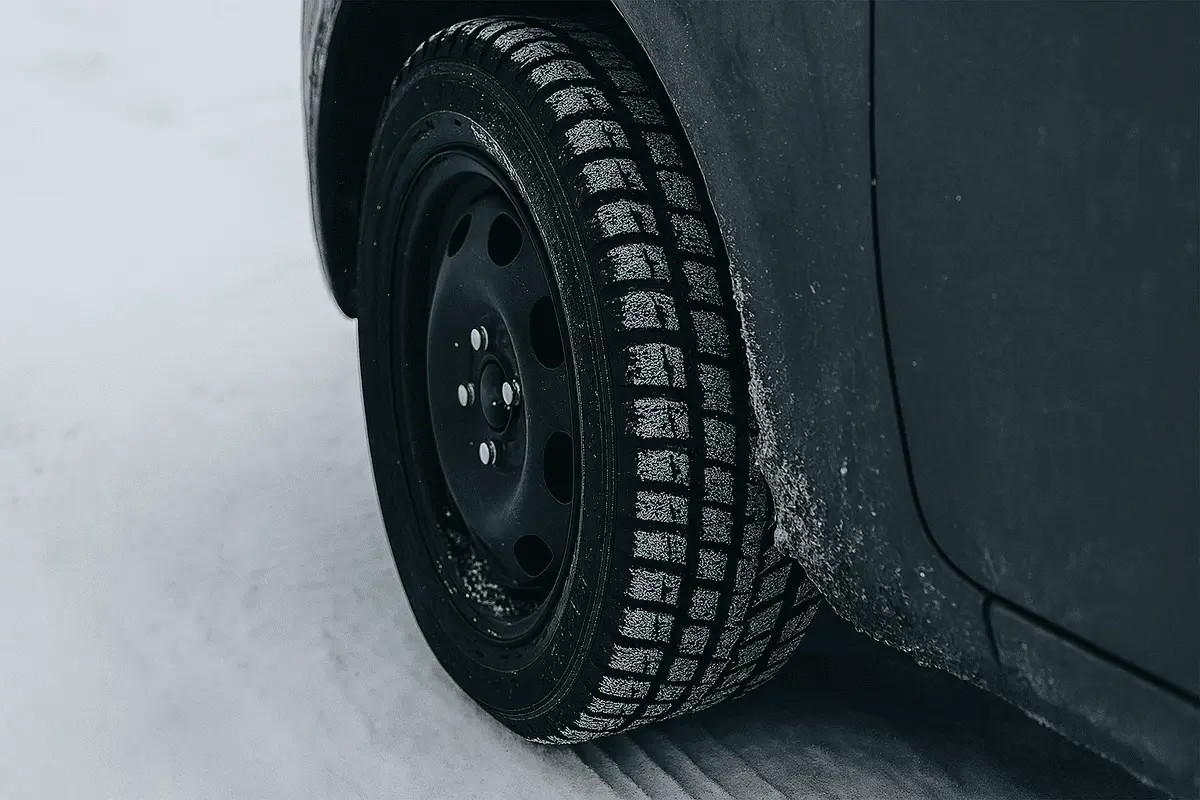
Heat softens rubber, making tyres more susceptible to rapid wear, especially when driving long distances at high speeds. Extreme cold stiffens rubber, reducing grip and increasing brittleness. Rain introduces additional frictional challenges, as tyres must work harder to maintain contact through water.
Urban vs. highway driving patterns
City driving involves frequent turns, stops, and starts - all behaviours that increase wear. Highway driving, in contrast, is typically more tyre-friendly due to steady speeds and smoother surfaces. However, consistently driving at very high speeds can counteract this advantage by raising tyre temperature.
Tyre Maintenance and Monitoring
Driving style isn’t the only factor that defines how long tyres last. Proper maintenance plays a major supporting role.
Correct tyre pressure
Checking pressure monthly ensures tyres operate within their optimal range. Underinflated tyres wear faster and increase fuel consumption, while overinflated tyres reduce grip and centralise wear.
Wheel alignment and balancing
Misalignment causes tyres to drag unevenly across the road, wearing down one side more quickly. Balancing prevents vibration that can lead to cupping or patchy wear. Both should be checked at least once a year or whenever irregularities are noticed.
Rotation and tread checks
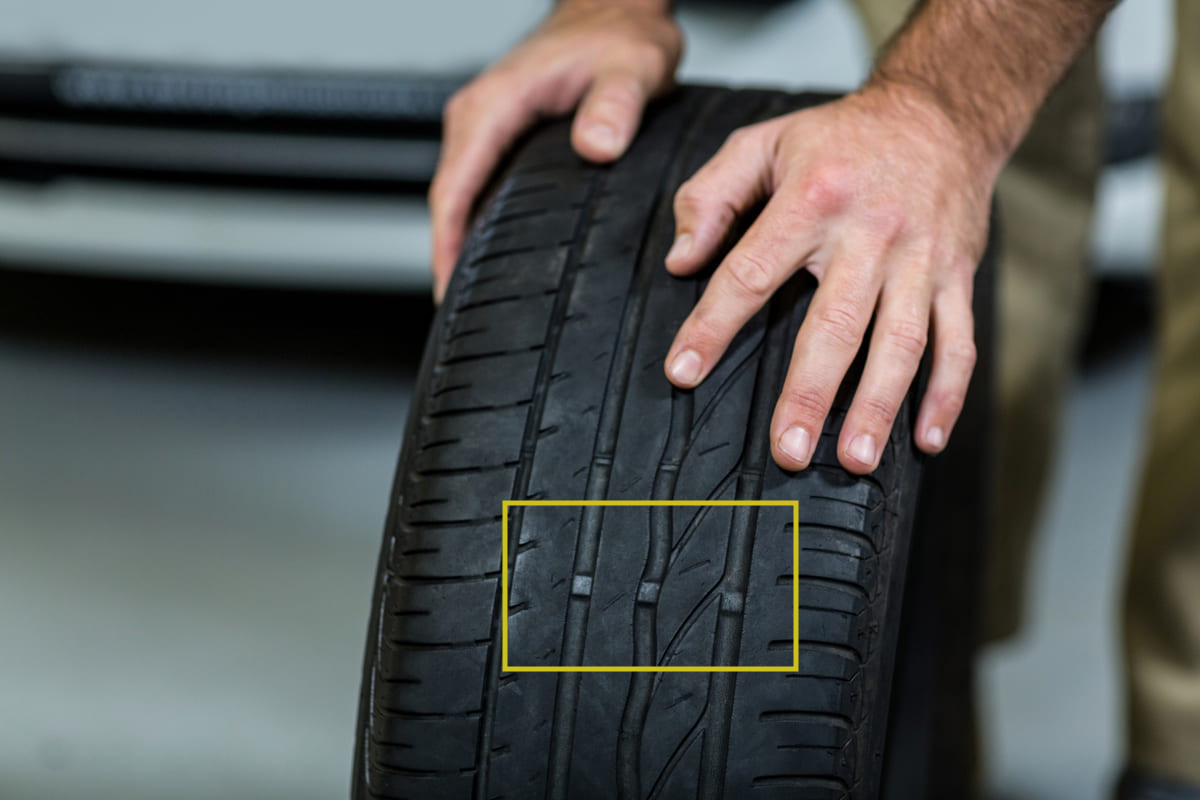
Tyres wear differently depending on their position on the vehicle. Rotating them every 8,000–10,000 km helps distribute wear evenly. Regular tread inspections identify early problems such as uneven wear patterns, embedded objects, or small cracks that could worsen.
Driving Style + Technology
Modern vehicles come with systems that subtly influence tyre wear - but they work best when combined with responsible driving.
ABS, TPMS, and traction control
ABS prevents wheel lockup during hard braking, which reduces flat spots and improves control. Traction control prevents tyres from spinning freely under acceleration. TPMS (Tyre Pressure Monitoring System) alerts drivers to underinflation before it causes damage.
These technologies help protect tyres but cannot compensate for consistently aggressive driving habits.
Eco-driving modes
Many newer vehicles include eco-drive settings that smooth throttle response, reduce aggressive acceleration, and optimise energy usage. These systems encourage a gentler driving style and can significantly extend tyre lifespan without affecting everyday drivability.
Practical Tips for Everyday Drivers
Below are actionable steps that any driver can implement immediately:
- Check tyre pressure at least once a month, and always before long trips.
- Accelerate and brake smoothly to minimise friction and heat.
- Avoid sudden lane changes or sharp cornering whenever possible.
- Maintain steady speeds, especially on long journeys.
- Keep a safe following distance to reduce unexpected braking.
- Rotate tyres regularly to even out wear patterns.
- Slow down on rough roads and avoid potholes to protect tyre structure.
Each of these small actions contributes to longer tyre life, improved fuel efficiency, and safer driving overall.
Drive smarter, save tyres, save money!
Driving style plays a far greater role in tyre longevity than many motorists realise. From the way you brake to how you corner, your daily habits shape the lifespan, performance, and safety of your tyres. When combined with regular maintenance and modern vehicle technology, mindful driving can significantly extend tyre life.
14/05/26
Are Eco Tyres Really Better for the Environment?
Eco tyres can cut fuel use and CO₂ while keeping everyday performance. Read our guide to see if they’re right for your next tyre change.
Read more
Read more
28/04/26
What Is Wheel Balancing and Why It Matters for Your Tyres
Wheel balancing ensures an even weight distribution across your tyres, preventing vibrations, uneven wear, and reduced driving comfort. This article explains how imbalance occurs, the signs to watch for, and why regular balancing is essential for safety, efficiency, and long-term tyre performance.
Read more
Read more
14/04/26
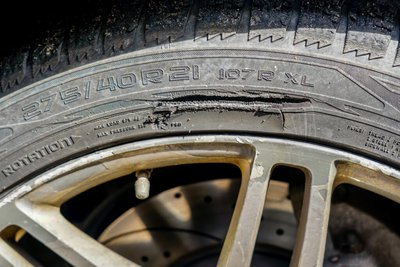
What Causes Tyre Sidewall Damage and How to Prevent It
Read more
Tyre sidewall damage can result from kerbs, potholes, low pressure, or ageing. It often leads to serious safety risks and cannot be repaired. Regular checks, correct inflation, and careful driving help prevent damage and extend tyre life.
Read more

24/03/26
What to Consider When Buying Tyres Online
Read more
Buying tyres online can save money and time, but only if you know what to look for. From choosing the right size to avoiding hidden costs and unreliable sellers, a few key checks make all the difference. This guide highlights what to consider for a confident purchase.
Read more
09/03/26
Tyre Wear, Microplastics, and the Future of Sustainable Tyre Technology
Read more
Tyre wear releases tiny particles that can become microplastics in the environment. This article explains what tyre wear particles are, why they represent an environmental challenge, and how the tyre industry is developing more sustainable technologies, new materials, and designs that reduce environmental impact.
Read more
20 of 20 News