









 %service-partner-advantages-list%
Why Correct Tyre Pressure Matters – and How to Check It
22/09/25
Published on: September 22, 2025
Author: Eiretyres Team
Reading Time: 5 minutes
Every driver knows tyres are essential, but few realise just how much tyre pressure affects safety, fuel consumption, and the lifespan of their tyres. Driving with incorrect tyre pressure can compromise control, increase braking distances, and lead to unnecessary wear. The good news is: checking and correcting tyre pressure is simple, fast, and can save you a lot of trouble down the road.
Why Correct Tyre Pressure Matters
- Safety: Properly inflated tyres maintain optimal road grip, reducing the risk of skidding or aquaplaning.
- Fuel efficiency: Underinflated tyres increase rolling resistance, which means your car consumes more fuel.
- Tyre lifespan: Incorrect pressure leads to uneven wear, forcing premature replacements.
- Comfort: Correct pressure ensures smoother rides and better handling on every journey.
How to Check Your Tyre Pressure
- Find the correct pressure: Check your car manual or the sticker inside the driver’s door frame. Typical pressures range between 2.0 and 2.5 bar, but always follow the manufacturer’s recommendation.
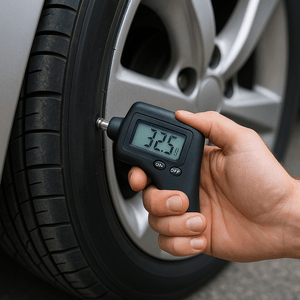
- Use a reliable gauge: Digital or analog gauges both work. Many petrol stations have pressure checkers, but having your own tool ensures accuracy.
- Measure when tyres are cold: Pressure rises as tyres heat up. For best results, check after the car has been parked for a few hours.
- Adjust if needed: Add or release air until all four tyres (including the spare) match the recommended levels.
Tyre Pressure Monitoring System (TPMS)
Most modern cars are equipped with a Tyre Pressure Monitoring System (TPMS). This system automatically alerts you if one or more tyres drop below the recommended level. TPMS helps drivers react quickly to underinflated tyres, improving road safety and fuel efficiency.
However, TPMS should not replace regular manual checks—sensors may not detect slow leaks or issues with the spare tyre. For a full overview, see our TPMS information page.
When to Check Tyre Pressure
Experts recommend checking tyre pressure at least once a month and before long trips. Seasonal changes also affect pressure, so be extra attentive during temperature shifts in spring and autumn. If you’re considering a tyre change, explore eiretyres.com for a wide selection of car tyres, including all-season tyres perfect for year-round safety.
Practical Tips
- Don’t forget the spare tyre- it’s useless if underinflated when you need it most.
- Check pressure before setting out on holiday trips with heavy loads.
- If one tyre constantly loses pressure, have it inspected for punctures or valve issues.
- Check tyre pressure before driving on motorways for long periods, as sustained high speeds increase heat and pressure fluctuations.
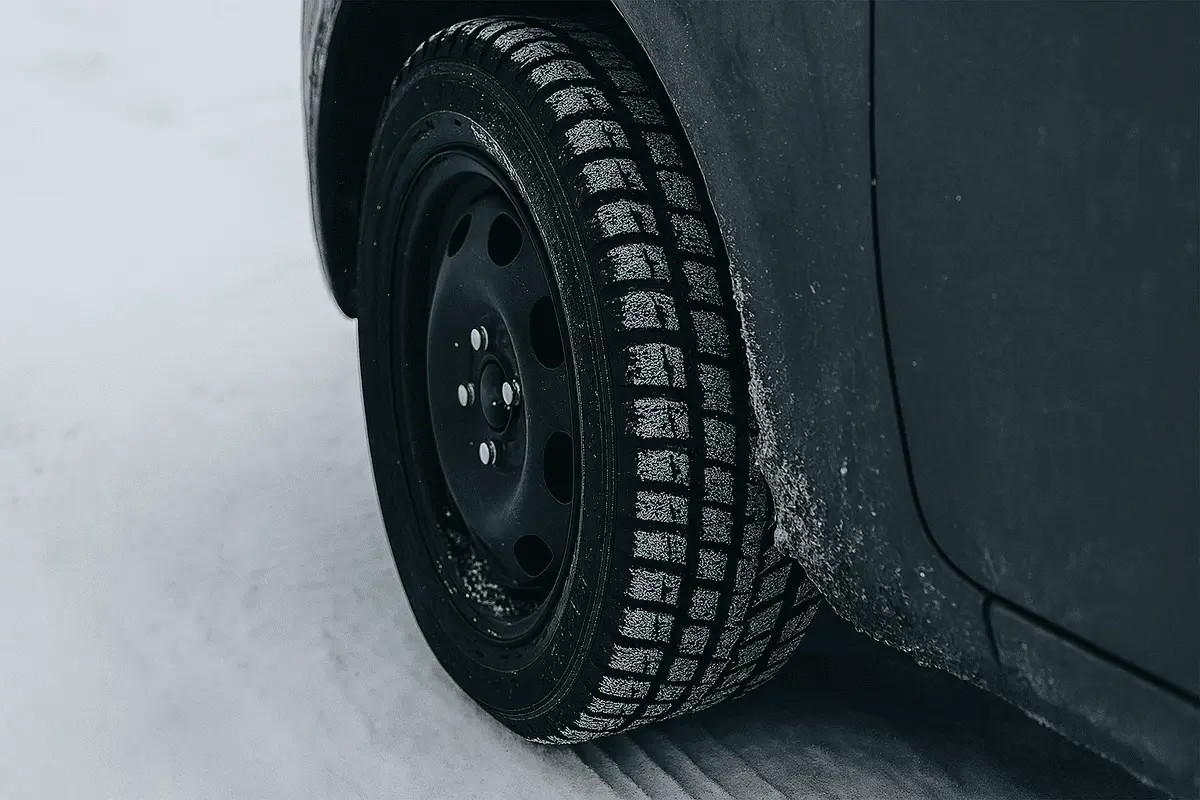
- In winter, tyre pressure can drop faster due to cold weather—monitor more frequently during freezing conditions.
FAQ – Tyre Pressure and TPMS
What happens if I drive with low tyre pressure?
Driving with low tyre pressure compromises grip, increases braking distance, reduces fuel efficiency, and causes uneven tyre wear. It also increases the risk of blowouts.
Do I still need to check tyre pressure if my car has TPMS?
Yes. TPMS is a helpful safety feature, but it may not detect slow leaks or problems with the spare tyre. Manual checks ensure complete accuracy.
How often should I check my tyre pressure?
At least once a month and before long trips. Seasonal temperature changes can affect tyre pressure, so it’s important to check more frequently during extreme weather.
Conclusion
Tyre pressure may seem like a small detail, but it plays a big role in driving safety, efficiency, and comfort. Taking a few minutes each month to check your tyres protects you, your passengers, and your investment. Stay safe on the road—because tyres with the right pressure work better, last longer, and give you peace of mind.
#TyrePressure #CarSafety #TyreCare #DrivingTips
14/05/26
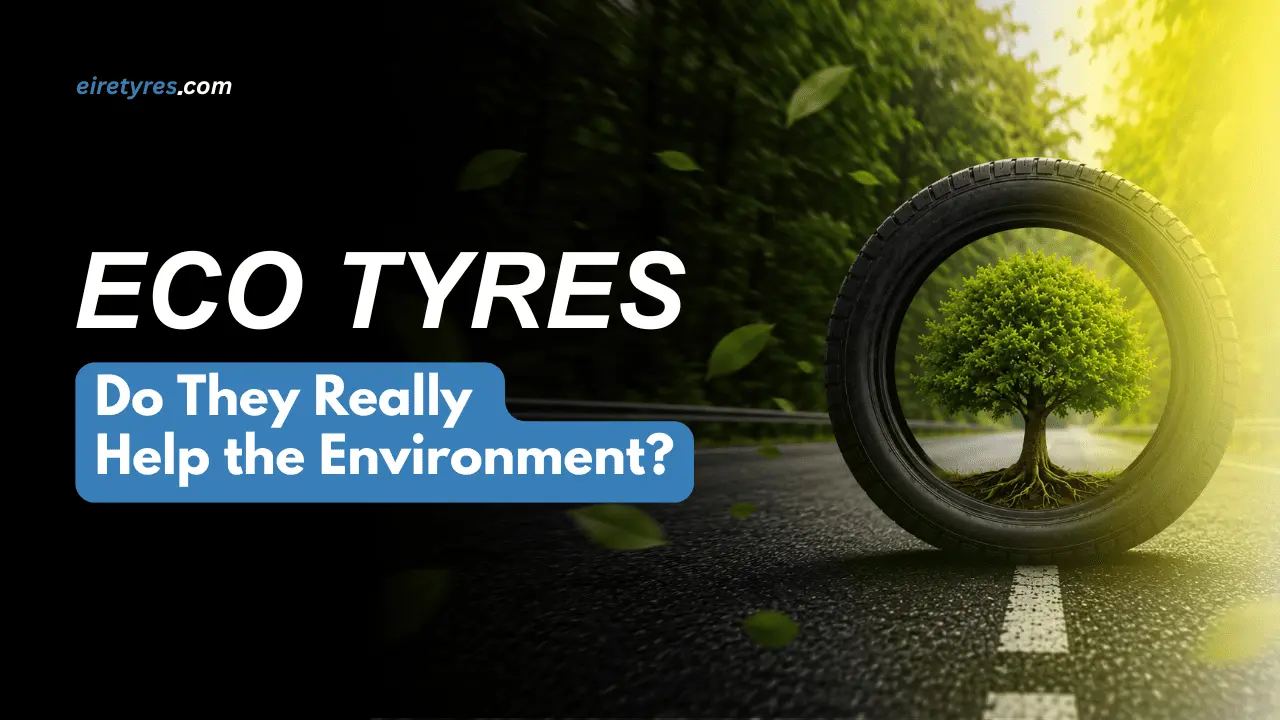
Are Eco Tyres Really Better for the Environment?
Eco tyres can cut fuel use and CO₂ while keeping everyday performance. Read our guide to see if they’re right for your next tyre change.
Read more
Read more
28/04/26
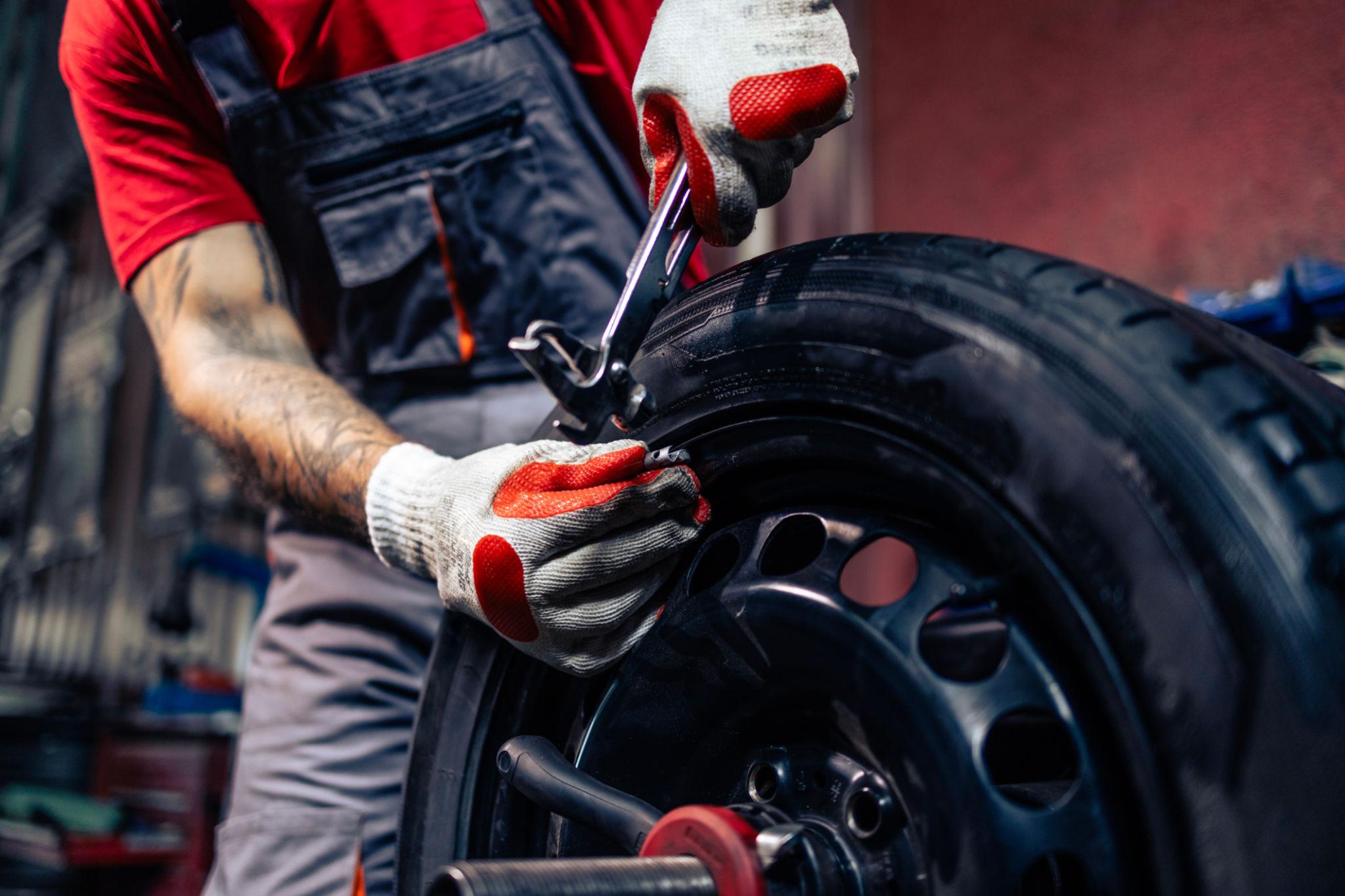
What Is Wheel Balancing and Why It Matters for Your Tyres
Wheel balancing ensures an even weight distribution across your tyres, preventing vibrations, uneven wear, and reduced driving comfort. This article explains how imbalance occurs, the signs to watch for, and why regular balancing is essential for safety, efficiency, and long-term tyre performance.
Read more
Read more
14/04/26
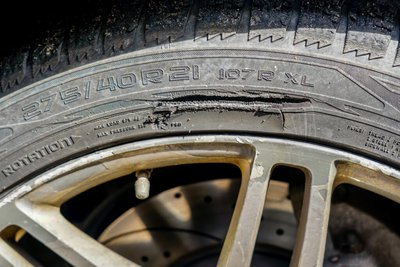
What Causes Tyre Sidewall Damage and How to Prevent It
Read more
Tyre sidewall damage can result from kerbs, potholes, low pressure, or ageing. It often leads to serious safety risks and cannot be repaired. Regular checks, correct inflation, and careful driving help prevent damage and extend tyre life.
Read more

24/03/26
What to Consider When Buying Tyres Online
Read more
Buying tyres online can save money and time, but only if you know what to look for. From choosing the right size to avoiding hidden costs and unreliable sellers, a few key checks make all the difference. This guide highlights what to consider for a confident purchase.
Read more
09/03/26
Tyre Wear, Microplastics, and the Future of Sustainable Tyre Technology
Read more
Tyre wear releases tiny particles that can become microplastics in the environment. This article explains what tyre wear particles are, why they represent an environmental challenge, and how the tyre industry is developing more sustainable technologies, new materials, and designs that reduce environmental impact.
Read more
20 of 20 News