










 %service-partner-advantages-list%
What Is Wheel Balancing and Why It Matters for Your Tyres
28/04/26
Why smooth driving starts with balance
A comfortable drive is not only about engine power or premium tyres. One often overlooked factor plays a major role: wheel balancing. Even high-quality tyres can cause vibrations, noise, and uneven wear if the weight distribution is not correct.
For drivers who regularly switch between summer tyres, winter tyres or all-season tyres, balancing becomes even more important to maintain consistent performance throughout the year.
What wheel balancing actually means
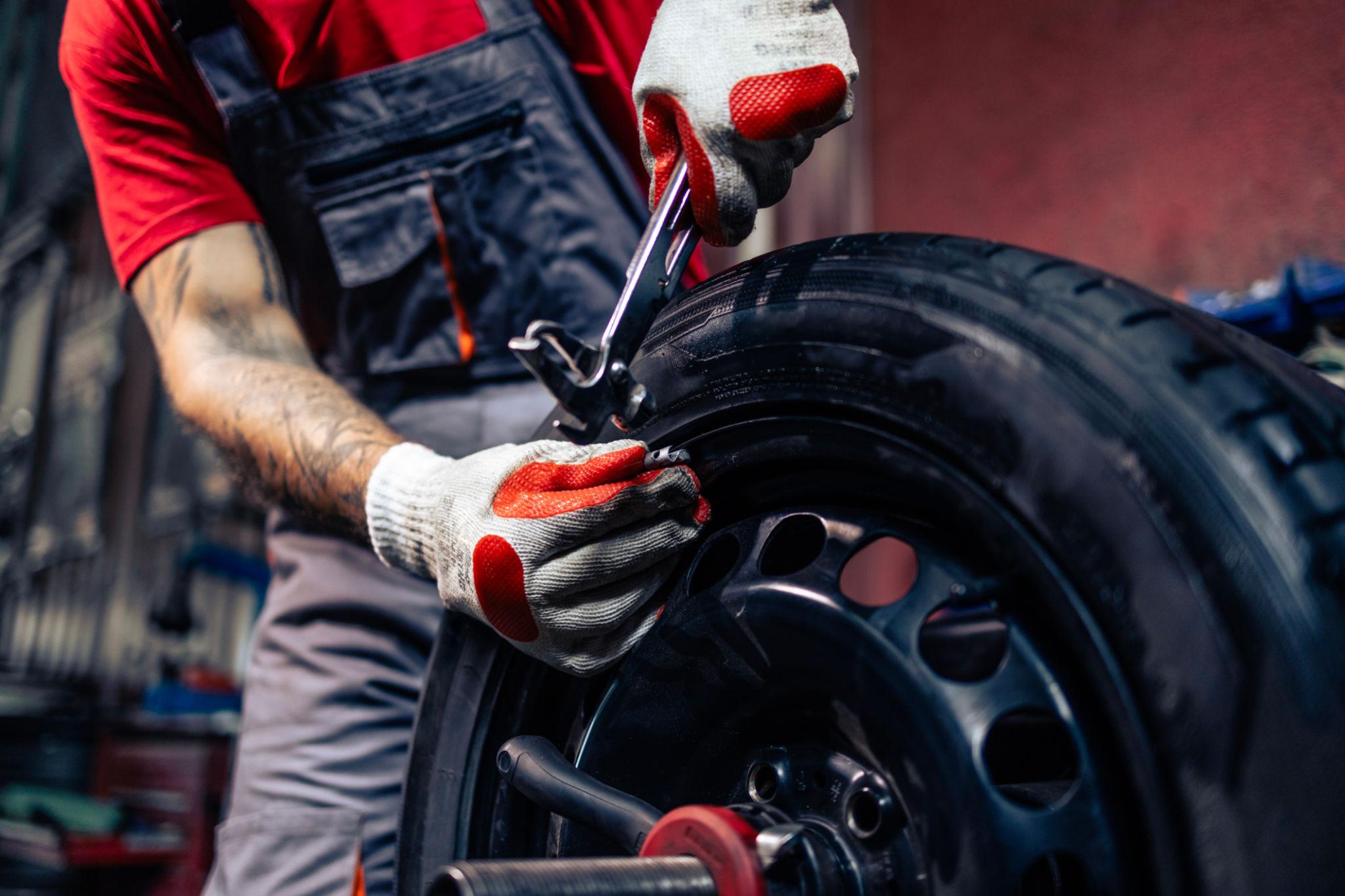
Wheel balancing ensures that the weight of the tyre and rim is evenly distributed around the axle. When a wheel is even slightly unbalanced, it creates centrifugal force while rotating. This leads to noticeable vibrations, especially at higher speeds.
To correct this, technicians use specialised machines that detect uneven weight distribution and apply small counterweights to the rim.
How imbalance develops over time
- Normal tyre wear
- Potholes and road impacts
- Minor manufacturing differences
- Loss of balancing weights
- Seasonal tyre changes
Even careful driving cannot fully prevent imbalance. It is a natural process that develops over time.
Typical signs of unbalanced wheels
- Steering wheel vibrations at speed
- Uneven tyre wear patterns
- Increased road noise
- Slight pulling to one side
- Reduced fuel efficiency
Why proper balancing makes a difference
Driving comfort
Balanced wheels eliminate vibrations and provide a smoother, more controlled driving experience.
Tyre longevity
Even weight distribution prevents irregular tread wear, helping tyres last longer and perform consistently.
Efficiency on the road
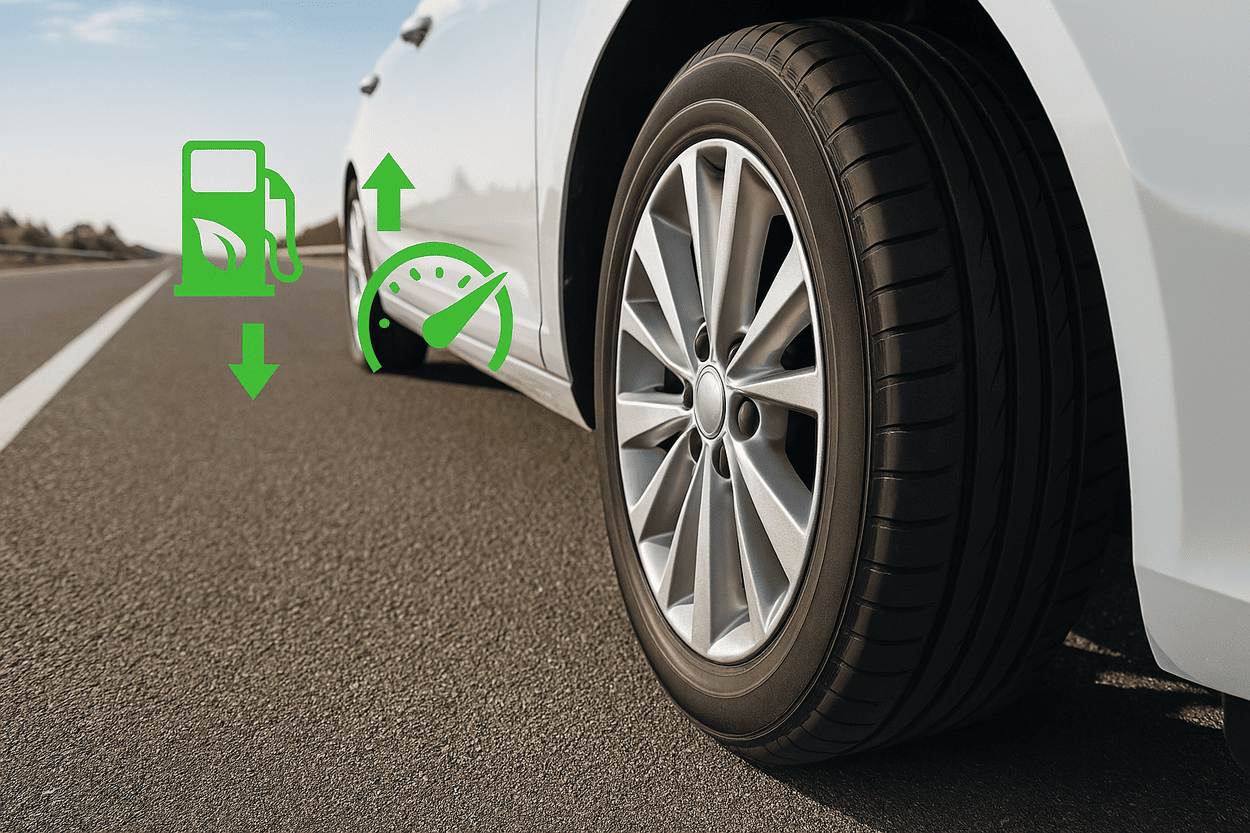
Balanced tyres reduce rolling resistance. This contributes to better efficiency, similar to the benefits explained in this fuel-saving tyre guide.
Improved safety
Stable tyre contact with the road enhances braking, cornering, and overall control.
Balancing vs alignment
Wheel balancing and wheel alignment are often confused, but they solve different problems:
- Balancing: corrects weight distribution
- Alignment: adjusts wheel angles
Both are essential for optimal handling and tyre performance.
When to check your wheel balance
- When installing new tyres
- After seasonal tyre changes
- After hitting a pothole or kerb
- If vibrations occur
- Every 10,000–15,000 km
What happens during the process
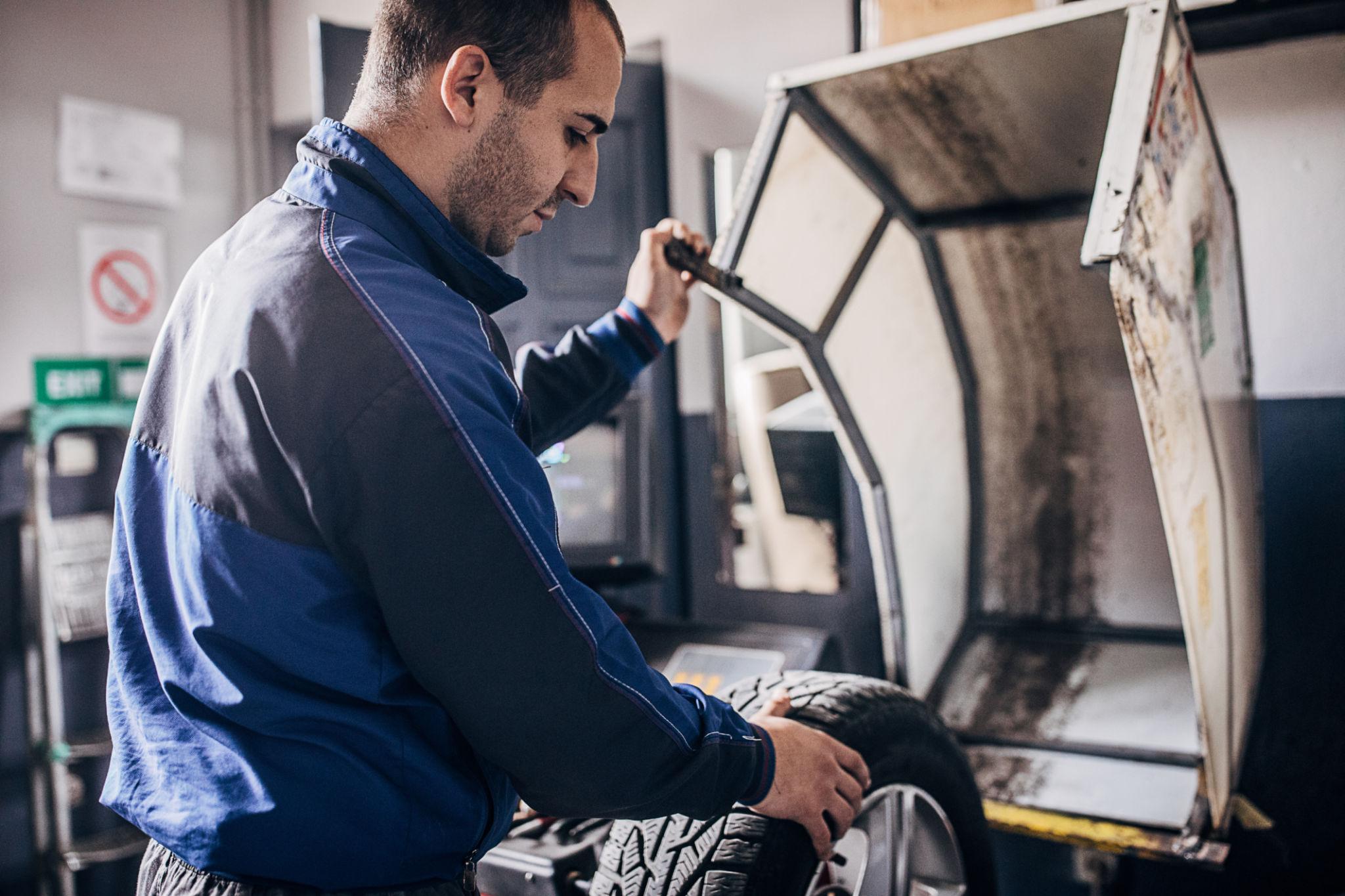
- The wheel is mounted on a balancing machine
- The machine spins the wheel
- Imbalance is measured precisely
- Weights are added to the rim
- The wheel is tested again for accuracy
Final thoughts
Wheel balancing is a small maintenance step with a noticeable impact. It improves comfort, protects your tyres, and supports safer driving. Regular checks ensure your vehicle performs as expected, whether you are commuting daily or covering long motorway distances.
Keeping your wheels properly balanced is one of the simplest ways to maintain performance and avoid unnecessary wear.
14/05/26
Are Eco Tyres Really Better for the Environment?
Eco tyres can cut fuel use and CO₂ while keeping everyday performance. Read our guide to see if they’re right for your next tyre change.
Read more
Read more
28/04/26
What Is Wheel Balancing and Why It Matters for Your Tyres
Wheel balancing ensures an even weight distribution across your tyres, preventing vibrations, uneven wear, and reduced driving comfort. This article explains how imbalance occurs, the signs to watch for, and why regular balancing is essential for safety, efficiency, and long-term tyre performance.
Read more
Read more
14/04/26
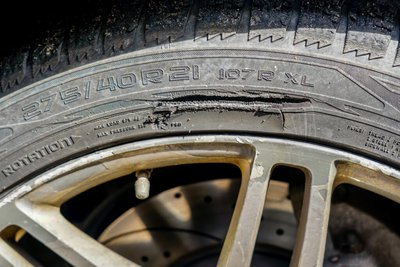
What Causes Tyre Sidewall Damage and How to Prevent It
Read more
Tyre sidewall damage can result from kerbs, potholes, low pressure, or ageing. It often leads to serious safety risks and cannot be repaired. Regular checks, correct inflation, and careful driving help prevent damage and extend tyre life.
Read more

24/03/26
What to Consider When Buying Tyres Online
Read more
Buying tyres online can save money and time, but only if you know what to look for. From choosing the right size to avoiding hidden costs and unreliable sellers, a few key checks make all the difference. This guide highlights what to consider for a confident purchase.
Read more
09/03/26
Tyre Wear, Microplastics, and the Future of Sustainable Tyre Technology
Read more
Tyre wear releases tiny particles that can become microplastics in the environment. This article explains what tyre wear particles are, why they represent an environmental challenge, and how the tyre industry is developing more sustainable technologies, new materials, and designs that reduce environmental impact.
Read more
20 of 20 News