








 %service-partner-advantages-list%
How Old Should My Tyres Be?
19/08/25
Published on: August 19, 2025
Author: Eiretyres Team
Reading Time: 5 minutes
Introduction
If you’re shopping for new tyres or checking your current ones, you’ve probably asked yourself: "How old should my tyres be?"
It’s a fair question — tyre age directly affects safety, grip, and performance. Even if a tyre looks unused, age-related degradation could make it unreliable. Let’s dive into what you really need to know when it comes to tyre age and how to buy smart.
The Key Question: How Old Is Too Old?
- General Recommendation: Tyres should be replaced once they reach 10 years of age, regardless of tread depth or visible condition.
- Best Practice for Safety: Many tyre experts advise annual inspections starting at 5 years old and recommend replacement at no more than 6 to 7 years, especially for high-speed or heavy-load vehicles.
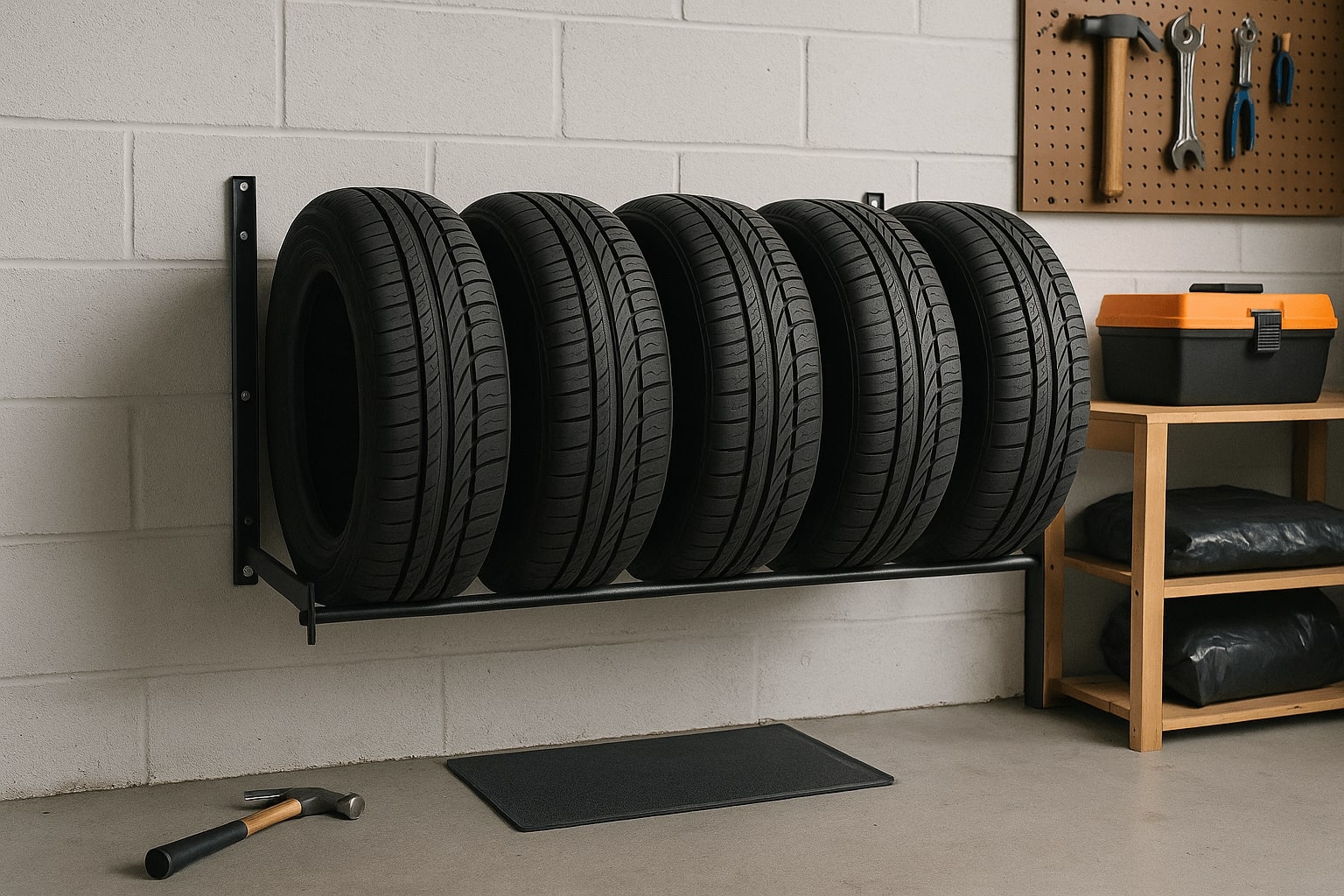
- Storage Matters: Tyres stored properly (cool, dry, dark conditions) can last longer, but even unused tyres age over time.
Tyre Age
| Tyre Age | Action |
|---|---|
| 0–5 years | Safe in most cases if no damage, regularly check for wear |
| 6–10 years | Annual inspection by a professional; replace sooner if signs of ageing |
| 10+ years | Replace immediately—do not use on the road |
What Does “New Tyre” Really Mean?
Many drivers assume that “new” means “fresh from the factory.” In reality, tyre retailers store tyres in climate-controlled warehouses, often for 1–3 years before selling them. According to industry standards, a tyre can be considered “new” for up to five years — as long as it was properly stored and never mounted.
When buying online, it's important to ensure you're getting tyres that meet high storage and quality standards. Trusted retailers like eiretyres.com are transparent about production dates and storage practices.
How to Check Tyre Age (DOT Code)
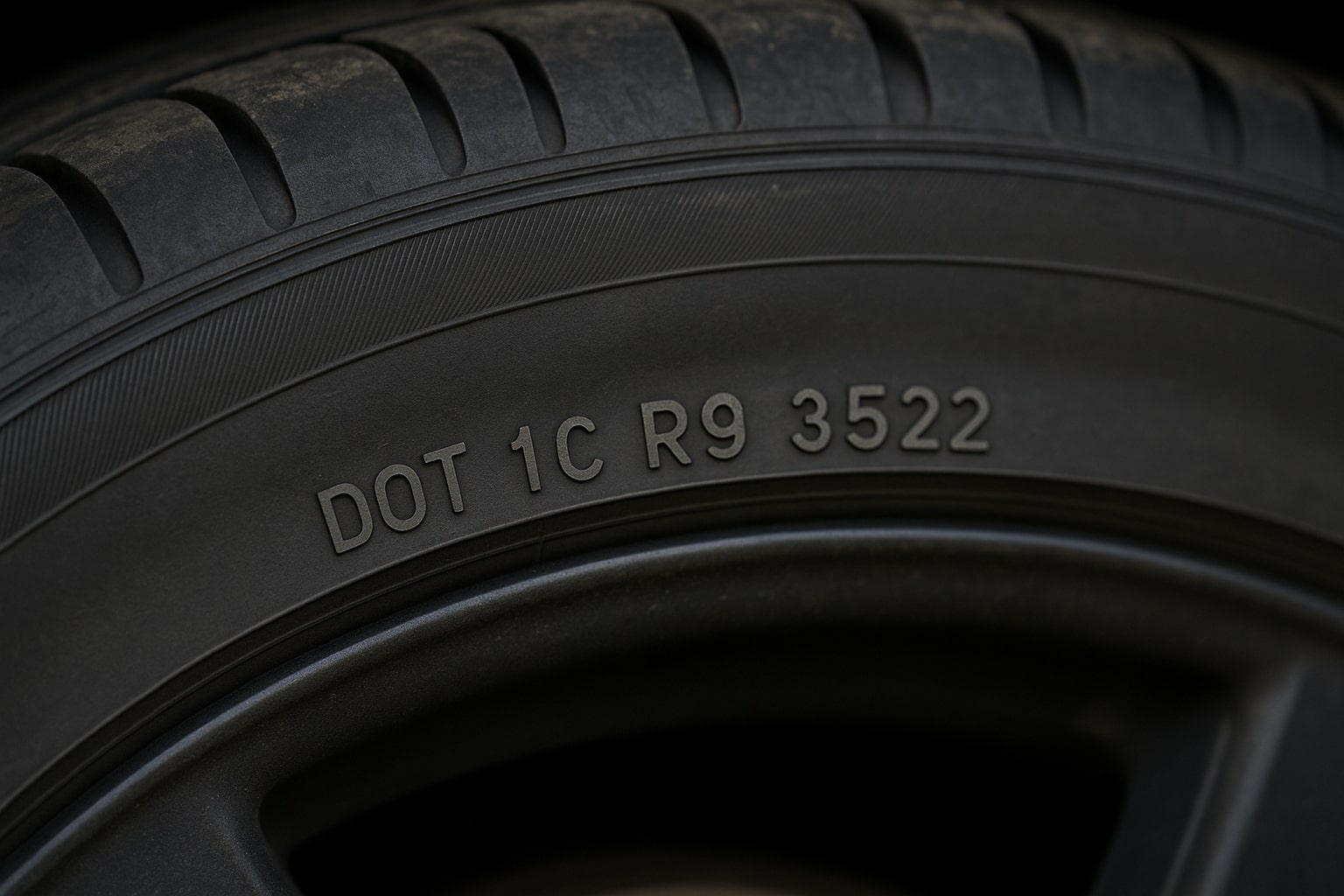
The age of a tyre is written on the sidewall as part of the DOT (Department of Transportation) code. Look for a 4-digit number in an oval. For example:
DOT XXXX XXXX 0922 = manufactured in week 09 of 2022.
A general rule of thumb:
- Under 3 years = ideal
- 4–5 years = still acceptable if stored correctly
- 6+ years = consider replacement, even if unused
Why Age Matters More Than Mileage
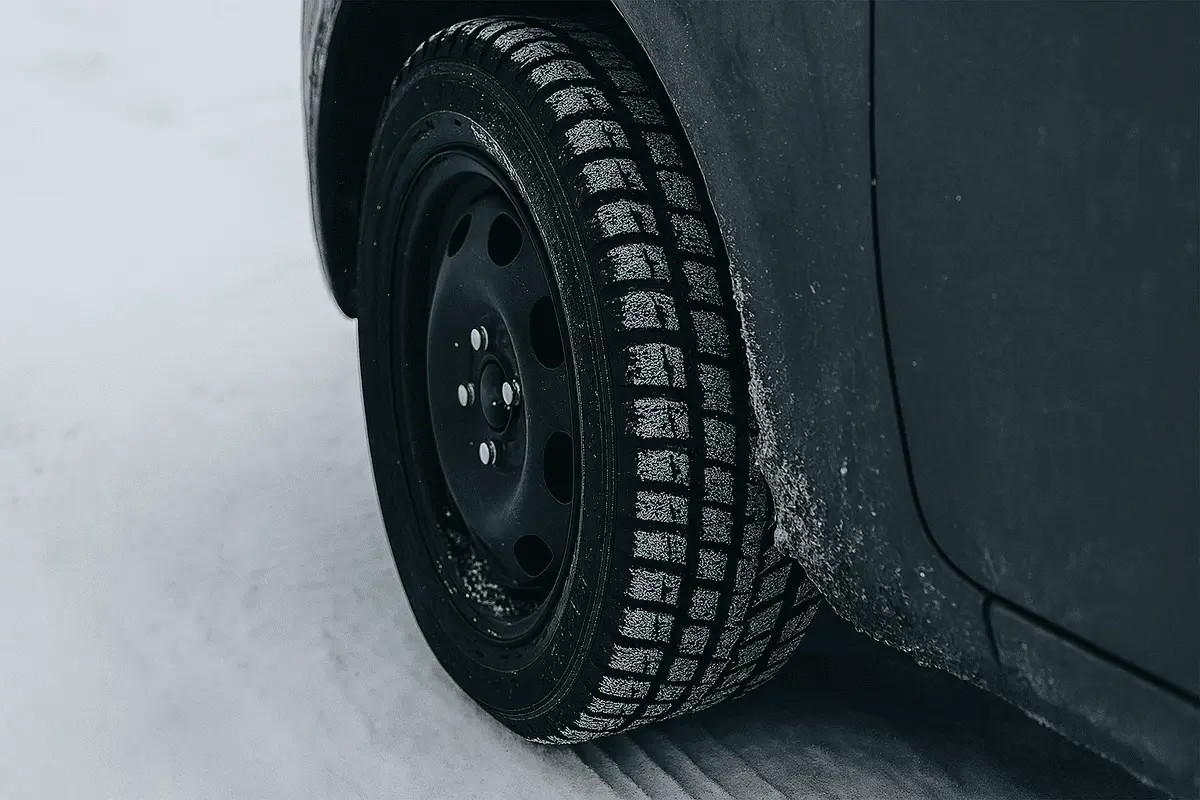
Rubber hardens over time, reducing grip, especially in wet or cold weather. This is particularly important if:
- You drive an SUV in varying terrain
- You live in a climate with temperature extremes
- You don’t drive many miles per year (older tyres still age!)
That’s why many SUV owners opt for all-season or high-performance tyres from this SUV tyre section.
Real-World Tyre Example
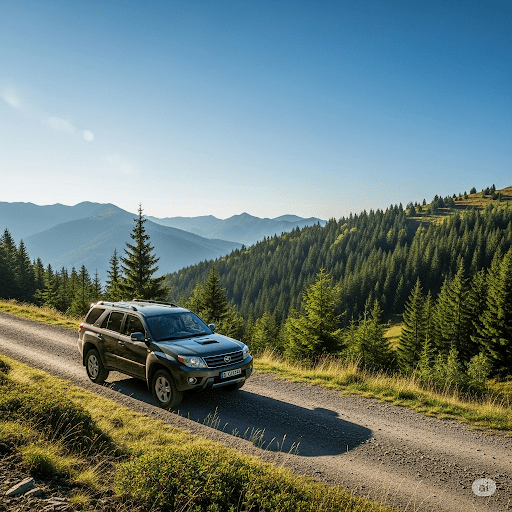
Imagine your SUV is packed and ready for a long weekend drive into the Alps. You want control on winding roads, strong grip in rain, and peace of mind that your tyres won’t give out. That's why age — not just tread depth — matters.
Explore tyres suited for such adventures at eiretyres.com’s 4x4 category.
When Should You Replace “New” Old Tyres?
If a tyre was made more than 5 years ago, think twice. Even if it was never mounted, the chemical properties may have degraded. Also:
- After 10 years, all tyres should be replaced, regardless of use
- For performance vehicles or SUVs, replace closer to the 6-year mark
You can also shop tyres by brand and get info on manufacturing dates directly via this tyre brand search tool.
When Should You Be Concerned?
- After Mounting: Once tyres are mounted, it's recommended not to use them for more than 10 years – regardless of the tread. The rubber compound hardens over time and loses grip.
- Visible Damage: Cracks, deformations, or bulges are always warning signs. In such cases, you should have your tyres checked immediately.
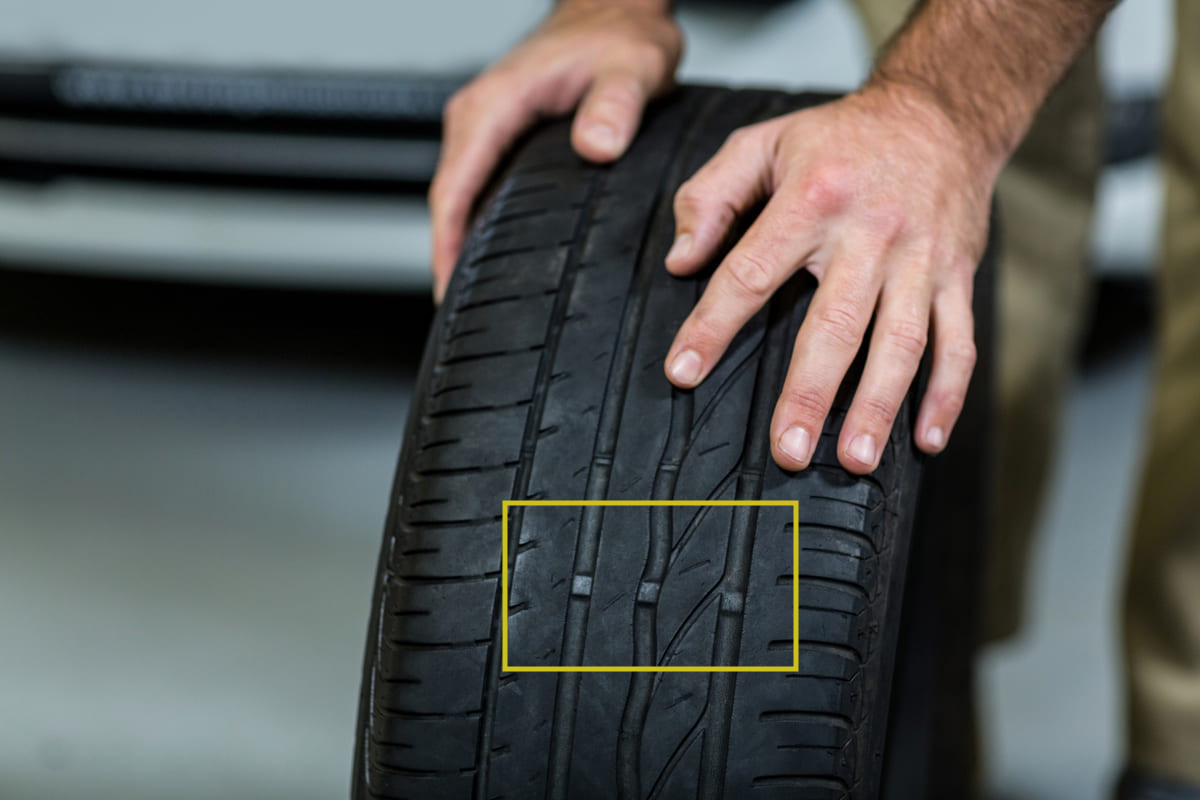
- Low Tread: The legal minimum tread depth is 1.6 mm, but we recommend replacing summer tyres at 3 mm and winter tyres at 4 mm. For the best performance and safety, especially on wet roads, sufficient tread is crucial.
Find Your Perfect Tyres
On www.eiretyres.com, you'll find a huge selection of tyres for every vehicle and every need. Whether you're looking for summer tyres, winter tyres, or all-season tyres, we have the right solution for you.
Not sure which tyres are best suited for your driving style and vehicle? No problem! On www.eiretyres.com, you can browse our wide range and filter tyres by brand, size, or vehicle type.
And if you want to learn more about tyre care to ensure they last longer and perform optimally, check out www.eiretyres.com. We have tips and tricks on how to extend the lifespan of your tyres.
Conclusion: Make Age Part of Your Buying Checklist
When shopping for tyres, don’t just look at tread patterns or size — always ask for the DOT production date. Even “new” tyres need to be fresh enough to give you full value, performance, and most importantly — safety.
By choosing a reputable retailer and checking production codes, you’ll ride smoother and safer, whether you're cruising the Autobahn or exploring the Swiss countryside.
Final Tip
Stick with trusted names, avoid super-old inventory, and make sure your next road trip starts with rubber you can rely on.
#TyreTips #SUVLife #TyreSafety #Reifen #CarCare #OffroadReady #TyreCheck #AllSeasonTyres #CarMaintenance
14/05/26
Are Eco Tyres Really Better for the Environment?
Eco tyres can cut fuel use and CO₂ while keeping everyday performance. Read our guide to see if they’re right for your next tyre change.
Read more
Read more
28/04/26
What Is Wheel Balancing and Why It Matters for Your Tyres
Wheel balancing ensures an even weight distribution across your tyres, preventing vibrations, uneven wear, and reduced driving comfort. This article explains how imbalance occurs, the signs to watch for, and why regular balancing is essential for safety, efficiency, and long-term tyre performance.
Read more
Read more
14/04/26
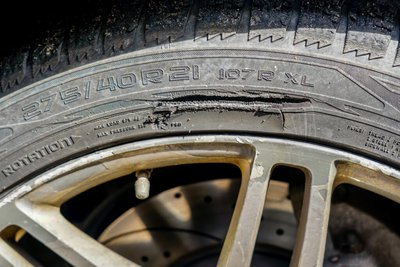
What Causes Tyre Sidewall Damage and How to Prevent It
Read more
Tyre sidewall damage can result from kerbs, potholes, low pressure, or ageing. It often leads to serious safety risks and cannot be repaired. Regular checks, correct inflation, and careful driving help prevent damage and extend tyre life.
Read more

24/03/26
What to Consider When Buying Tyres Online
Read more
Buying tyres online can save money and time, but only if you know what to look for. From choosing the right size to avoiding hidden costs and unreliable sellers, a few key checks make all the difference. This guide highlights what to consider for a confident purchase.
Read more
09/03/26
Tyre Wear, Microplastics, and the Future of Sustainable Tyre Technology
Read more
Tyre wear releases tiny particles that can become microplastics in the environment. This article explains what tyre wear particles are, why they represent an environmental challenge, and how the tyre industry is developing more sustainable technologies, new materials, and designs that reduce environmental impact.
Read more
20 of 20 News