







 %service-partner-advantages-list%
How to Save Fuel with Energy-Efficient Tyres
24/11/25
Published on: November 24, 2025
Author: Eiretyres Team
Reading Time: 5 minutes
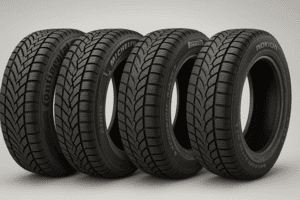
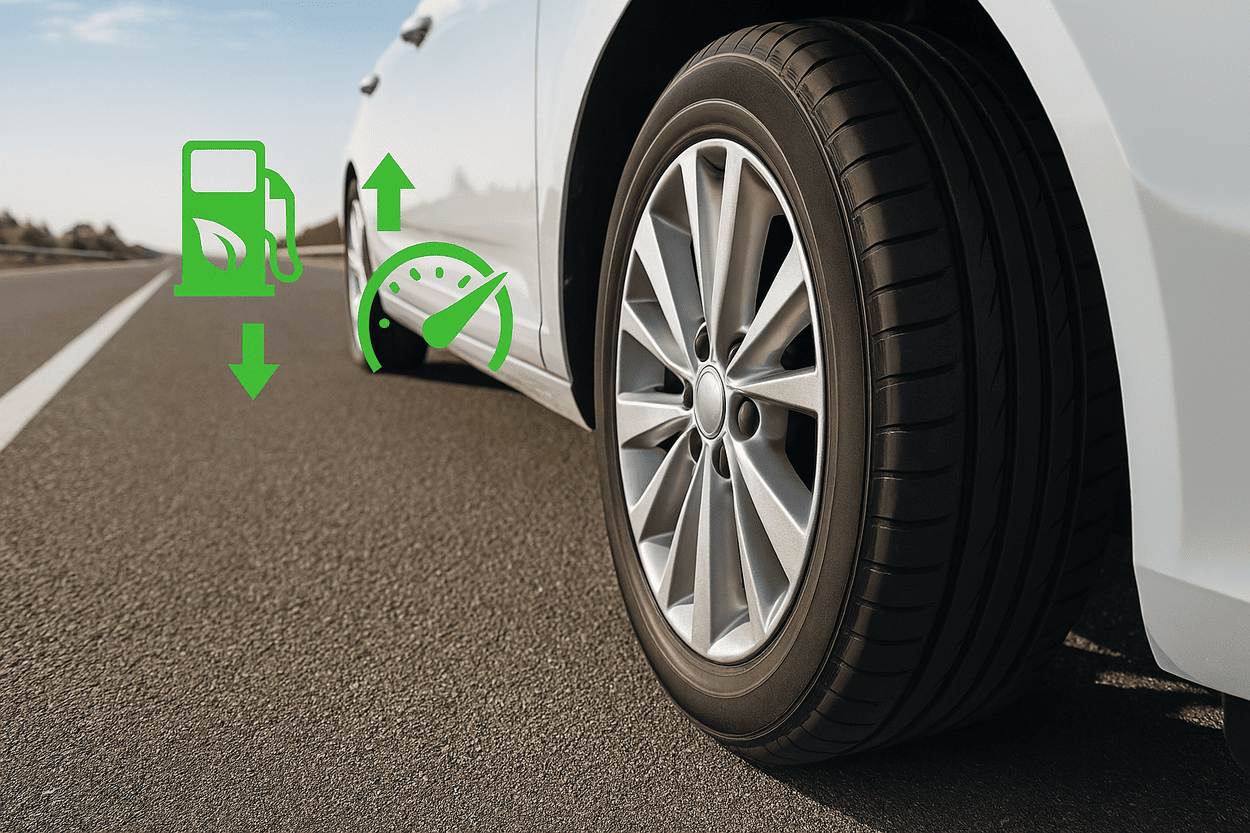
Fuel prices continue to rise, and drivers everywhere are looking for ways to cut costs without sacrificing safety or comfort. While many focus on driving habits or vehicle maintenance, one often overlooked factor is the tyres themselves. Energy-efficient tyres, sometimes called “low rolling resistance tyres,” are designed to reduce the amount of energy needed to keep a car moving. By making a smart choice in tyres, motorists can save fuel, lower emissions, and enjoy a smoother ride. This article explores how energy-efficient tyres work, why they matter, and how you can maximize their benefits.
Understanding Energy-Efficient Tyres
Energy-efficient tyres are engineered to minimize rolling resistance—a value measured in kilograms per tonne which tells us how much friction occurs at the contact area between the wheel and the ground. This friction results in energy losses in the form of heat. Around 35% of all fuel consumed by a vehicle goes toward overcoming rolling resistance. Luckily, certain modern designs use advanced rubber compounds, optimized tread patterns, and lighter construction to reduce this loss.
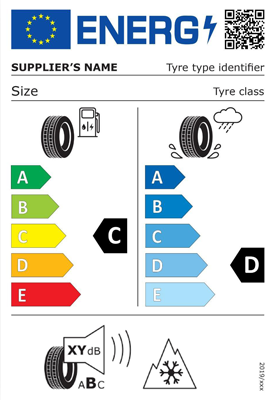
In Europe, the EU tyre labelling system helps consumers identify efficiency levels. Each tyre is rated for fuel efficiency, wet grip, and external noise. The fuel efficiency rating runs from A (most efficient) to E (least efficient). Choosing a tyre with a higher rating can make a measurable difference in fuel consumption.
These tyres are not just about saving money; they represent a broader shift toward sustainable mobility. Manufacturers are investing in eco-friendly materials and designs that balance efficiency with safety, ensuring drivers don’t have to compromise.
How Tyres Influence Fuel Consumption
The connection between tyres and fuel use is straightforward: the less energy wasted in rolling, the less fuel the engine needs to burn. Several factors play a role:
-
Rolling Resistance: When tyres deform as they roll, they consume energy. Energy-efficient tyres reduce this deformation, meaning less drag and lower fuel consumption. The difference in rolling resistance between the highest fuel-efficiency class, A, and the lowest, G, is about 5.5 kilograms per tonne. In practice, a class A tyre heats up to a lesser extent, especially on long routes. As a result, fuel savings can reach up to 7.5%. In real numbers, that is roughly 6 litres per every 1,000 kilometres.
-
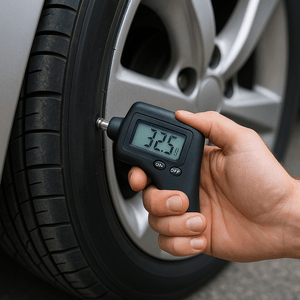
Tyre Pressure: Underinflated tyres increase rolling resistance dramatically. Low tyre pressure increases the sagging of the tyre and reduces the stability of the tread blocks when in contact with the road. A pressure reduced by 0.3 bar below the recommended value increases rolling resistance by approximately 6%. If the tyre pressure is reduced by one bar below the recommended level, rolling resistance increases by 30%. Even the best energy-efficient tyre will lose its advantage if not properly inflated.
-
Weight and Size: Wider or heavier tyres create more friction with the road. The lower the weight of the tyre, the lower the fuel consumption. Lower weight can be achieved with a lower tread depth, by using narrower tyres or tyres with a lower profile. However, there are nuances: the tyre sizes recommended by the vehicle manufacturer, the need for tyres to match the winter or summer season, wheel rims, and road traffic regulations. For example, in some European countries studded tyres are prohibited.
-
Tyre Construction: The shape and design of the tyre’s tread pattern, the composition of the rubber compound, the stiffness of the tyre, and the shape of the tyre’s contact patch with the road - these elements alone in some tyre models increase rolling resistance by more than 60% compared to other, more energy-efficient tyre models.
Benefits of Energy-Efficient Tyres
Switching to energy-efficient tyres offers multiple advantages:
-
Fuel Savings: Depending on driving style and conditions, motorists can save up to 0.5 liters of fuel per 100 km. Over a year, this could mean hundreds of euros saved.
-
Environmental Impact: Lower fuel consumption translates into reduced CO₂ emissions. For eco-conscious drivers, this is a tangible way to contribute to sustainability.
-
Safety and Performance: Modern energy-efficient tyres are designed to balance efficiency with grip. While early models sometimes sacrificed wet performance, today’s tyres meet strict EU safety standards.
-
Cost Efficiency: Although these tyres may cost slightly more upfront, the long-term savings in fuel and durability often outweigh the initial expense.
In short, energy-efficient tyres are not just a financial investment but also an environmental one.
Choosing the Right Energy-Efficient Tyres
Selecting the right tyre requires more than just picking the highest efficiency rating. Drivers should consider:
-
Reading Labels: The EU label provides clear information on fuel efficiency, wet grip, and noise. A tyre rated “A” for fuel efficiency and “B” for wet grip offers a strong balance.
-
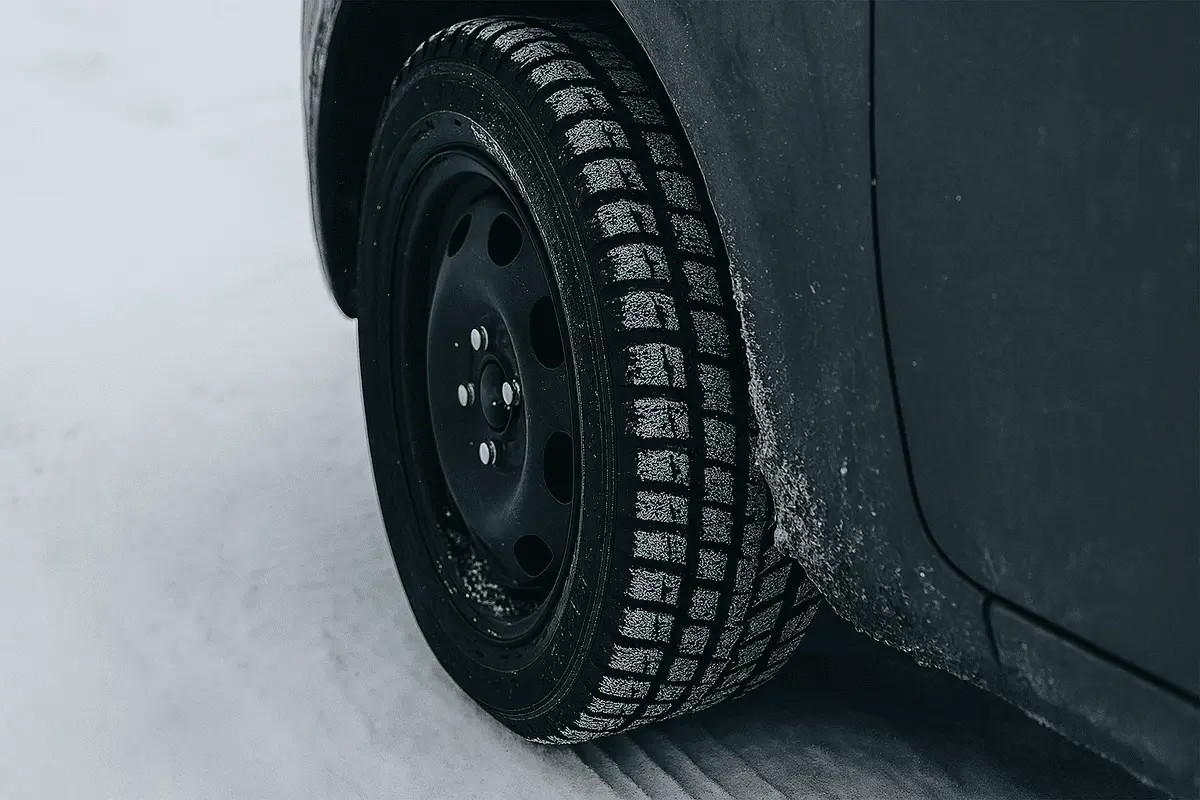
Seasonal Considerations: Winter tyres generally have higher rolling resistance due to deeper tread patterns. However, many manufacturers now offer energy-efficient winter options.
-
Brand and Certification: Reputable brands often invest more in research and compliance. Look for tyres certified under EU regulations or recommended by independent testing organizations.
-
Driving Style and Vehicle Type: A city commuter may prioritize efficiency, while a driver in mountainous regions may need tyres that balance grip and durability.
By matching tyres to your driving conditions, you maximize both safety and savings.
Our Recommendations
If you’re considering an upgrade, several tyre models stand out in 2025 for their energy efficiency. Choosing one of following models ensures not only lower fuel consumption but also compliance with EU labelling standards, making them a smart investment for cost savings and sustainability:
| Model | Efficiency Focus | Best Use Case | Key Features |
|---|---|---|---|
| Continental UltraContact NXT | Low rolling resistance | Everyday driving | Up to 65% sustainable materials; strong EU label ratings |
| Bridgestone Turanza 6 | Fuel efficiency + wet grip | Long-distance touring | Excellent balance of safety and economy; tested for European roads |
| Michelin e.Primacy | Optimized for EVs and ICE cars | Eco-conscious drivers | Carbon-neutral at production stage |
| Goodyear EfficientGrip Performance 2 | Extended mileage + efficiency | Urban commuters | Durable; strong wet braking performance |
| Falken e.Ziex | EV-focused efficiency | Electric vehicles | Quiet running and reduced energy loss |
| Hankook iON Evo | EV load handling | Premium EVs | Reinforced for heavier EVs; low noise |
| Yokohama Advan Sport EV V108 | Performance + efficiency | Sporty EVs | Balances grip with reduced rolling resistance |
Invest in energy-efficient tyres
Energy-efficient tyres are a simple yet powerful way to save fuel, reduce emissions, and cut costs. By understanding how they work, choosing the right models, and maintaining them properly, drivers can enjoy both economic and environmental benefits.
As technology advances, the future looks even brighter. Innovations such as smart tyres that monitor pressure and wear, or sustainable materials like bio-based rubber, promise to make driving greener and more efficient.
For now, the message is clear: if you want to save fuel without compromising safety, energy-efficient tyres are one of the smartest investments you can make.
14/05/26
Are Eco Tyres Really Better for the Environment?
Eco tyres can cut fuel use and CO₂ while keeping everyday performance. Read our guide to see if they’re right for your next tyre change.
Read more
Read more
28/04/26
What Is Wheel Balancing and Why It Matters for Your Tyres
Wheel balancing ensures an even weight distribution across your tyres, preventing vibrations, uneven wear, and reduced driving comfort. This article explains how imbalance occurs, the signs to watch for, and why regular balancing is essential for safety, efficiency, and long-term tyre performance.
Read more
Read more
14/04/26
What Causes Tyre Sidewall Damage and How to Prevent It
Read more
Tyre sidewall damage can result from kerbs, potholes, low pressure, or ageing. It often leads to serious safety risks and cannot be repaired. Regular checks, correct inflation, and careful driving help prevent damage and extend tyre life.
Read more

24/03/26
What to Consider When Buying Tyres Online
Read more
Buying tyres online can save money and time, but only if you know what to look for. From choosing the right size to avoiding hidden costs and unreliable sellers, a few key checks make all the difference. This guide highlights what to consider for a confident purchase.
Read more
09/03/26
Tyre Wear, Microplastics, and the Future of Sustainable Tyre Technology
Read more
Tyre wear releases tiny particles that can become microplastics in the environment. This article explains what tyre wear particles are, why they represent an environmental challenge, and how the tyre industry is developing more sustainable technologies, new materials, and designs that reduce environmental impact.
Read more
20 of 20 News