









 %service-partner-advantages-list%
What Causes Tyre Sidewall Damage and How to Prevent It
14/04/26
Date: April 14, 2026 | Author: Eiretyres Editorial Team | Reading time: 9–11 minutes
Tyres are the only point of contact between your vehicle and the road, yet one of their most vulnerable areas is often overlooked - the sidewall. While drivers tend to focus on tread wear, grip, or seasonal performance, tyre sidewall damage can quietly develop and lead to serious safety risks.
From unexpected blowouts to reduced handling stability, damaged sidewalls are not something to ignore. Understanding what causes this type of damage - and how to prevent it - can help extend tyre life, improve safety, and avoid costly replacements.
This guide explains the most common causes of tyre sidewall damage, how to recognize early warning signs, and what practical steps you can take to prevent it.
What Is Tyre Sidewall Damage?
The sidewall is the vertical part of the tyre between the tread and the rim. It provides structural support, absorbs road shocks, and maintains flexibility while driving.
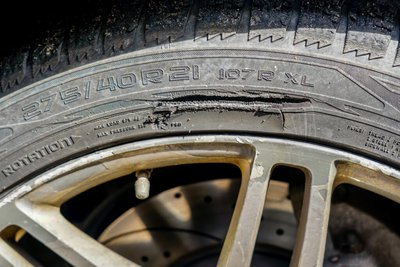
Sidewall damage refers to any visible or internal harm to this section. This may appear as cracks, cuts, bulges, or surface abrasions. In many cases, the damage is not only cosmetic but affects the internal structure of the tyre.
Unlike tread damage, sidewall issues cannot usually be repaired safely. In most situations, a damaged sidewall means the tyre must be replaced.
Common Causes of Tyre Sidewall Damage
1. Impact with Kerbs
One of the most frequent causes of sidewall damage is contact with kerbs, especially during parking or tight manoeuvres. Even at low speeds, the impact can weaken the tyre’s internal structure and create small but critical stress points. Over time, this may lead to cuts, abrasions, or visible bulges.
Repeated kerb contact increases the risk significantly, particularly with modern low-profile tyres where the sidewall is thinner.
2. Potholes and Road Hazards
Potholes are among the biggest threats to tyre sidewalls. When a tyre hits a deep pothole, it is forced sharply against the rim, which can damage internal cords or create weak spots that later develop into bubbles.
In addition, road debris such as sharp stones, metal fragments, or broken glass can cut into the sidewall, often without immediate notice.
3. Underinflation
Driving with incorrect tyre pressure - especially too low - is one of the most damaging habits for tyres. Underinflated tyres flex more than they should, generating excessive heat and putting continuous strain on the sidewalls.
Over time, this constant stress weakens the material, leading to cracks or structural failure. Maintaining proper tyre pressure is therefore essential. You can explore suitable replacements and specifications on the tyres section to ensure compatibility with your vehicle.
4. Overloading the Vehicle
Every tyre is designed to carry a specific load. When this limit is exceeded, the sidewalls are forced to bear more weight than intended. This often happens during long trips, moving heavy items, or when tyres are not correctly matched to the vehicle.
Overloading leads to deformation and increases the risk of long-term structural damage.
5. Ageing and Environmental Factors
Even tyres that are not used frequently will degrade over time. Exposure to sunlight, temperature fluctuations, moisture, and chemicals gradually breaks down the rubber compound.
This process makes the sidewall more rigid and prone to cracking, reducing its ability to absorb impacts and maintain flexibility.
6. Driving on Poor Road Surfaces
Regular driving on rough or damaged roads exposes tyres to continuous stress. Uneven surfaces, gravel roads, and construction zones increase the likelihood of cuts, abrasions, and internal damage.
Over time, these conditions weaken the tyre structure, especially in the sidewall area.
7. Incorrect Tyre Fitment
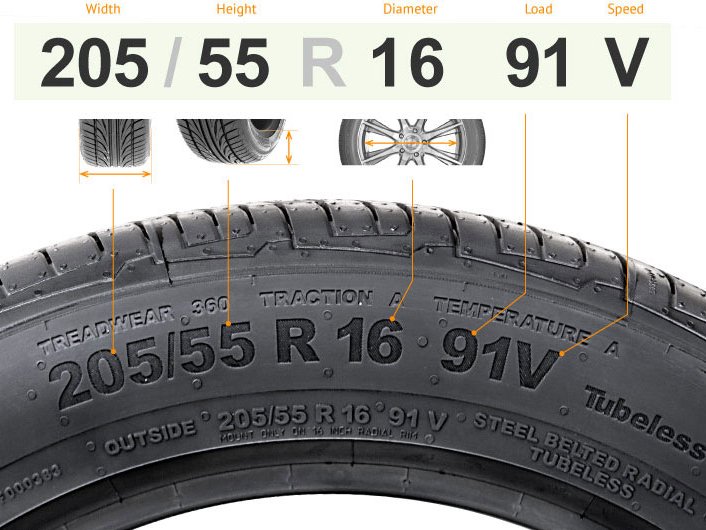
Using tyres that do not match your vehicle’s specifications can also contribute to sidewall damage. Incorrect sizing, load index, or speed rating creates additional strain during normal driving conditions.
Choosing the right tyre type is essential for both safety and durability. Browse all-season tyres or other categories to match your driving needs.
How to Identify Sidewall Damage
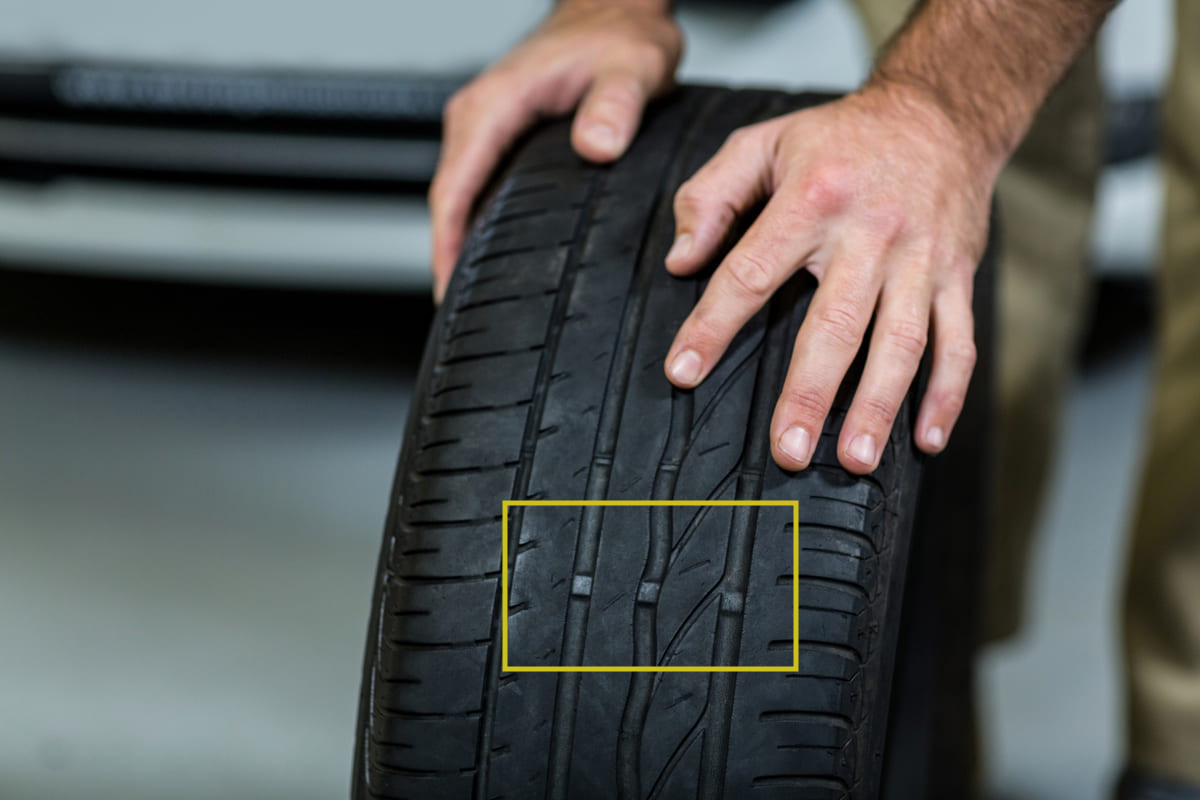
Early detection is key to preventing serious issues. A simple visual inspection can reveal warning signs such as bulges, cracks, or cuts. Bulges often indicate internal damage, while cracks are typically linked to ageing or environmental exposure.
Any unusual markings, discoloration, or deformation should be taken seriously. If in doubt, it is always safer to have the tyre checked by a professional.
Can Tyre Sidewall Damage Be Repaired?
In most cases, the answer is no. Unlike tread punctures, sidewall damage compromises the tyre’s structural integrity.
The sidewall is constantly flexing during driving, and even small repairs cannot restore its original strength. Additionally, internal damage is often invisible, making it impossible to guarantee safety after a repair.
For this reason, replacement is usually the only reliable and recommended solution.
How to Prevent Tyre Sidewall Damage
- Maintain Proper Tyre Pressure
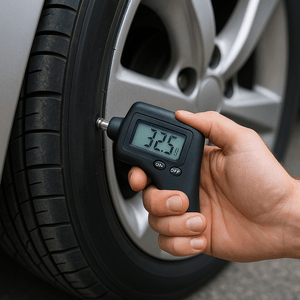
Checking tyre pressure regularly is one of the simplest yet most effective ways to protect your tyres. Always follow the manufacturer’s recommended values rather than relying on the maximum pressure printed on the tyre.
- Avoid Kerb Contact
Careful parking makes a significant difference. Approaching kerbs slowly and maintaining awareness of wheel positioning helps reduce unnecessary impact and long-term damage.
- Drive Carefully on Poor Roads
Reducing speed on uneven surfaces allows your tyres to absorb impacts more effectively. When possible, avoid potholes and keep enough distance from other vehicles to spot hazards early.
- Do Not Overload Your Vehicle
Respecting load limits protects both your tyres and your vehicle. Always consider how weight is distributed and ensure that your tyres are rated appropriately for the load.
- Choose the Right Tyres
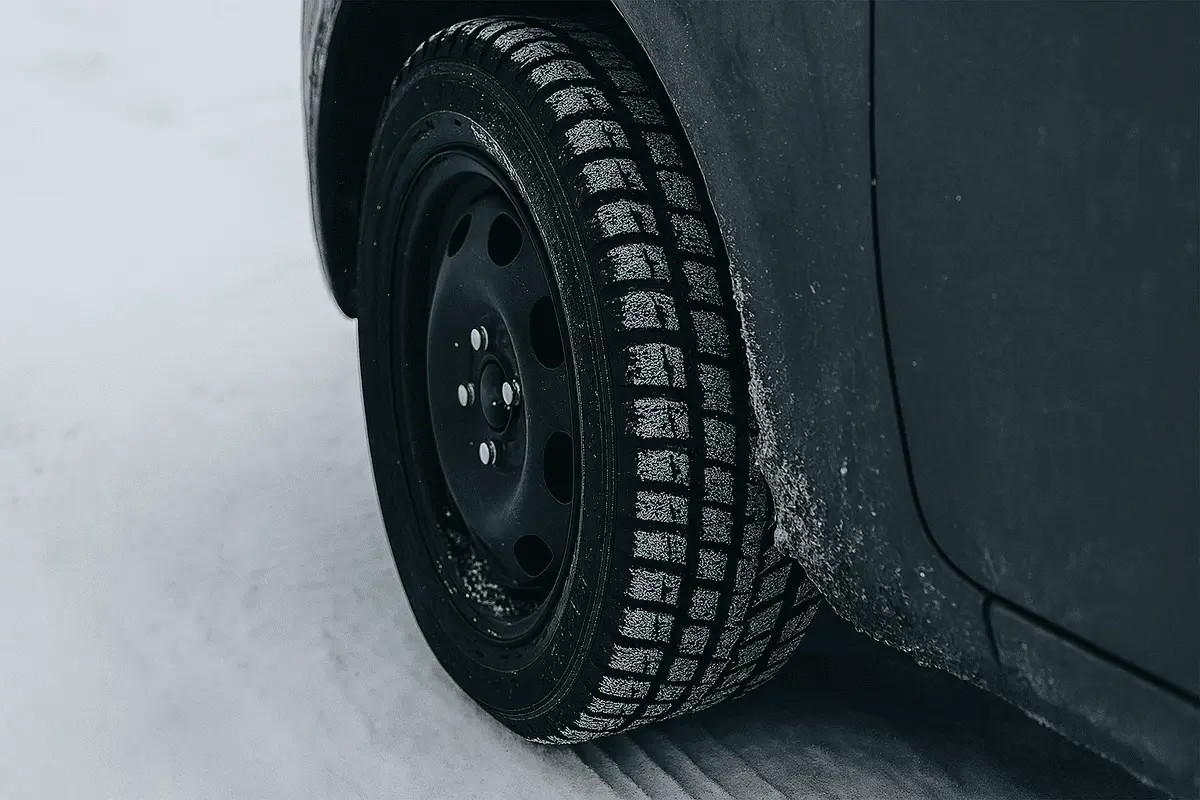
Using tyres suited to your driving conditions improves both performance and durability. For colder conditions, consider options like winter tyres, which are designed to handle lower temperatures and challenging road surfaces.
- Inspect Tyres Regularly
Regular inspections help identify early signs of damage before they become serious problems. Pay attention not only to tread wear but also to the condition of the sidewalls.
- Protect Tyres from Environmental Damage
If your vehicle is parked for extended periods, storing it in a shaded or covered area helps reduce exposure to sunlight and harsh weather conditions. This slows down the ageing process of the rubber.
Why Sidewall Damage Should Never Be Ignored
Driving with a damaged sidewall is a serious safety risk. Unlike gradual tread wear, sidewall failure can occur suddenly and without warning.
This can result in blowouts, loss of control, and significantly increased stopping distances, all of which raise the risk of accidents.
Protect Your Tyres, Protect Your Safety
Tyre sidewall damage is more common than many drivers realize, yet it remains one of the most dangerous forms of tyre wear. Factors such as kerb impacts, potholes, incorrect pressure, and ageing all contribute to weakening the sidewall over time.
The best protection lies in consistent care and awareness. Regular maintenance, careful driving, and choosing the right tyres for your needs will significantly reduce the risk of damage.
When it comes to tyre safety, there are no shortcuts. If a sidewall shows signs of damage, replacement is the safest decision. Taking care of your tyres ensures safer, smoother journeys every time you hit the road.
#TyreSafety #CarMaintenance #DrivingTips #RoadSafety #TyreCare #AutoAdvice #SafeDriving #VehicleMaintenance

14/05/26
Are Eco Tyres Really Better for the Environment?
Eco tyres can cut fuel use and CO₂ while keeping everyday performance. Read our guide to see if they’re right for your next tyre change.
Read more
Read more
28/04/26
What Is Wheel Balancing and Why It Matters for Your Tyres
Wheel balancing ensures an even weight distribution across your tyres, preventing vibrations, uneven wear, and reduced driving comfort. This article explains how imbalance occurs, the signs to watch for, and why regular balancing is essential for safety, efficiency, and long-term tyre performance.
Read more
Read more
14/04/26
What Causes Tyre Sidewall Damage and How to Prevent It
Read more
Tyre sidewall damage can result from kerbs, potholes, low pressure, or ageing. It often leads to serious safety risks and cannot be repaired. Regular checks, correct inflation, and careful driving help prevent damage and extend tyre life.
Read more

24/03/26
What to Consider When Buying Tyres Online
Read more
Buying tyres online can save money and time, but only if you know what to look for. From choosing the right size to avoiding hidden costs and unreliable sellers, a few key checks make all the difference. This guide highlights what to consider for a confident purchase.
Read more

09/03/26
Tyre Wear, Microplastics, and the Future of Sustainable Tyre Technology
Read more
Tyre wear releases tiny particles that can become microplastics in the environment. This article explains what tyre wear particles are, why they represent an environmental challenge, and how the tyre industry is developing more sustainable technologies, new materials, and designs that reduce environmental impact.
Read more
20 of 20 News