









 %service-partner-advantages-list%
What You Need to Know About Run-Flat Tyres
27/10/25
Published on: October 27, 2025
Author: Eiretyres Team
Reading Time: 5 minutes
Few upgrades change how you feel behind the wheel like run-flat tyres. A puncture no longer means pulling over on a dark shoulder to swap wheels. Run-flats are designed to keep you moving safely for a limited distance after losing pressure. Below, you’ll find a clear guide to how they work, the key benefits and trade-offs, and smart fitment tips so you can decide if they match your car and driving style.
What Are Run-flat Tyres?
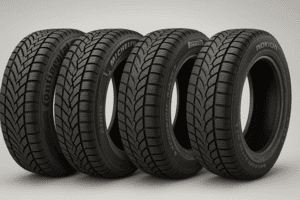
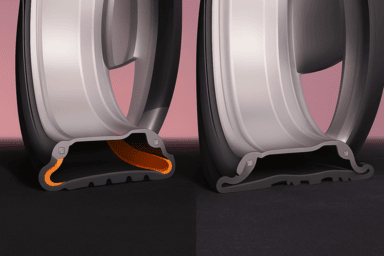
Run-flat tyres are engineered to support your vehicle even after a sudden loss of air. Most use a self-supporting sidewall construction that carries the vehicle’s weight temporarily when pressure drops to near zero. A second, less common design uses a support ring mounted on a special wheel to hold the tyre up after deflation.
How Do They Work?
- Reinforced sidewalls: Extra rubber and heat-resistant compounds reduce sidewall collapse when pressure is lost.
- Bead locking: Sturdier beads help keep the tyre seated on the rim during a deflation event.
- TPMS pairing: A tyre pressure monitoring system alerts you the moment pressure drops so you can slow down and plan a safe stop.
Typical manufacturer guidance is up to 80 km (50 miles) at a maximum of 80 km/h (50 mph) after a puncture. Always follow your vehicle and tyre maker’s limits.
Pros and Cons
| Advantages | Considerations |
|---|---|
|
|
Are Run-flats Right for Your Car?
- Check your handbook: Some models are engineered for Run-flats from the factory. Others can use them if TPMS is fitted and the wheels are suitable.
- Don’t mix types: Fit Run-flats on all four corners. Mixing standard and run-flat tyres can upset handling.
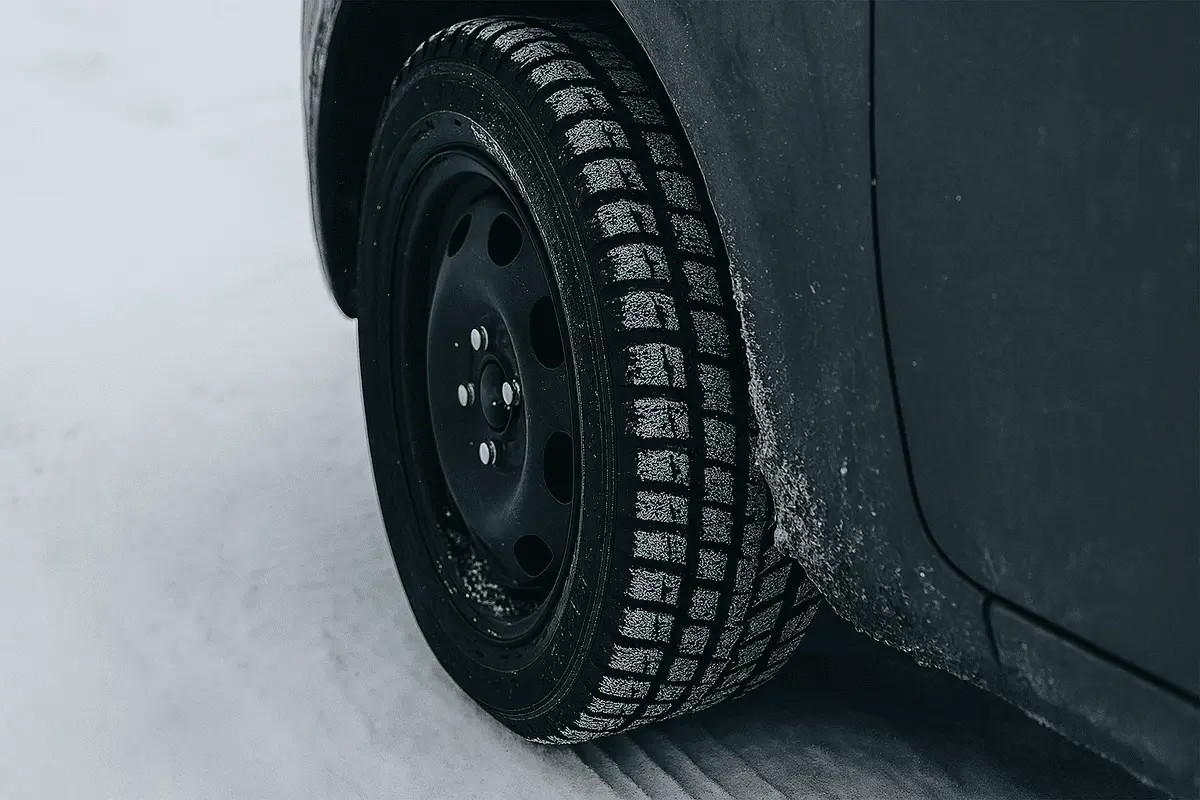
- Match the season: Choose winter, summer, or all-season run-flat patterns for your climate.
Driving After a Puncture
When the TPMS light comes on, slow to moderate speeds and avoid sharp steering. Head for a tyre specialist within the stated distance limit. If the tyre has been driven on while fully deflated, it often must be replaced because internal structures may be heat-damaged.
Maintenance Tips
- TPMS health: Keep sensors working and batteries fresh so you get instant alerts.
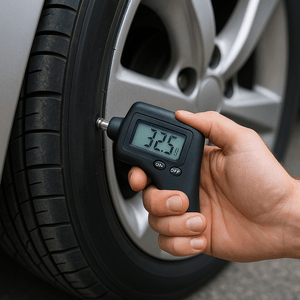
- Monthly checks: Even Run-flats need correct pressure for grip, longevity, and comfort.
- Alignment & rotation: Follow your vehicle schedule to prevent uneven wear.
Popular Use Cases
- Motorway commuters: Reduced stress if a puncture happens far from an exit.
- Night or rural driving: Safer to continue to a lit, secure location.
- Boot space priorities: Cars designed without a spare benefit from the extra room.
Where to Find Run-flat Tyres
Choose from leading brands and patterns across seasons. Explore eiretyres.com for a wide range of fitments, compare tread designs in the All-Season category, and target cold-weather options in the Winter section.
Conclusion
Run-flat tyres offer a compelling safety advantage and convenience when the unexpected happens. If your car supports them and your routes would benefit from “drive-on” capability, they are worth serious consideration. Match the tyre to the season, maintain correct pressures, and keep TPMS operational. Do that, and Run-flats can deliver confident, hassle-reduced motoring all year round.
14/05/26
Are Eco Tyres Really Better for the Environment?
Eco tyres can cut fuel use and CO₂ while keeping everyday performance. Read our guide to see if they’re right for your next tyre change.
Read more
Read more
28/04/26
What Is Wheel Balancing and Why It Matters for Your Tyres
Wheel balancing ensures an even weight distribution across your tyres, preventing vibrations, uneven wear, and reduced driving comfort. This article explains how imbalance occurs, the signs to watch for, and why regular balancing is essential for safety, efficiency, and long-term tyre performance.
Read more
Read more
14/04/26
What Causes Tyre Sidewall Damage and How to Prevent It
Read more
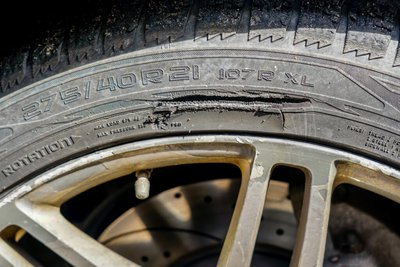
Tyre sidewall damage can result from kerbs, potholes, low pressure, or ageing. It often leads to serious safety risks and cannot be repaired. Regular checks, correct inflation, and careful driving help prevent damage and extend tyre life.
Read more

24/03/26
What to Consider When Buying Tyres Online
Read more
Buying tyres online can save money and time, but only if you know what to look for. From choosing the right size to avoiding hidden costs and unreliable sellers, a few key checks make all the difference. This guide highlights what to consider for a confident purchase.
Read more
09/03/26
Tyre Wear, Microplastics, and the Future of Sustainable Tyre Technology
Read more
Tyre wear releases tiny particles that can become microplastics in the environment. This article explains what tyre wear particles are, why they represent an environmental challenge, and how the tyre industry is developing more sustainable technologies, new materials, and designs that reduce environmental impact.
Read more
20 of 20 News