









 %service-partner-advantages-list%
What Tyre Sizes Are Right for Your Car? A Simple Guide
22/12/25
Published on: December 22, 2025
Author: Eiretyres Editorial Team
Reading time: 5 minutes
Introduction
Choosing the right tyre size isn’t just about making your car look good. The size directly affects fuel efficiency, handling, ride comfort, and most importantly, safety. With so many tyre combinations on the market, it’s easy to feel overwhelmed — especially if you’re replacing tyres for the first time. This guide explains what tyre sizes mean, how to identify yours, and where to shop confidently.
Whether you’re upgrading your wheels, buying seasonal tyres, or replacing worn rubber, understanding tyre sizes helps you avoid costly mistakes and improves overall performance. Let’s break it down in a simple, practical way.
Where to Find Your Tyre Size
Your tyre size can usually be found in one of three places:
- The sidewall of your current tyres
- Your vehicle handbook
- The sticker inside your driver-side door frame
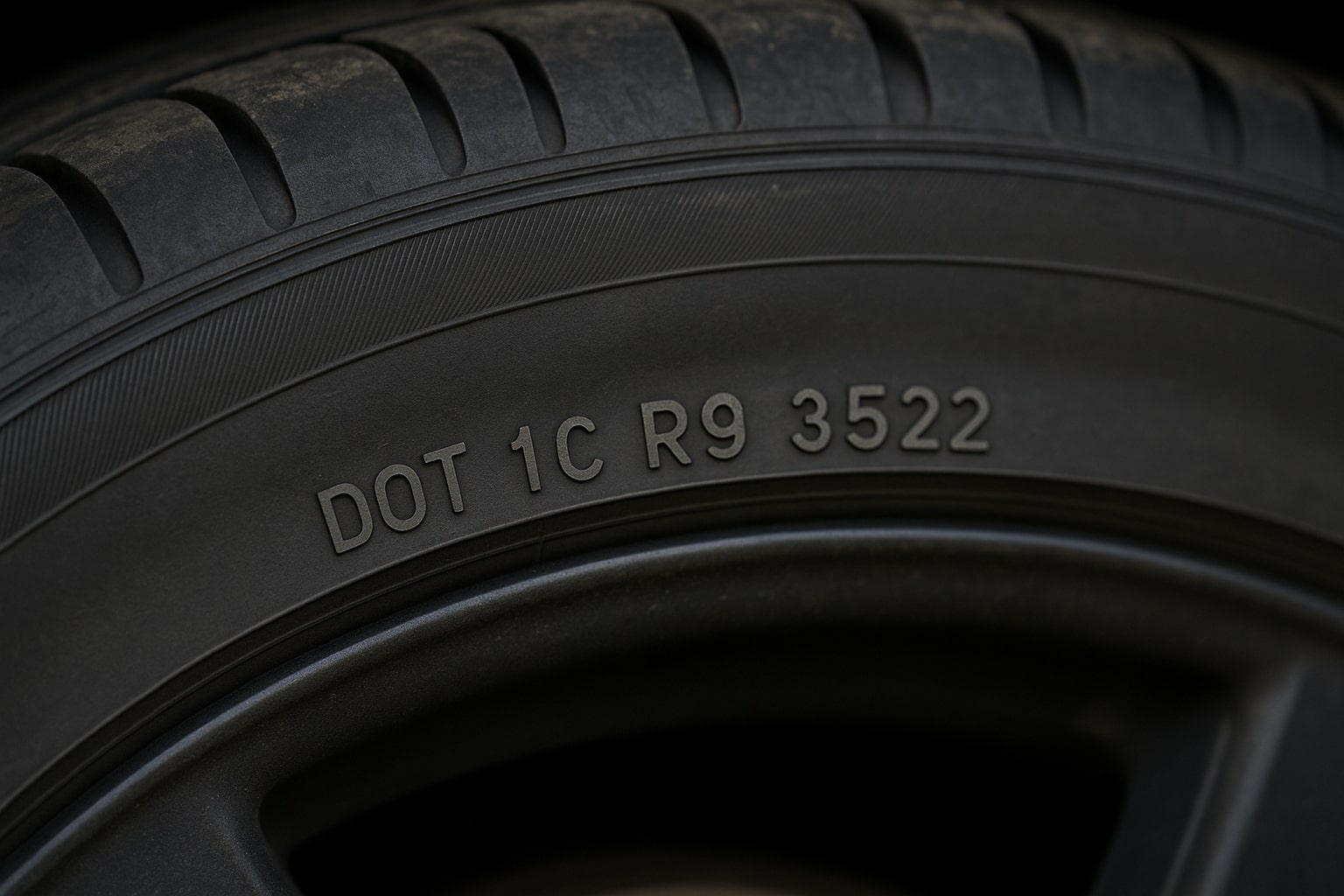
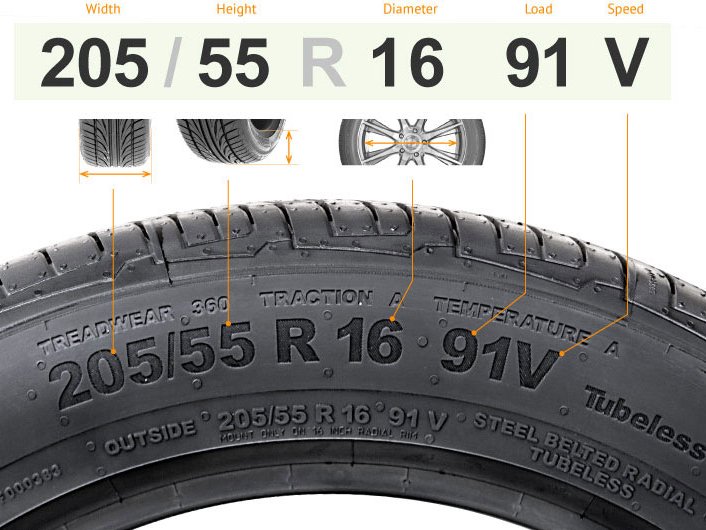
A standard tyre size looks something like this: 205/55 R16 91V. Each part of this code contains important information that ensures the tyre fits your vehicle safely and correctly.
What Your Tyre Code Means
Width – 205
This number refers to the width of the tyre in millimetres. Wider tyres often improve grip and performance, while narrower tyres can reduce fuel consumption and noise.
Aspect Ratio – 55
The aspect ratio is the profile height of the tyre sidewall as a percentage of the tyre width. Lower ratios often indicate sportier handling; higher ratios offer more ride comfort.
Construction – R
“R” stands for radial construction. Almost all modern tyres use this technology.
Rim Diameter – 16
This tells you the wheel diameter (in inches) the tyre will fit. It must match your wheel size exactly.
Load Index – 91
This indicates maximum load capacity. Using a tyre with too low a load index is unsafe and illegal.
Speed Rating – V
The speed rating defines the maximum safe speed capability. Choosing a lower rating than recommended can affect insurance and safety.
How to Choose the Right Tyre Size
Stick to Manufacturer Recommendations
Your manufacturer knows best. Using tyre sizes outside factory specifications can compromise braking, fuel economy, and traction. Transport authorities also require tyres to match listed standards.
Consider Your Driving Style
- Frequent Motorway Driving: Lower profile tyres may provide sharper response.
- Daily City Use: Standard profile tyres offer comfort and durability.
- Off-Road & Rural Roads: Higher sidewalls absorb bumps better.
Signs You Have the Wrong Tyre Size
If you’ve recently changed tyres and notice any of the following issues, the size may not be correct:
- Steering feels heavy or unstable
- Poor cornering grip
- Speedometer reading errors
- Increased road noise
- Reduced acceleration
- Unusual wear patterns
Incorrect sizing puts stress on your suspension and brakes and should be corrected immediately.
Can You Upsize or Downsize Tyres?
You can adjust tyre width or height slightly within approved limits — known as “plus sizing” or “minus sizing” — but only if it stays within legal rolling-diameter tolerance. If unsure, consult a tyre specialist before making changes.
Conclusion
Selecting the right tyre size isn’t complicated once you know how to read tyre codes and where to find manufacturer recommendations. The correct size enhances safety, efficiency, control, and tyre lifespan. Before purchasing replacements, always match your size precisely and buy from trusted retailers with strong size filtering tools.
Now that you know what tyre sizes mean, you’re ready to make an informed, confident choice here and enjoy a safer, smoother drive.
#tyrescare #drivingtips #tyresizes #carmaintenance #tyresafety
14/05/26
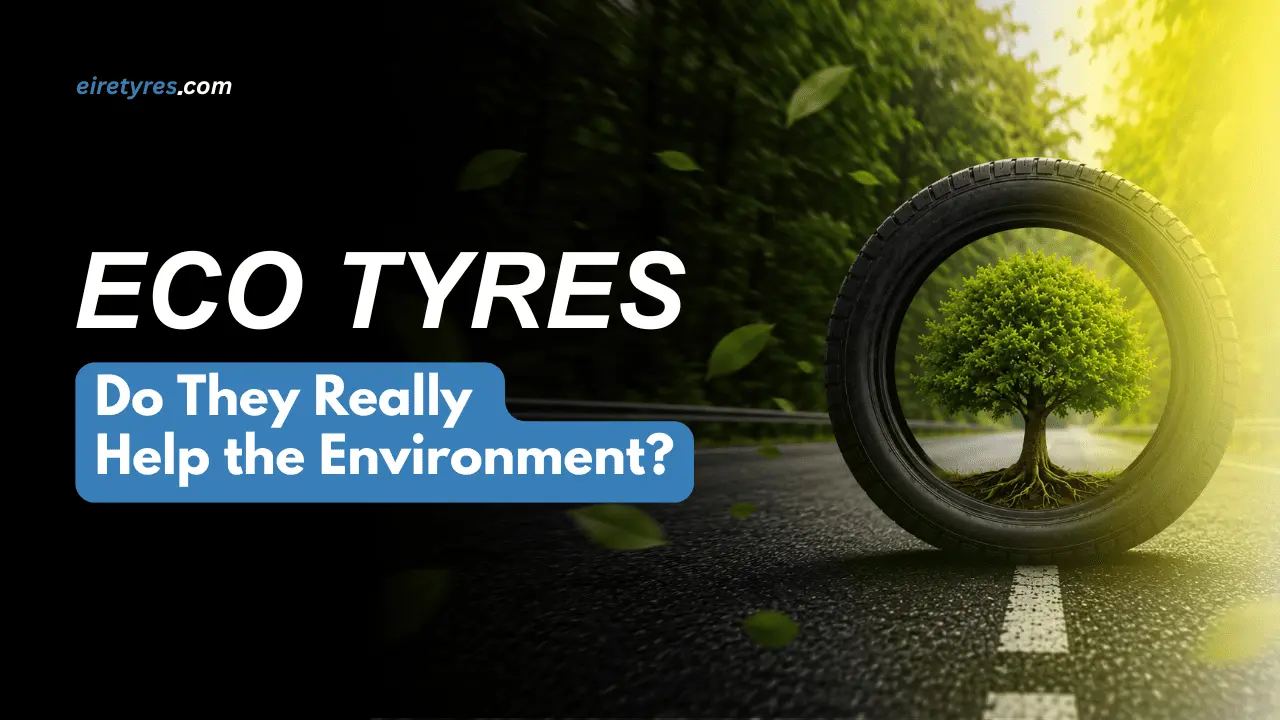
Are Eco Tyres Really Better for the Environment?
Eco tyres can cut fuel use and CO₂ while keeping everyday performance. Read our guide to see if they’re right for your next tyre change.
Read more
Read more
28/04/26
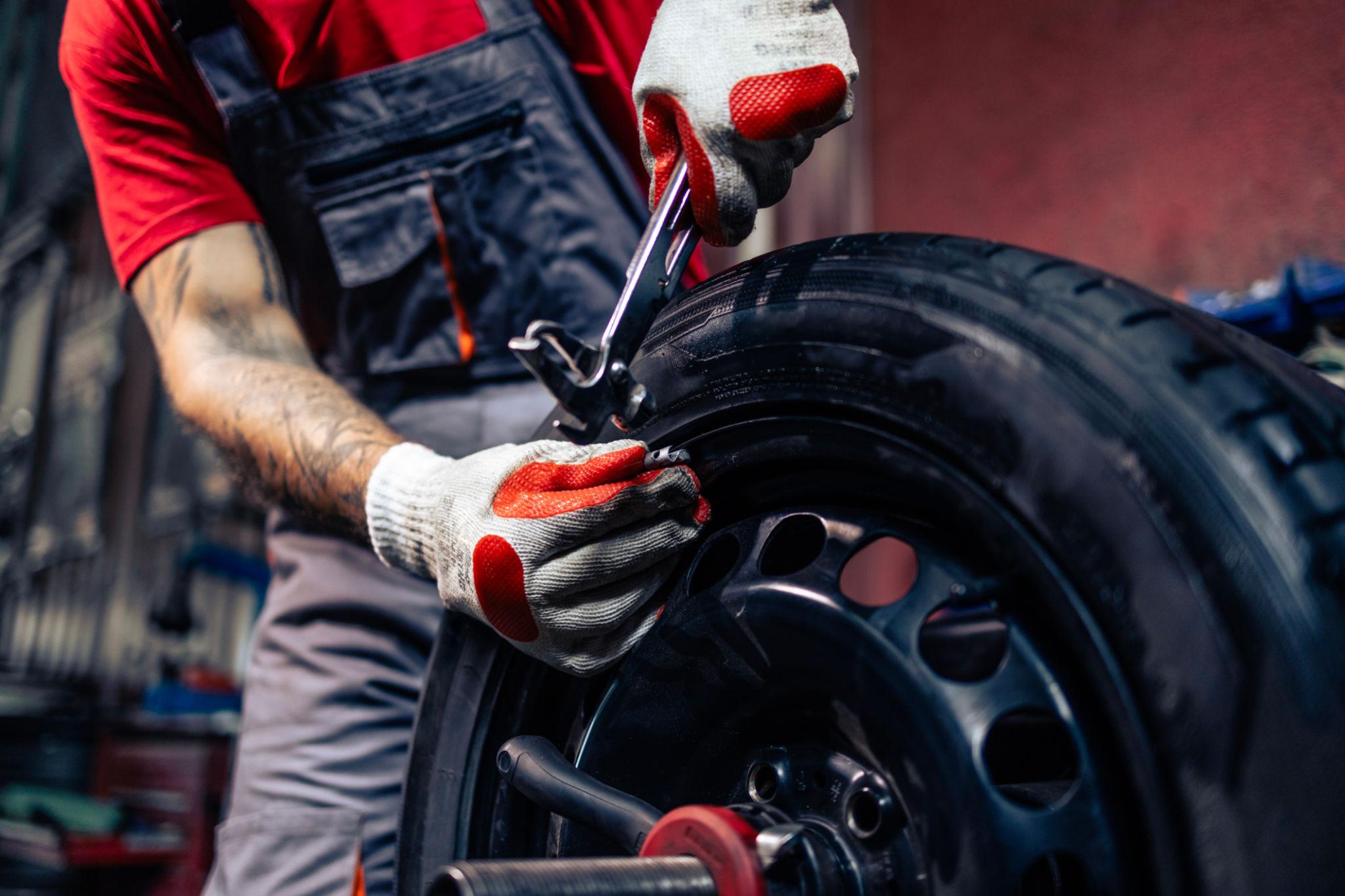
What Is Wheel Balancing and Why It Matters for Your Tyres
Wheel balancing ensures an even weight distribution across your tyres, preventing vibrations, uneven wear, and reduced driving comfort. This article explains how imbalance occurs, the signs to watch for, and why regular balancing is essential for safety, efficiency, and long-term tyre performance.
Read more
Read more
14/04/26
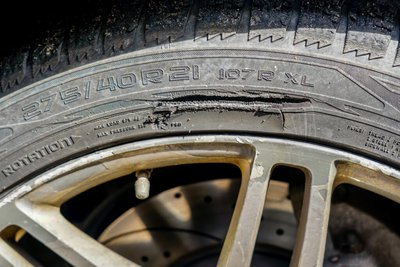
What Causes Tyre Sidewall Damage and How to Prevent It
Read more
Tyre sidewall damage can result from kerbs, potholes, low pressure, or ageing. It often leads to serious safety risks and cannot be repaired. Regular checks, correct inflation, and careful driving help prevent damage and extend tyre life.
Read more

24/03/26
What to Consider When Buying Tyres Online
Read more
Buying tyres online can save money and time, but only if you know what to look for. From choosing the right size to avoiding hidden costs and unreliable sellers, a few key checks make all the difference. This guide highlights what to consider for a confident purchase.
Read more

09/03/26
Tyre Wear, Microplastics, and the Future of Sustainable Tyre Technology
Read more
Tyre wear releases tiny particles that can become microplastics in the environment. This article explains what tyre wear particles are, why they represent an environmental challenge, and how the tyre industry is developing more sustainable technologies, new materials, and designs that reduce environmental impact.
Read more
20 of 20 News