










 %service-partner-advantages-list%
How to Check Tyre Wear and When to Replace Your Tyres
03/11/25
Published on: November 3, 2025
Author: Eiretyres Team
Reading Time: 5 minutes
Why shouldn’t you drive on worn tyres?
In short: safety. Tyres are the only part of your vehicle that touches the road. Their condition affects grip, braking distance, fuel efficiency, and overall safety.
The shallower the remaining tread depth, the less effectively the tyre disperses water from the contact patch, increasing the risk of aquaplaning. With minimal tread depth, the tyre performs poorly in corners and provides weak traction on gravel or dirt roads. At high speeds on highways, there is also a risk of overheating, which can damage or destroy the rubber compound.
In most European countries, the legal minimum tread depth is 1.6 mm across the central three-quarters of the tread. Below this limit, tyres lose traction and are no longer road-legal. Regular checks prevent safety risks and costly fines.
How to Check Tyre Wear?
Perform a Visual Inspection
Start with a careful visual check. Look for:
- Punctures, cuts, or other defects. A tyre can be repaired, but no more than four or five times, and the damage should be in different areas.
- Bulges or blisters on the sidewalls, indicating damage to the internal cord, usually from hitting a curb or rock. Such a tyre must be replaced immediately, as it can burst at any moment.
- Cracks on the sidewall. These are tiny fissures caused by rubber aging. The tyre loses flexibility and may rupture when heated at high speed.
- Uneven tread wear. This can result from misaligned wheels, faulty suspension, or incorrect tyre pressure. Over-inflation wears the centre; under-inflation wears the edges. If the wear is uneven, the tyre must be replaced.
- Embedded objects, such as nails or stones, that may lead to punctures.
You can replace a single tyre, but only if both tyres on the same axle are of the same brand and tread pattern. Mixing studded and non-studded tyres on one axle is extremely dangerous.
Even if a tyre looks fine at first glance, small irregularities can develop into serious safety hazards over time.
Perform Tread Depth Measurement
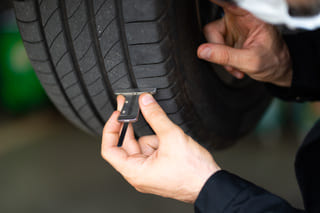
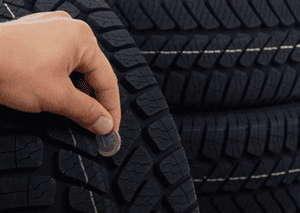
You can check tread depth using a tread depth gauge or the 20p/1€ coin test—insert the coin into the tread grooves; if the gold outer rim can still be seen, your tyres are below the legal limit.
Measure the tread depth in several spots, as wear is often uneven. Divide the tyre roughly into six sections and check the depth in each one. This method isn’t perfectly accurate, but it’s useful if you don’t have a special tool. It can be used when the manufacturer hasn’t provided built-in tread wear indicators.

What is a TWI (Tread Wear Indicator)?
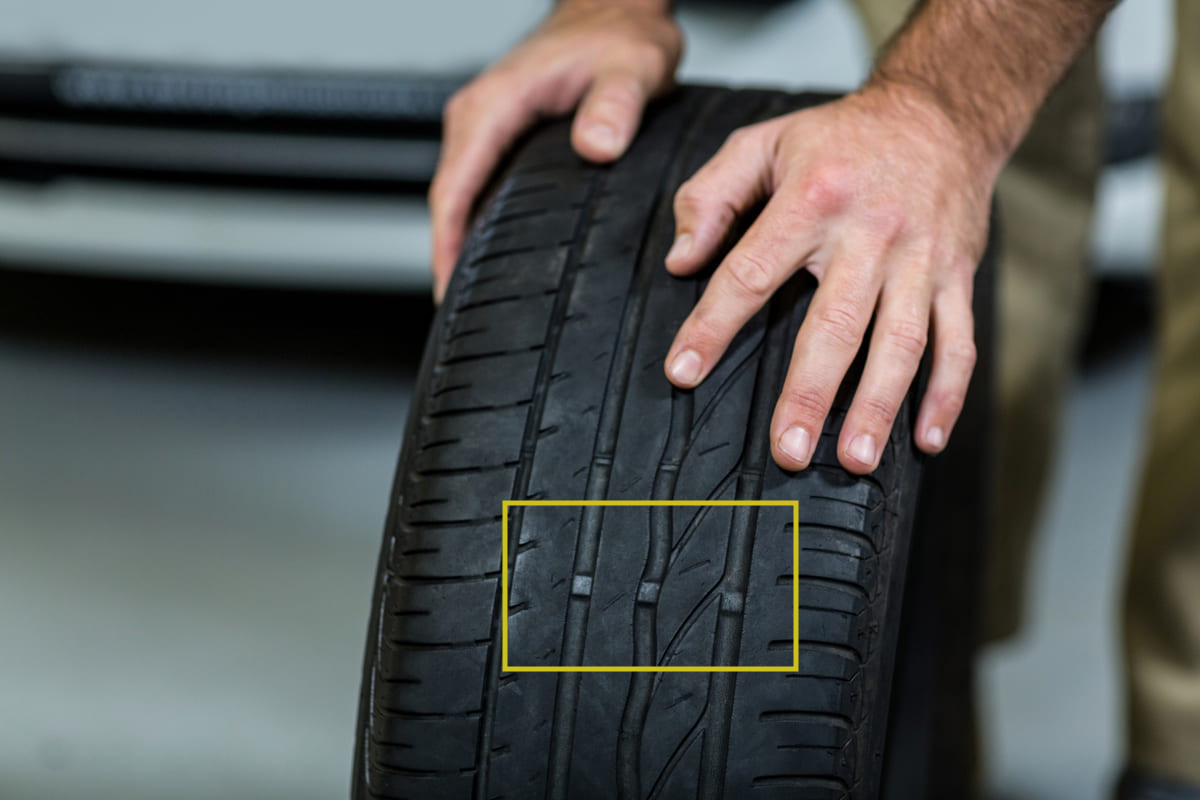
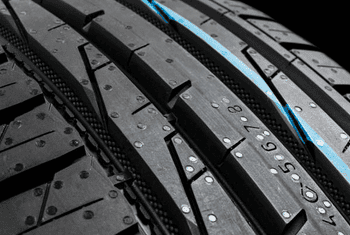
Tread depth determines how effectively your tyres disperse water and maintain grip. To show drivers when the tyre has worn down to its minimum safe depth, manufacturers place tread wear indicators on the tyre. They are small raised bars found at the bottom of the grooves in a tyre’s tread pattern.
How to find these indicators?
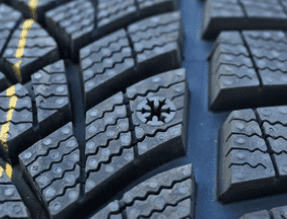
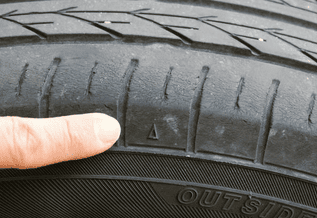
They are located at the bottom of the tyre tread grooves and are marked on the sidewall with a special “TWI” symbol. Sometimes it appears as the letters “TWI,” sometimes as a small triangle, and some manufacturers use a pictogram with their logo next to the wear indicators. When the tread surface becomes level with these indicators, the tyre has reached its legal wear limit and must be replaced.
Some manufacturers also apply additional symbols, such as a droplet icon. It shows the tyre’s water-dispersing efficiency: as long as the droplet is visible, the tyre effectively channels water; once it disappears, the risk of aquaplaning increases.
Replacing Different Kinds of Tyres
When to replace summer tyres?
The main criterion for summer tyres is operational wear, or more precisely, the remaining tread depth. According to car manufacturers and most tyre producers, the remaining tread depth should not be less than 2 mm. The legal minimum tread depth in the UK and EU is 1.6 mm. If it is equal to or below that value, the tyre must be replaced.
When to replace winter tyres?
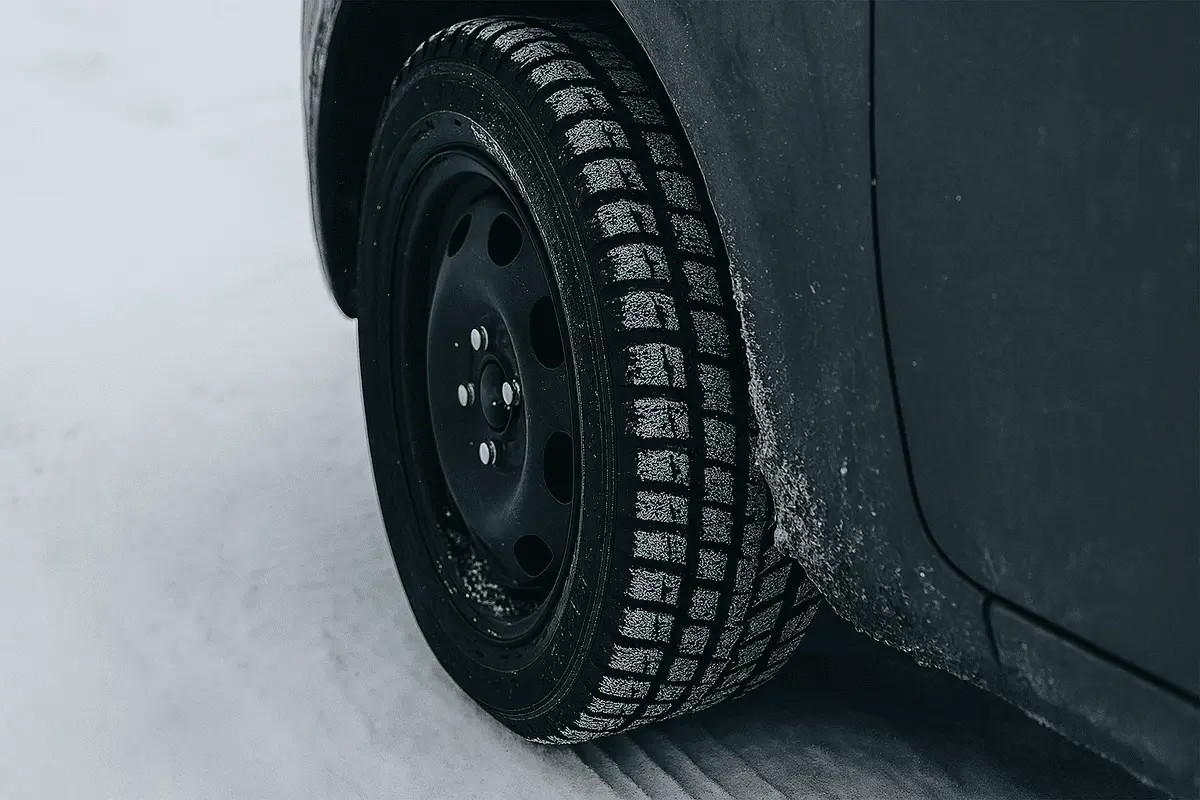
For winter tyres, replacement is recommended when tread depth drops below 4 mm, as the grooves are essential for snow and slush traction.
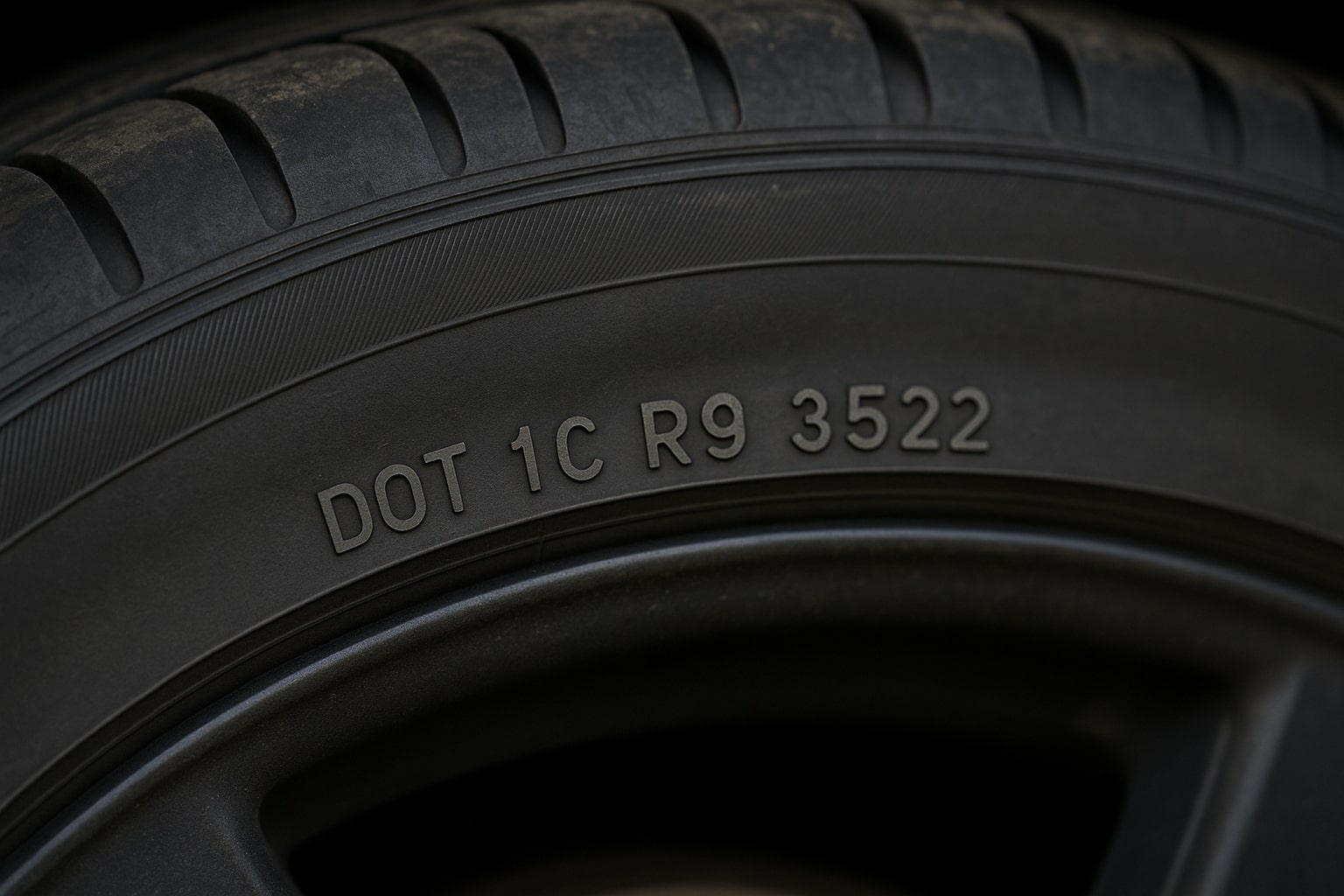
But what is even more important is to look for the DOT number, namely a small imprint with four digits: the first two indicate the week of manufacture, and the last two show the year. For example, 1219 means the tyre was produced in week 12 of 2019. This is an important parameter. Most tyre manufacturers recommend replacing tyres every 5–6 years.
Why is that? It has to do with the tyre’s construction. A car tyre consists of many steel cords embedded in rubber, which gives it its shape. Over time, rubber loses its elasticity, starts to shrink, and can develop cracks. A new tyre is straight and tight, but as the rubber ages and hardens, the alignment of the cords is disturbed, and the tyre loses its original properties.
With summer tyres, things are relatively straightforward, but winter tyres have a specific nuance. Winter tyres come in two types — studded and non-studded (also known as friction tyres). The rubber compound in winter tyres is usually softer than in summer ones, which makes them less prone to tread wear. However, for winter tyres, the date of manufacture is particularly important.
Some may argue, “Why replace the tyres if the tread still looks fine?” The problem is that old rubber becomes hard and brittle, leading to cracks and deformation of the cord. The surface of the tyre ceases to be perfectly round and develops wave-like irregularities. This causes vibrations and shaking while driving, especially at high speeds or in wet conditions. It’s not only uncomfortable but also unsafe.
That’s why the manufacturing date is an important parameter to pay attention to.
Important: winter tyres should not be used in summer. However, if this still occurs, the minimum tread depth for winter tyres driven in summer is 1.6 mm, as they have no separate wear indicators for summer use.
Various manufacturers may have different TWIs on their winter tyres.
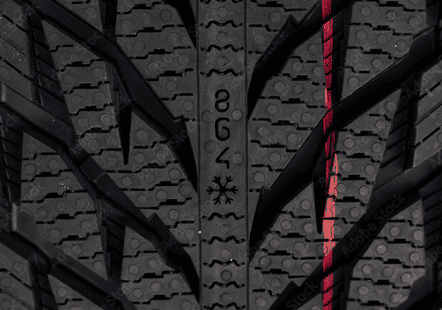
For example, Pirelli tyres have both TWI markings and a snowflake symbol. Inside the tread, there’s a small ridge that shows when the tyre is 50% worn. If the tread reaches this level, the tyre has lost about half of its winter traction and braking performance. It’s not critical yet, but drivers should adjust their driving style. Nokian uses a different system — digits (8, 6, 4) and a snowflake embossed directly in the tread. The numbers fade gradually as the tyre wears. When the number 6 disappears, 4 mm remain; when 4 is gone and only the snowflake is visible, it’s time to replace the tyre.
When to replace all-season tyres?
All-season tyres carry “All Season” or “All Seasons,” “M+S,” and the 3PMSF mountain-snowflake symbol. The same seasonal rules may apply as for winter tyres in certain countries. For example, in winter periods some jurisdictions require a minimum 4 mm, and during the rest of the year 1.6 mm. Many tyres include two indicators—one for winter and one for summer—marked on the sidewall with two symbols (e.g., “TWI” for summer and a snowflake for winter).
Legal and Safety Tips
- UK and EU law requires a minimum tread depth of 1.6 mm across the central band of the tyre.
- Some European countries enforce stricter limits for winter tyres—for instance, 4 mm in Austria.
- Replace all four tyres at once or at least in matched pairs on the same axle to maintain stability and balanced performance.
- Do not wait for the last wear indicator to appear—replace a bit earlier, ideally during seasonal change, to avoid paying twice for mounting.
- When buying new tyres, check the production date. One to two years old is acceptable; three to four years or more is best avoided due to storage aging.
Keep your vehicle performing efficiently - find your new tyres online and drive safely.

14/05/26
Are Eco Tyres Really Better for the Environment?
Eco tyres can cut fuel use and CO₂ while keeping everyday performance. Read our guide to see if they’re right for your next tyre change.
Read more
Read more
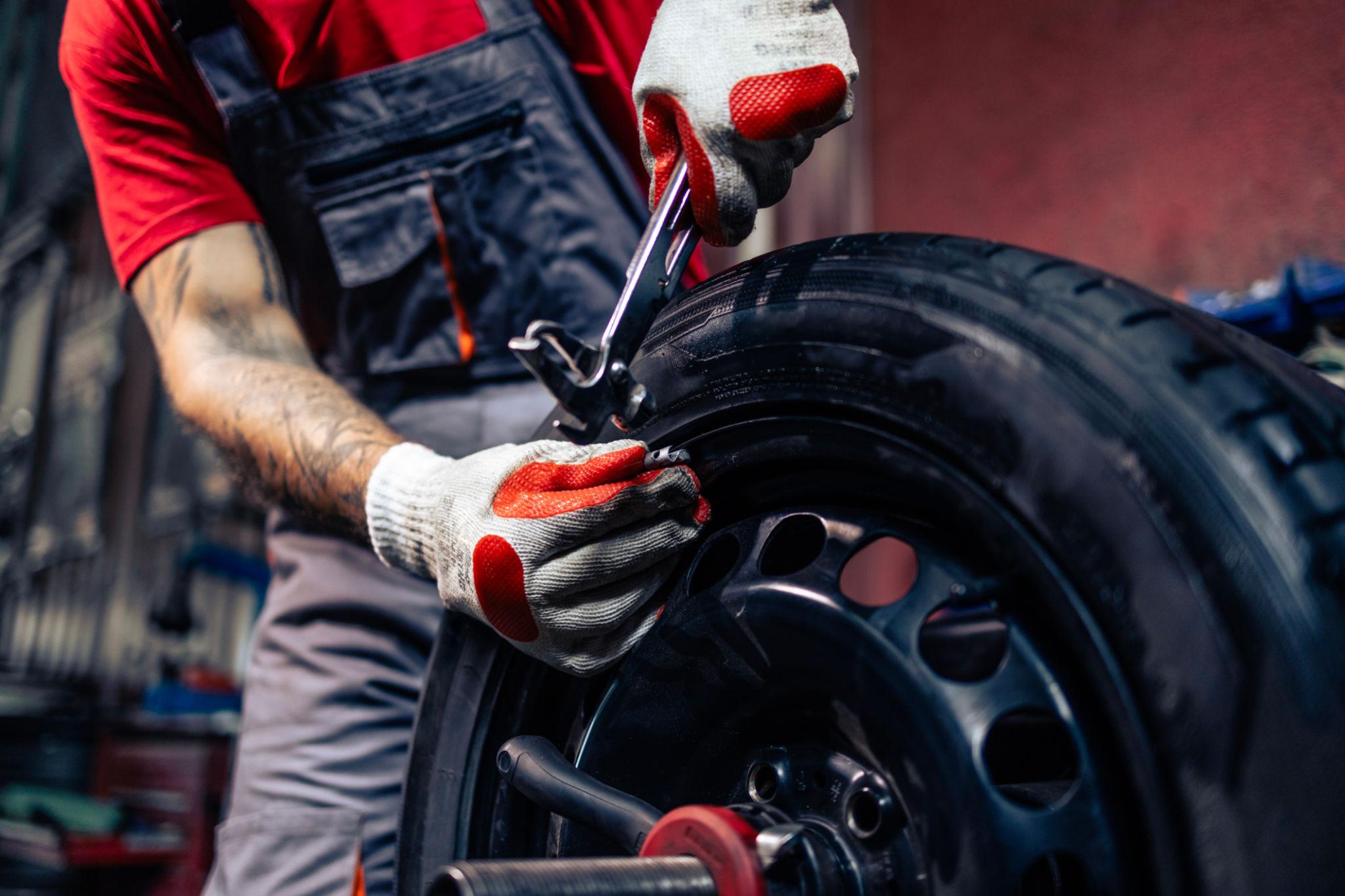
28/04/26
What Is Wheel Balancing and Why It Matters for Your Tyres
Wheel balancing ensures an even weight distribution across your tyres, preventing vibrations, uneven wear, and reduced driving comfort. This article explains how imbalance occurs, the signs to watch for, and why regular balancing is essential for safety, efficiency, and long-term tyre performance.
Read more
Read more
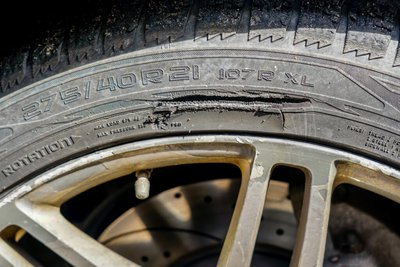
14/04/26
What Causes Tyre Sidewall Damage and How to Prevent It
Read more
Tyre sidewall damage can result from kerbs, potholes, low pressure, or ageing. It often leads to serious safety risks and cannot be repaired. Regular checks, correct inflation, and careful driving help prevent damage and extend tyre life.
Read more

24/03/26
What to Consider When Buying Tyres Online
Read more
Buying tyres online can save money and time, but only if you know what to look for. From choosing the right size to avoiding hidden costs and unreliable sellers, a few key checks make all the difference. This guide highlights what to consider for a confident purchase.
Read more

09/03/26
Tyre Wear, Microplastics, and the Future of Sustainable Tyre Technology
Read more
Tyre wear releases tiny particles that can become microplastics in the environment. This article explains what tyre wear particles are, why they represent an environmental challenge, and how the tyre industry is developing more sustainable technologies, new materials, and designs that reduce environmental impact.
Read more
20 of 20 News