





 %service-partner-advantages-list%
Understanding the EU Tyre Label: Efficiency, Grip & Noise Explained
17/11/25
Published on: November 17, 2025
Author: Eiretyres Team
Reading Time: 5 minutes
The tyre you choose influences far more than how your car feels on the road. It affects fuel efficiency, braking performance, cabin comfort, and even environmental impact. That’s why every tyre sold in the EU comes with a standardised label - the EU Tyre Label. Designed to help drivers make smarter decisions, this label breaks down a tyre’s key characteristics into simple, easy-to-compare categories.
Whether you’re browsing eiretyres.com for new summer, winter, or all-season tyres, understanding this label ensures you get the best value and performance for your driving needs. Below, we walk you through what each part of the label means and how it can guide your next tyre purchase.
What Is the EU Tyre Label?
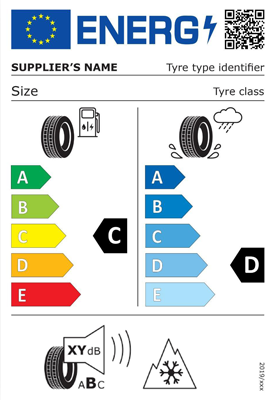
The EU Tyre Label was introduced in 2012 to give consumers a clear, standardised way to evaluate tyres. It was updated on 1 May 2021 under Regulation (EU) 2020/740 to improve transparency and support environmental goals. Every tyre now shows classifications for:
- Fuel efficiency (rolling resistance)
- Wet grip performance
- External rolling noise
The updated regulation also allows manufacturers to display:
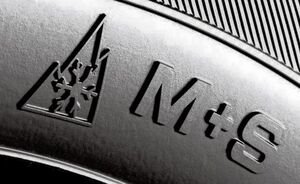
- A symbol for severe snow performance (3PMSF)
- A symbol for ice grip (Nordic winter tyres)
- A QR code linking to the EU’s tyre database (EPREL)
These additions give drivers more confidence when choosing tyres suited to specific climates or terrains.
1. Fuel Efficiency (Rolling Resistance)
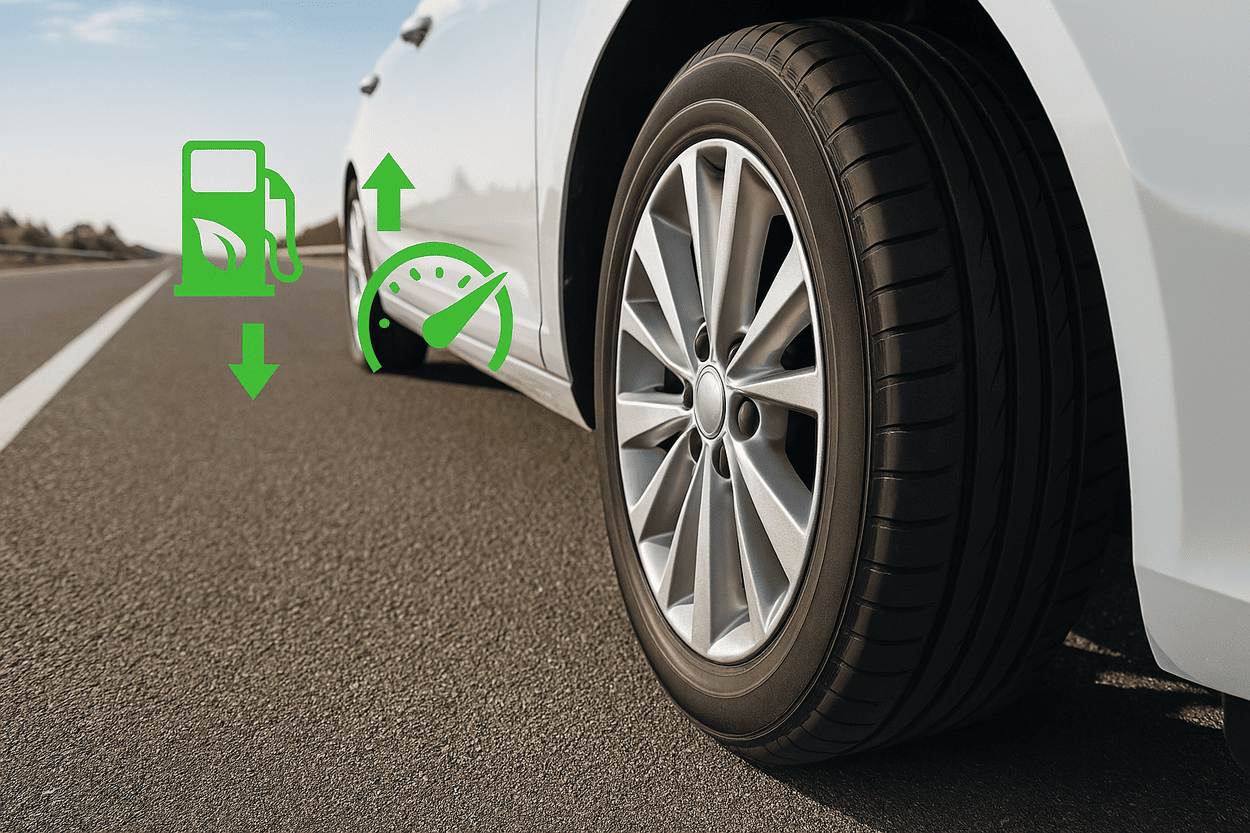
Rolling resistance determines how much energy your tyres need to keep moving. Lower resistance means less fuel consumption - and fewer CO₂ emissions.
The EU Tyre Label grades tyres from A (most efficient) to E (least efficient). Choosing a tyre with a better rating can reduce fuel usage over thousands of miles. It’s an important factor for motorway commuters and anyone aiming to reduce running costs.
Explore fuel-efficient options in the Summer Tyres and All-Season Tyres sections.
2. Wet Grip (Braking Performance)
Wet grip is one of the most crucial safety indicators. It measures how quickly a tyre can stop on a wet surface compared to a reference tyre.
The rating scale runs from A (best) to E (worst). A tyre rated A can brake significantly faster on wet roads than a tyre rated E - a difference that can be lifesaving in emergency situations.
Good wet grip is especially relevant for regions where rain is common year-round.
3. External Rolling Noise
This value reflects the amount of noise a tyre generates outside the vehicle, measured in decibels (dB). Ratings range from:
- A – quietest
- B – moderate noise
- C – louder tyres
Quieter tyres contribute to reduced noise pollution and a more comfortable driving experience. For urban drivers or those who frequently travel long distances, this can be an important factor.
4. New Symbols: Snow & Ice Performance
3PMSF – Three Peak Mountain Snowflake
Tyres with 3PMSF symbol have been tested and certified for heavy snow conditions. This is essential for winter tyres intended for colder climates.
Ice Grip Symbol
Mainly used for Nordic winter tyres, this icon indicates superior ice braking performance. These tyres are designed for extreme winter environments.
If you need reliable winter performance, explore the Winter Tyres range.
Why the EU Tyre Label Matters
- Safety: Helps you identify tyres with superior wet braking and winter grip.
- Cost Efficiency: Better rolling resistance reduces long-term fuel consumption.
- Comfort: Lower noise ratings create a quieter, smoother ride.
- Environmental Impact: Supports sustainability by highlighting energy-efficient products.
How to Use the Label When Choosing Tyres
When comparing tyres, consider your driving habits:
- Motorway drivers: Prioritise rolling resistance (A–B ratings) for fuel savings.
- Wet climates: Choose strong wet grip (A or B) for maximum safety.
- Urban driving: Lower noise levels help maintain comfort.
- Winter use: Look for the 3PMSF or ice grip symbol.
The label won’t tell you everything - factors like tread life, comfort, and handling feel still matter - but it provides a clear foundation for smarter tyre selection.
Conclusion
The EU Tyre Label makes tyre shopping simpler by highlighting the three most important performance metrics: efficiency, wet grip, and noise. Understanding these ratings helps you choose tyres that match your driving style, deliver better safety, and optimise running costs.
Whether you’re choosing summer, winter or all-season tyres, using the EU Tyre Label as a guide ensures you make a confident and informed decision every time.
14/05/26
Are Eco Tyres Really Better for the Environment?
Eco tyres can cut fuel use and CO₂ while keeping everyday performance. Read our guide to see if they’re right for your next tyre change.
Read more
Read more
28/04/26
What Is Wheel Balancing and Why It Matters for Your Tyres
Wheel balancing ensures an even weight distribution across your tyres, preventing vibrations, uneven wear, and reduced driving comfort. This article explains how imbalance occurs, the signs to watch for, and why regular balancing is essential for safety, efficiency, and long-term tyre performance.
Read more
Read more
14/04/26
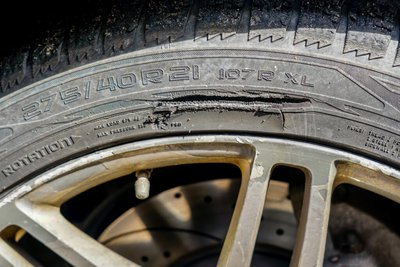
What Causes Tyre Sidewall Damage and How to Prevent It
Read more
Tyre sidewall damage can result from kerbs, potholes, low pressure, or ageing. It often leads to serious safety risks and cannot be repaired. Regular checks, correct inflation, and careful driving help prevent damage and extend tyre life.
Read more
24/03/26
What to Consider When Buying Tyres Online
Read more
Buying tyres online can save money and time, but only if you know what to look for. From choosing the right size to avoiding hidden costs and unreliable sellers, a few key checks make all the difference. This guide highlights what to consider for a confident purchase.
Read more
09/03/26
Tyre Wear, Microplastics, and the Future of Sustainable Tyre Technology
Read more
Tyre wear releases tiny particles that can become microplastics in the environment. This article explains what tyre wear particles are, why they represent an environmental challenge, and how the tyre industry is developing more sustainable technologies, new materials, and designs that reduce environmental impact.
Read more
20 of 20 News