







 %service-partner-advantages-list%
What Do M+S and 3PMSF Symbols on Tyres Actually Mean?
29/09/25
Published on: September 29, 2025
Author: Eiretyres Team
Reading Time: 5 minutes
What Are the Markings Found on Tyres?
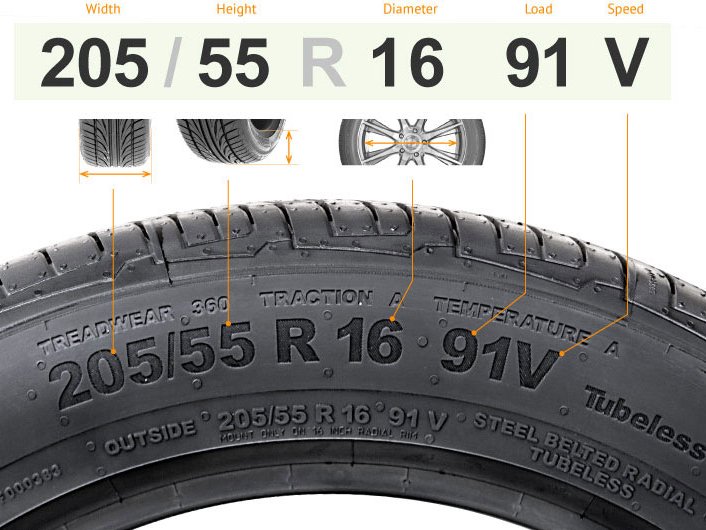
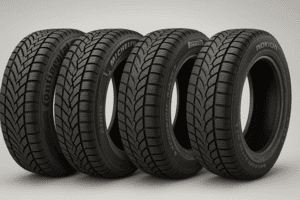
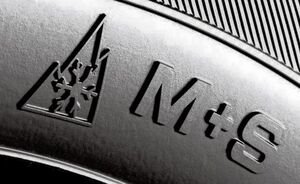
Tyre sidewalls are like passports — packed with codes and symbols that reveal their identity, capabilities, and legal status. These markings include size (e.g., 225/45 R17), load index, speed rating, manufacturing date, and performance indicators. Among the most discussed are M+S (Mud and Snow) and 3PMSF (Three Peak Mountain Snowflake), which relate to seasonal and winter performance. Understanding these symbols helps drivers choose tyres that match their climate, driving style, and legal obligations.
Which Markings Are Legally Obligatory?
In the EU and most developed markets, tyres must carry certain mandatory markings:
- Size and construction: e.g., 205/55 R16
- Load index and speed rating: e.g., 91V
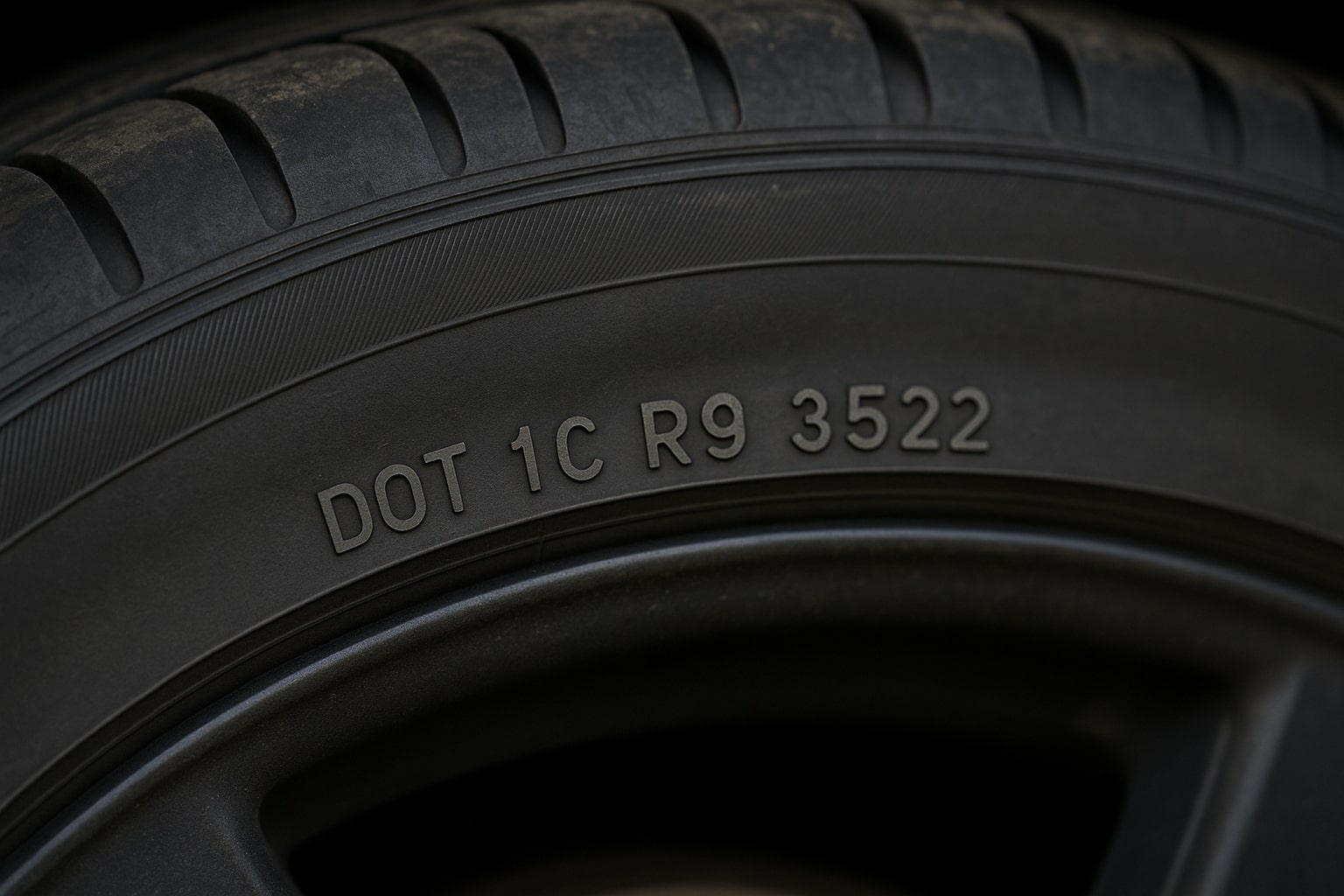
- DOT code: Indicates the week and year of manufacture
- ECE approval mark: e.g., “E4” confirms compliance with European safety standards
These markings ensure tyres meet minimum safety and performance requirements. Without them, tyres cannot be legally sold or used on public roads.
What Are Voluntary or Informative Markings?
Voluntary markings go beyond legal compliance and offer additional performance insights:
- M+S: Indicates better traction on mud and snow, but without standardized testing
- 3PMSF: Confirms the tyre passed EU snow performance tests
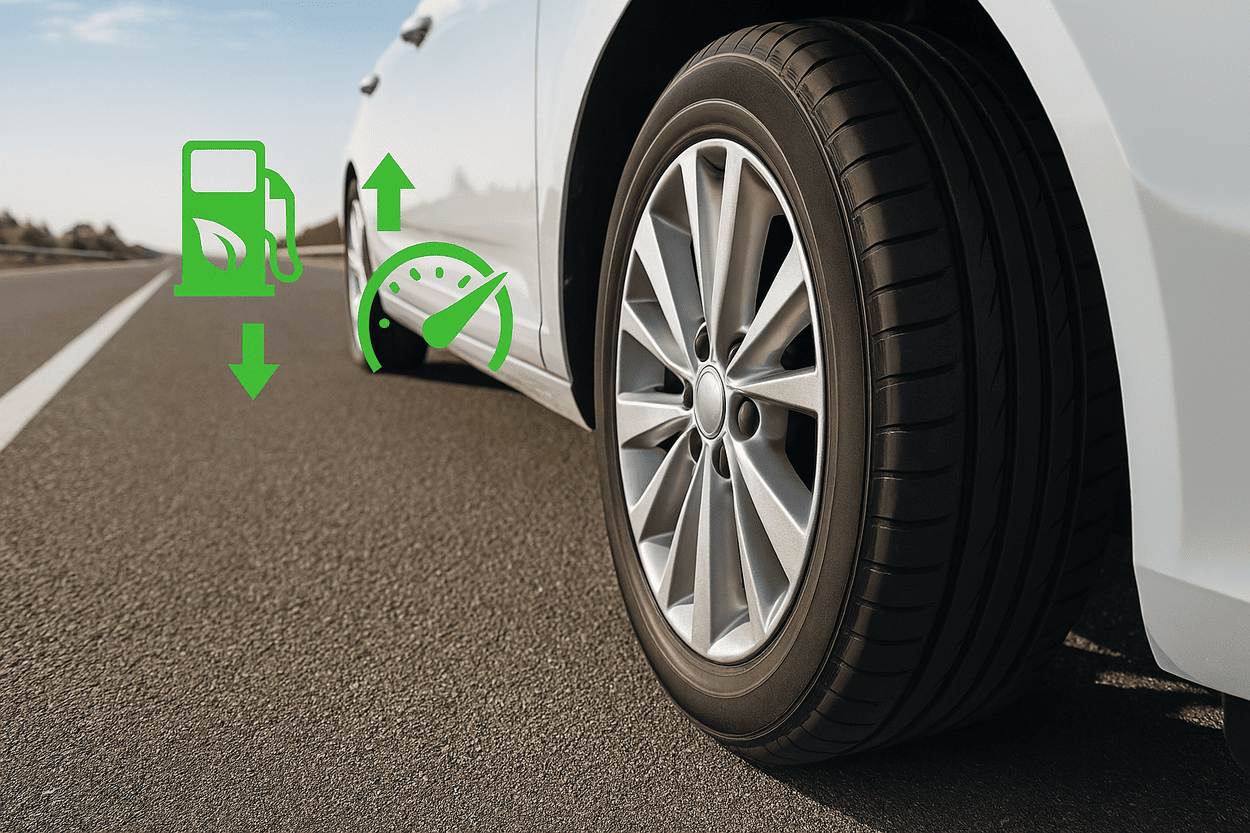
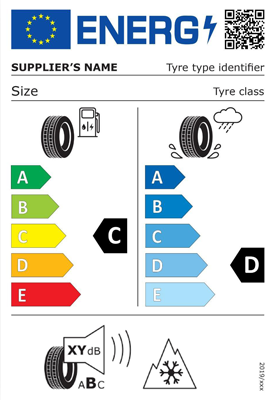
- Noise, wet grip, fuel efficiency: Found on the EU tyre label
- Manufacturer-specific icons: Some brands use symbols for eco-friendliness, sport handling, or comfort
While not legally required, these markings help consumers make smarter choices — especially in regions with variable weather.
How Did the M+S Marking Originate and What Is Its Purpose?
The M+S marking dates back to the mid-20th century, when certain enthusiastic American tyre makers developed special tyres for travellers heading into remote areas. These tyres had a reinforced diagonal carcass to resist impacts and punctures. Because such terrain often involved mud and snow, they introduced the M+S (Mud and Snow) marking.
Other manufacturers soon adopted it, but since the symbol wasn’t legally protected, many used it purely for marketing without ensuring real off-road or winter performance. The designation is self-certified — there’s no standardized test behind it. As a result, many tyres with M+S perform poorly in true winter conditions, leading to confusion and overconfidence among drivers. An experienced motorist will readily confirm that many tyres marked only with M+S have a tread pattern that looks more like a summer tyre.
Why Was the 3PMSF Marking Introduced?
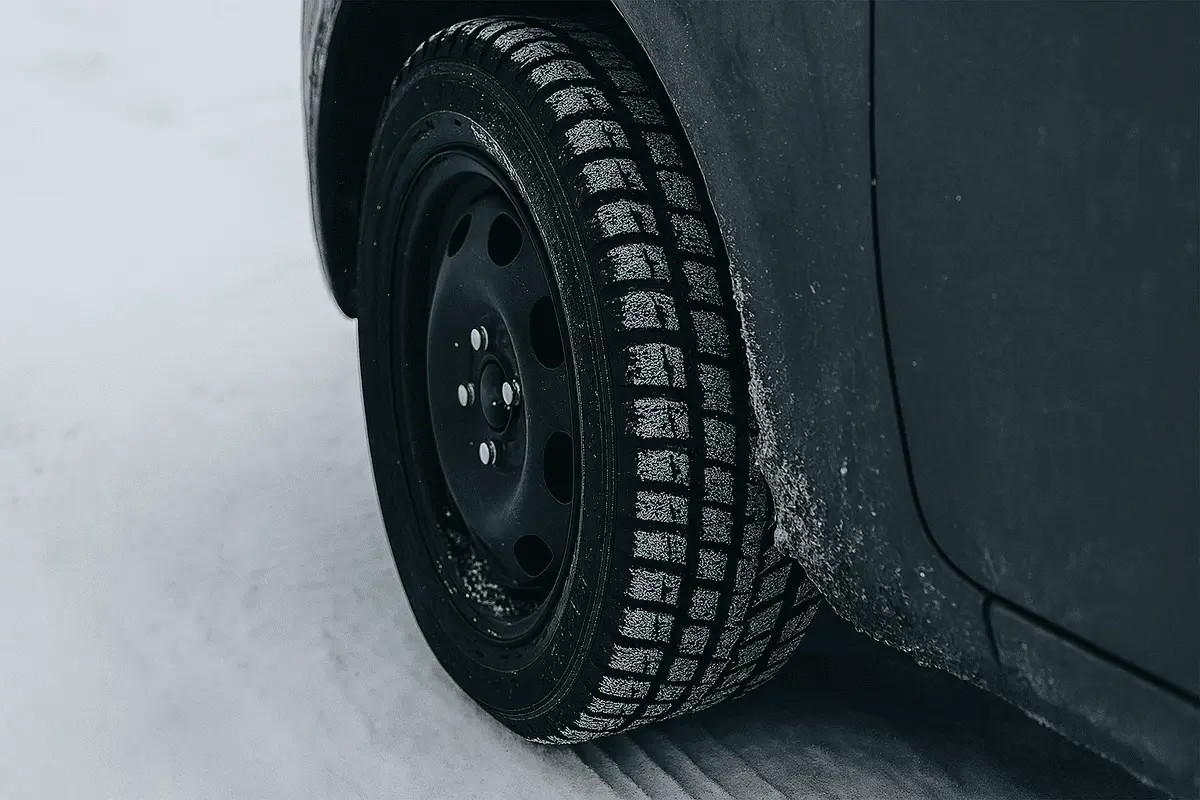
To address the shortcomings of M+S, the Three Peak Mountain Snowflake (3PMSF) symbol was introduced by the EU. Tyres with this marking must pass standardized tests for snow traction, including acceleration and braking on packed snow. This ensures a minimum level of winter performance, making 3PMSF the legal benchmark for winter tyres in many regions. Unlike M+S, 3PMSF is not just a marketing label — it’s a performance guarantee.
Do Tyre Rules Differ Across Countries — and Can You Use M+S or 3PMSF?
Yes, tyre regulations vary widely across Europe, and it's crucial to understand whether M+S or 3PMSF markings are legally accepted — especially if you're using all-season tyres in winter conditions.
In many countries, M+S alone is no longer sufficient to meet legal winter tyre requirements. Instead, tyres must carry the 3PMSF (Three Peak Mountain Snowflake) symbol, which confirms they’ve passed standardized snow performance tests. This applies whether the tyre is a dedicated winter model or an all-season tyre with winter capabilities.
- Ireland: No mandatory winter tyre laws; usage is optional.
- United Kingdom: No legal requirement for winter tyres; M+S or 3PMSF may be used voluntarily.
- Germany: 3PMSF required in winter; M+S tyres made before 2018 allowed until 2024.
- France: 3PMSF or chains required in mountain zones under the “Loi Montagne.”
- Austria: Winter tyres mandatory Nov–Apr; 3PMSF preferred, M+S accepted only if performance is proven.
- Italy: Regional rules; 3PMSF recommended in alpine areas, M+S sometimes accepted.
- Sweden & Finland: Studded or 3PMSF tyres required in winter; M+S not sufficient.
- Spain: No national mandate, but 3PMSF may be required in mountainous regions.
If you're using all-season tyres, make sure they carry the 3PMSF symbol if you plan to drive in countries with stricter winter laws. Tyres marked only with M+S may not be legally recognized as suitable for winter use — even if they’re marketed as “all-season.”
Tip: Always check local regulations before traveling, especially across borders. The right marking on your tyres can mean the difference between compliance and fines — or worse, compromised safety.
Why Should Climate Influence Your Tyre Choice?
Climate is the most important factor when choosing tyres. In warm regions, summer tyres offer optimal grip, braking, and fuel efficiency. In cold climates, 3PMSF tyres are essential for safety. All-season tyres may suit moderate climates, but they compromise performance in extreme heat or snow. Choosing tyres that match your local weather ensures better handling, longer tread life, and lower risk of accidents.
What Does 3PMSF Mean on All-Season Tyres?
When an all-season tyre carries the 3PMSF symbol, it means it has passed EU snow performance tests and can legally replace winter tyres in many countries. However, it’s important to note that all-season tyres are a compromise. They offer convenience and year-round usability but may underperform compared to dedicated winter tyres in deep snow or icy conditions. For drivers in regions with mild winters, 3PMSF all-season tyres are a smart, practical choice.
What’s the Best Advice from Eiretyres.com for Winter Tyre Buyers?
Here’s our expert advice:
- If you drive in snowy or mountainous areas, choose tyres with the 3PMSF symbol — it’s your legal and safety guarantee
- For urban drivers in milder climates, high-quality all-season tyres with 3PMSF may be sufficient
- Avoid relying solely on M+S markings — they’re not enough for serious winter conditions
- Always check the manufacturing date, tread depth, and EU label ratings before buying
And remember: tyres are your only contact with the road. Investing in the right set is investing in your safety.
#WinterTyres #3PMSF #TyreSafety #AllSeasonTyres #MSMarking #EURegulations #SnowTyres #TyreAdvice #AutoCare #DrivingInWinter
14/05/26
Are Eco Tyres Really Better for the Environment?
Eco tyres can cut fuel use and CO₂ while keeping everyday performance. Read our guide to see if they’re right for your next tyre change.
Read more
Read more
28/04/26
What Is Wheel Balancing and Why It Matters for Your Tyres
Wheel balancing ensures an even weight distribution across your tyres, preventing vibrations, uneven wear, and reduced driving comfort. This article explains how imbalance occurs, the signs to watch for, and why regular balancing is essential for safety, efficiency, and long-term tyre performance.
Read more
Read more
14/04/26
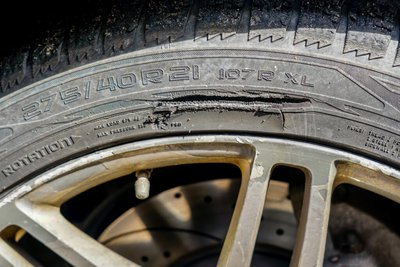
What Causes Tyre Sidewall Damage and How to Prevent It
Read more
Tyre sidewall damage can result from kerbs, potholes, low pressure, or ageing. It often leads to serious safety risks and cannot be repaired. Regular checks, correct inflation, and careful driving help prevent damage and extend tyre life.
Read more

24/03/26
What to Consider When Buying Tyres Online
Read more
Buying tyres online can save money and time, but only if you know what to look for. From choosing the right size to avoiding hidden costs and unreliable sellers, a few key checks make all the difference. This guide highlights what to consider for a confident purchase.
Read more
09/03/26
Tyre Wear, Microplastics, and the Future of Sustainable Tyre Technology
Read more
Tyre wear releases tiny particles that can become microplastics in the environment. This article explains what tyre wear particles are, why they represent an environmental challenge, and how the tyre industry is developing more sustainable technologies, new materials, and designs that reduce environmental impact.
Read more
20 of 20 News