




 %service-partner-advantages-list%
What Tyre Sizes Are Right for Your Car? A Simple Guide
22/12/25
Published on: December 22, 2025
Author: Eiretyres Editorial Team
Reading time: 5 minutes
Introduction
Choosing the right tyre size isn’t just about making your car look good. The size directly affects fuel efficiency, handling, ride comfort, and most importantly, safety. With so many tyre combinations on the market, it’s easy to feel overwhelmed — especially if you’re replacing tyres for the first time. This guide explains what tyre sizes mean, how to identify yours, and where to shop confidently.
Whether you’re upgrading your wheels, buying seasonal tyres, or replacing worn rubber, understanding tyre sizes helps you avoid costly mistakes and improves overall performance. Let’s break it down in a simple, practical way.
Where to Find Your Tyre Size
Your tyre size can usually be found in one of three places:
- The sidewall of your current tyres
- Your vehicle handbook
- The sticker inside your driver-side door frame
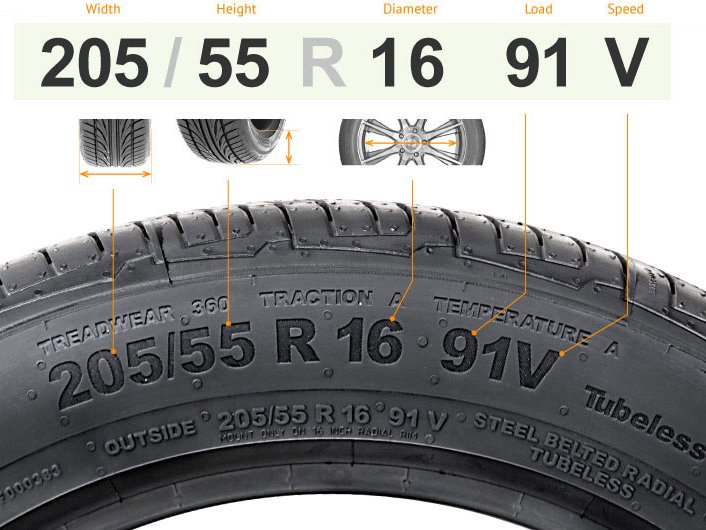
A standard tyre size looks something like this: 205/55 R16 91V. Each part of this code contains important information that ensures the tyre fits your vehicle safely and correctly.
What Your Tyre Code Means
Width – 205
This number refers to the width of the tyre in millimetres. Wider tyres often improve grip and performance, while narrower tyres can reduce fuel consumption and noise.
Aspect Ratio – 55
The aspect ratio is the profile height of the tyre sidewall as a percentage of the tyre width. Lower ratios often indicate sportier handling; higher ratios offer more ride comfort.
Construction – R
“R” stands for radial construction. Almost all modern tyres use this technology.
Rim Diameter – 16
This tells you the wheel diameter (in inches) the tyre will fit. It must match your wheel size exactly.
Load Index – 91
This indicates maximum load capacity. Using a tyre with too low a load index is unsafe and illegal.
Speed Rating – V
The speed rating defines the maximum safe speed capability. Choosing a lower rating than recommended can affect insurance and safety.
How to Choose the Right Tyre Size
Stick to Manufacturer Recommendations
Your manufacturer knows best. Using tyre sizes outside factory specifications can compromise braking, fuel economy, and traction. Transport authorities also require tyres to match listed standards.
Consider Your Driving Style
- Frequent Motorway Driving: Lower profile tyres may provide sharper response.
- Daily City Use: Standard profile tyres offer comfort and durability.
- Off-Road & Rural Roads: Higher sidewalls absorb bumps better.
Signs You Have the Wrong Tyre Size
If you’ve recently changed tyres and notice any of the following issues, the size may not be correct:
- Steering feels heavy or unstable
- Poor cornering grip
- Speedometer reading errors
- Increased road noise
- Reduced acceleration
- Unusual wear patterns
Incorrect sizing puts stress on your suspension and brakes and should be corrected immediately.
Can You Upsize or Downsize Tyres?
You can adjust tyre width or height slightly within approved limits — known as “plus sizing” or “minus sizing” — but only if it stays within legal rolling-diameter tolerance. If unsure, consult a tyre specialist before making changes.
Conclusion
Selecting the right tyre size isn’t complicated once you know how to read tyre codes and where to find manufacturer recommendations. The correct size enhances safety, efficiency, control, and tyre lifespan. Before purchasing replacements, always match your size precisely and buy from trusted retailers with strong size filtering tools.
Now that you know what tyre sizes mean, you’re ready to make an informed, confident choice here and enjoy a safer, smoother drive.
#tyrescare #drivingtips #tyresizes #carmaintenance #tyresafety